
What Happened: The Core Developments
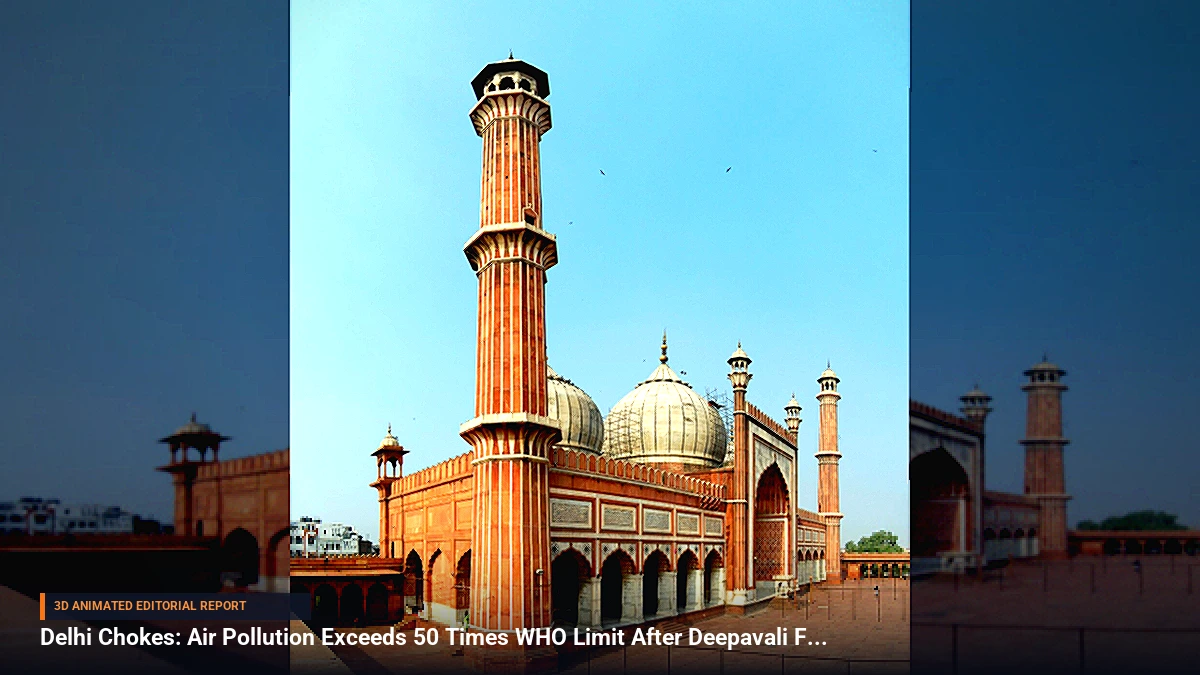
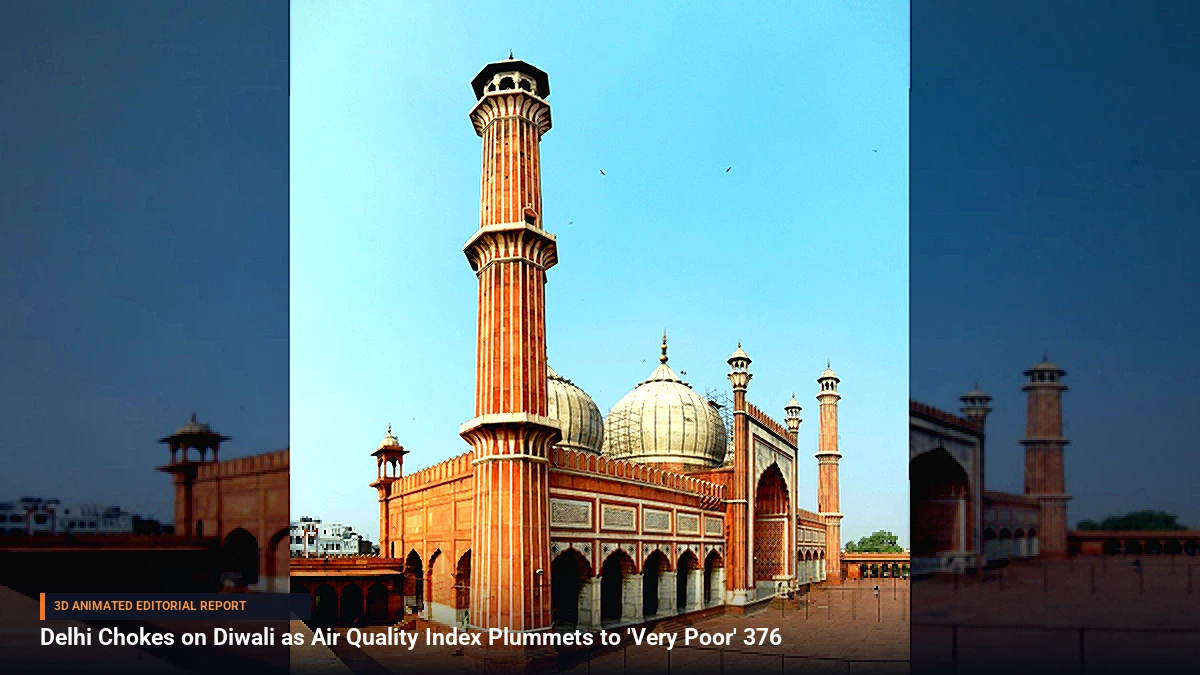
Delhi residents woke up to an impenetrable blanket of toxic smog following celebrations for the Deepavali festival, as millions across the National Capital Region (NCR) defied a long-standing government ban on the sale and bursting of firecrackers. Air pollution levels soared past critical thresholds, registering at more than 50 times the recommended safe limit set by the World Health Organization (WHO) in several localized pockets of the metropolis.
Monitoring networks tracked a sharp escalation in hazardous particulate matter as evening celebrations peaked. Delhi's overall Air Quality Index (AQI) dangerously neared the 400 threshold on Diwali night, crossing into the "severe" category across no fewer than 20 distinct monitoring stations throughout the urban sprawl. Environmental analysts and meteorological observers confirmed that this event constituted the most polluted Deepavali eve recorded in the Indian capital over the past ten years, underscoring a persistent failure in administrative deterrence.
Background & Key Context
For years, authorities in the National Capital Region have implemented sweeping bans on firecrackers ahead of the winter festive season, aiming to mitigate a well-documented public health crisis. Delhi routinely ranks among the world's most polluted major cities during the winter months, when falling temperatures, stagnant wind speeds, and regional stubble burning combine to trap atmospheric pollutants.
Despite the legal restrictions enacted by courts and executive bodies, enforcement remains an uphill battle. Cultural attachments to traditional celebrations, coupled with decentralized underground markets supplying pyrotechnics, consistently undermine regulatory intent. The widening gap between policy formulation and grassroots compliance has turned seasonal festivities into recurring environmental emergencies, placing immense strain on urban healthcare infrastructure.
Key Takeaways
- Alarming Spikes: Pollution concentrations exceeded 50 times the WHO safe limits in multiple neighborhoods across Delhi.
- Severe AQI: The citywide Air Quality Index neared 400 on Diwali night, hitting "severe" levels at 20 separate monitoring locations.
- Decadal High: Environmental data confirmed this year's Deepavali eve was the most polluted observed in the capital in ten years.
- Regulatory Defiance: Widespread disregard for the official firecracker ban highlighted deep-seated enforcement challenges.
- Public Health Threat: The toxic smog exposed millions of residents, particularly children and the elderly, to hazardous particulate matter.
Impact, Analysis & Global/National Reactions
The immediate fallout from the festive smog has reignited intense debates regarding urban environmental governance and public health protection in India. Medical professionals across Delhi hospitals reported an immediate surge in patients presenting with acute respiratory distress, stinging eyes, and cardiovascular complications.
Critics of current enforcement strategies argue that judicial bans alone are insufficient without proactive community engagement and targeted economic interventions to curb illicit supply chains. Conversely, enforcement agencies face intense public scrutiny for failing to intercept the massive influx of firecrackers into the city prior to the festival date. Public health advocates continue to stress that until administrative accountability matches the severity of the crisis, residents will bear the brunt of chronic environmental degradation.
What's Next: Looking Ahead
As the winter season deepens, Delhi faces an extended period of high pollution risk, with meteorological forecasts predicting unfavorable wind patterns that could trap existing smog over the plains for weeks. Municipal authorities are under mounting pressure to introduce emergency measures, including potential restrictions on vehicular traffic, halting construction activities, and deploying smog guns.
Long-term, policymakers must reassess regional cooperation frameworks—particularly concerning agricultural stubble burning in neighboring states—while overhauling local compliance mechanisms to ensure that environmental regulations are effectively enforced well before the next festive cycle begins.
Be the first to comment
Start a useful conversation around this story.