
What Happened: The Core Developments
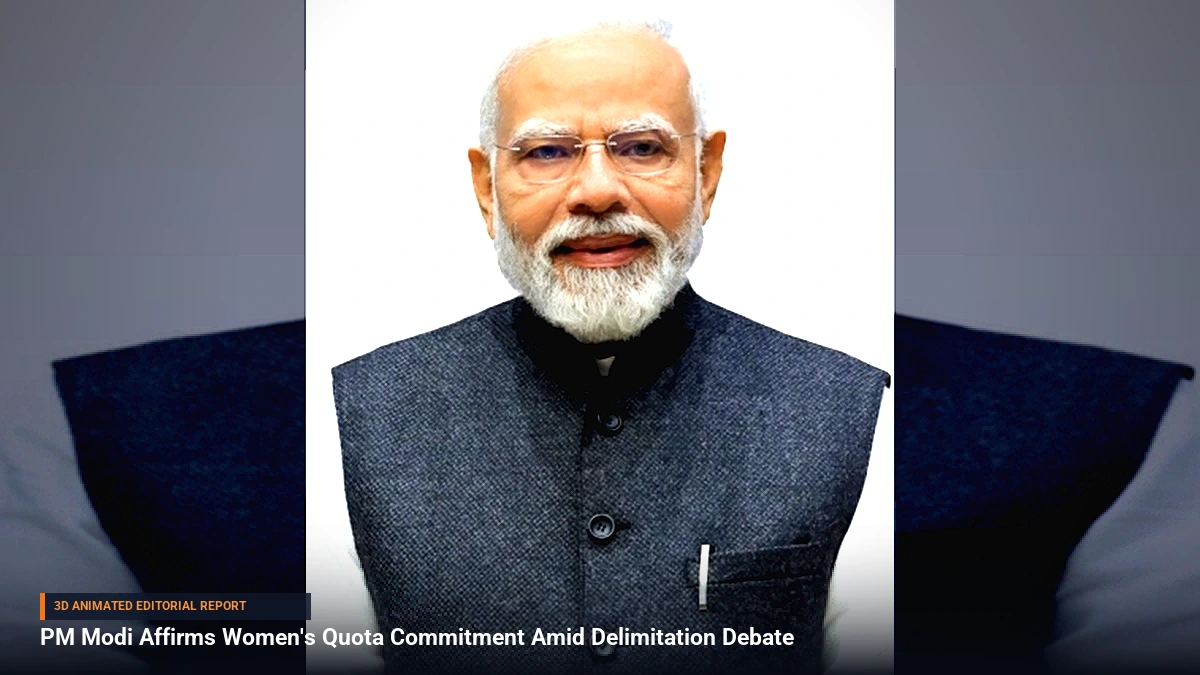
Prime Minister Narendra Modi has addressed the nation regarding the intersection of women's empowerment and upcoming legislative changes, asserting that nari shakti (women's power) inevitably suffers when narrow party interests take precedence. His remarks came amid an atmosphere of intense political maneuvering and debate surrounding the proposed parliamentary delimitation process and the operationalization of the Women's Quota Bill.
The discussions have triggered widespread responses across the Indian political landscape. Prominent opposition figures, including Congress leader Rahul Gandhi and Tamil Nadu Chief Minister M.K. Stalin, along with regional leaders like K.T. Rama Rao (KTR), have engaged in public dialogues and debates regarding the mechanics and implications of the delimitation exercise. Concurrently, a coalition of eminent citizens, activists, and former bureaucrats has formally urged the central government to place the delimitation bill in the public domain for a minimum 30-day public consultation period to ensure transparency and inclusivity.
Background & Key Context
The ongoing legislative discourse brings together two monumental policy areas: the restructuring of parliamentary constituencies through delimitation and the historic implementation of the Women's Reservation Bill. Delimitation is designed to redraw the boundaries of Lok Sabha and state assembly constituencies to reflect population shifts over decades. However, the process has historically raised concerns among various regional factions—particularly in southern states—over potential shifts in political representation and demographic weight.
Simultaneously, the Women's Reservation Bill aims to reserve one-third of all seats in the Lok Sabha and state legislative assemblies for women. While the legislation has enjoyed broad theoretical consensus, its rollout remains inextricably linked to the completion of the census and the subsequent delimitation exercise, creating a high-stakes legislative nexus that has galvanized civil society and political parties alike.
Key Takeaways
- Leadership Stance: Prime Minister Modi emphasized that prioritizing partisan agendas directly undermines women's political empowerment.
- Quota Commitment: The administration has reiterated its solemn promise to fully operationalize the Women's Quota Bill.
- Civil Society Demands: A collective of 34 eminent citizens, activists, and former bureaucrats have petitioned the Centre for a mandatory 30-day public consultation window on the delimitation bill.
- Political Friction: Diverse viewpoints from opposition leaders such as Rahul Gandhi, M.K. Stalin, and KTR highlight underlying regional and partisan tensions regarding the delimitation framework.
- Legislative Interconnection: The practical implementation of women's reservation remains tied to the broader, highly debated delimitation schedule.
Impact, Analysis & Global/National Reactions
The convergence of gender representation and constituency delimitation has exposed deep fault lines within India's federal structure. While the ruling administration frames its push as an uncompromised dedication to gender justice, critics and regional stakeholders express apprehension regarding how constituency restructuring might alter the federal balance of power.
Civil society interventions, spearheaded by retired bureaucrats and prominent activists, underscore a growing public demand for institutional transparency. By calling for a transparent review period, these groups aim to mitigate regional anxieties and foster a more inclusive legislative drafting process. Meanwhile, responses from regional leaders vary significantly—some caution against rushed timelines that could disadvantage specific geographic zones, while others question the tactical opposition mounted by certain national parties.
What's Next: Looking Ahead
As Parliament prepares for upcoming special sessions and legislative debates, all eyes will be on the executive branch to see whether it accommodates demands for extended public consultations. Stakeholders, political analysts, and regional entities will closely monitor the precise text and provisions of the upcoming bills to evaluate their long-term impact on federal governance, demographic representation, and the historic empowerment of women in Indian democracy.




Be the first to comment
Start a useful conversation around this story.