
What Happened: The Core Developments
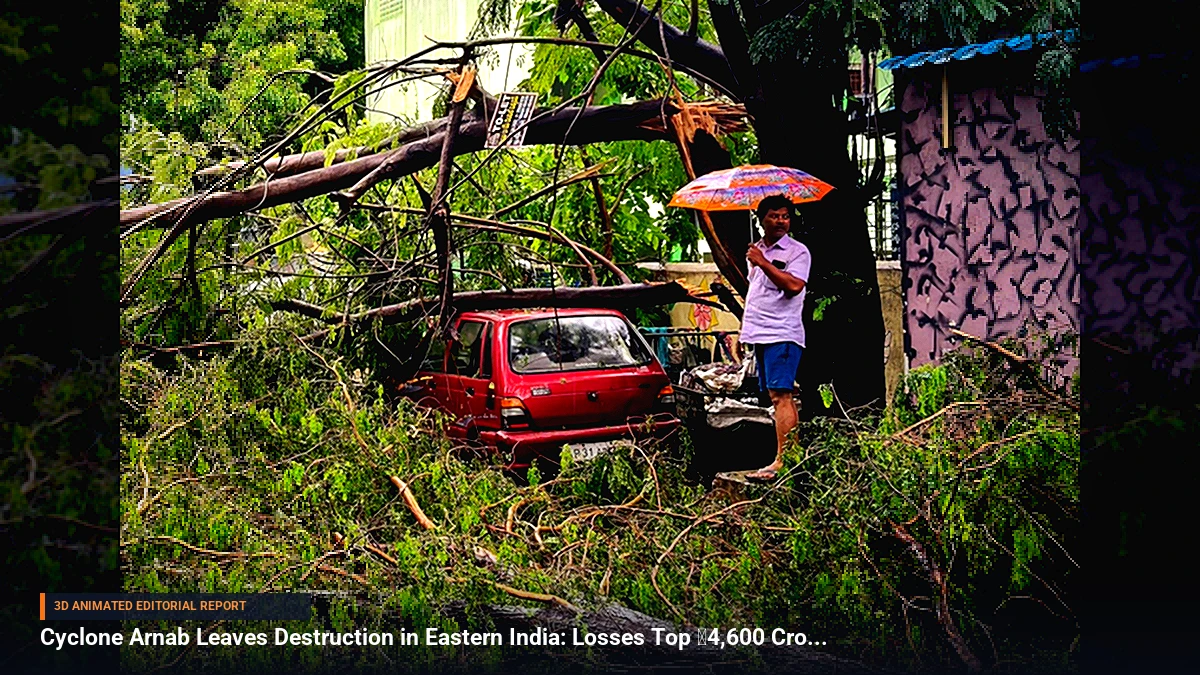
Recent extreme weather conditions brought by Cyclone Arnab have left a significant mark across multiple regions, impacting infrastructure, transportation, and human life. The severe storm system resulted in five reported fatalities in Andhra Pradesh, where powerful winds wreaked havoc by uprooting thousands of utility poles and mature trees. The widespread damage to power grids and roadways has severely tested local disaster response teams.
Beyond immediate infrastructural collapse, the cyclone heavily impacted regional transit. Rail networks suffered major disruptions, forcing authorities to cancel nine major train services, including the prominent Vande Bharat Express. Commuters faced substantial delays and cancellations as railway engineers worked to clear tracks blocked by debris and fallen lines.
Background & Key Context
Severe cyclonic storms in the region historically trigger cascading atmospheric and socio-economic effects. As disaster management authorities mobilized to restore power and clear debris in Andhra Pradesh, secondary weather phenomena began taking shape. Meteorological monitors have detected a new low-pressure area forming in the Andaman Sea, raising concerns about potential subsequent weather disturbances that could once again target the Andhra Pradesh coastline.
Simultaneously, inland regions felt the systemic reach of the storm. The Jharkhand government announced comprehensive plans to assess agricultural losses, promising financial compensation to farmers whose crops were severely battered by unseasonal winds and heavy downpours associated with Cyclone Arnab's outer bands.
Key Takeaways
- Casualties and Infrastructure: Cyclone Arnab caused five deaths in Andhra Pradesh alongside the widespread uprooting of thousands of trees and electricity poles.
- Transportation Gridlock: Rail operations faced severe setbacks, leading to the cancellation of nine trains, notably including the high-speed Vande Bharat Express.
- Agricultural Relief: The Jharkhand administration initiated crop damage assessments to provide timely financial relief to affected farming communities.
- New Weather Threat: A nascent low-pressure system has emerged in the Andaman Sea, prompting meteorologists to closely monitor potential impacts on Andhra Pradesh.
- Misinformation Spread: Fact-checkers flagged an archived, unrelated video of an Odisha tornado that was maliciously circulated on social media as live footage of Cyclone Arnab.
Impact, Analysis & Global/National Reactions
The multifaceted fallout of Cyclone Arnab underscores the vulnerability of modern supply chains, public transit, and agrarian economies to extreme weather events. The cancellation of flagship rail routes like the Vande Bharat Express highlights the immediate economic toll on passenger transit and logistics. Meanwhile, the rapid spread of misattributed social media content—such as the recycled Odisha tornado video—demonstrates the recurring challenge of digital misinformation during natural disasters, complicating crisis communication for official agencies.
State administrations have faced immense pressure to streamline relief distribution. Agricultural economists note that timely compensation from state governments like Jharkhand is vital to prevent long-term rural distress and food security complications following unseasonal crop failures.
What's Next: Looking Ahead
Recovery operations remain ongoing in the worst-hit districts of Andhra Pradesh, where electrical grid restoration and debris clearance are top priorities for municipal workers. Authorities are also keeping a vigilant eye on the developing low-pressure system in the Andaman Sea. Depending on its intensification trajectory over the coming days, disaster response forces may issue fresh coastal advisories and pre-emptively deploy rescue teams to safeguard vulnerable communities along the eastern seaboard.





Be the first to comment
Start a useful conversation around this story.