

What Happened: The Core Developments
Cyclone Arnab has inflicted severe humanitarian and infrastructural challenges across eastern India, leaving a trail of devastation marked by torrential rainfall, swollen rivers, and destructive mudslides. The hardest-hit regions experienced unprecedented weather disruptions that severely compromised local transit networks and residential safety.
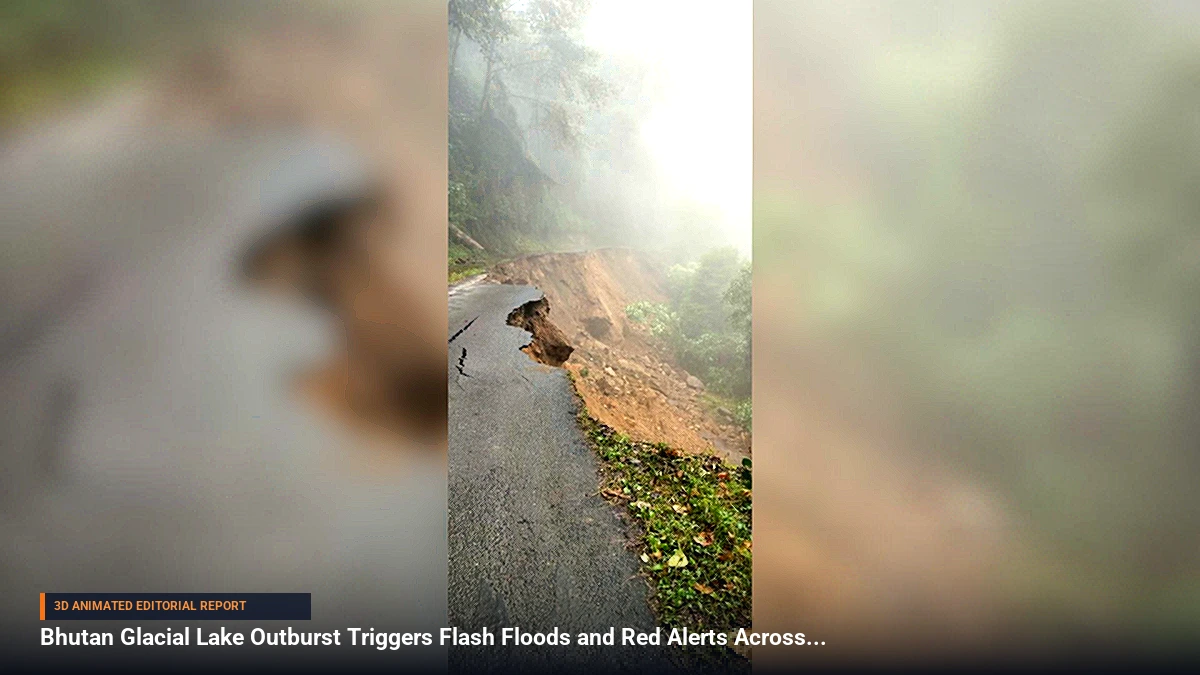
In Odisha's rugged Kandhamal district, a devastating landslide triggered by incessant downpours claimed three lives, tragically including an infant. State authorities moved swiftly to launch immediate search and rescue operations. According to Odisha's Panchayati Raj Minister Rabi Narayan Naik, local fire services teams managed to pull two survivors from the debris, administering urgent medical assistance. Meanwhile, in the Ganjam district, ongoing flooding and blocked roadways forced authorities to execute emergency relief air-drops to supply essential provisions to isolated communities.
Transportation infrastructure also bore the brunt of the tempest. Rail transit faced severe setbacks, notably along the vital Ichchapuram–Jhadupudi section, where tracks were compromised due to waterlogging and debris accumulation, stranding commuters and delaying freight operations.
Background & Key Context
Cyclonic storms originating in the Bay of Bengal during the post-monsoon transitional period routinely present severe threats to India's eastern coastline, particularly affecting states like Odisha, Andhra Pradesh, and parts of West Bengal. Cyclone Arnab followed a classic yet ferocious trajectory, gathering immense moisture before making landfall and marching inland.
As the storm progressed westward, it encountered land-based dissipation factors, eventually weakening into a remnant low-pressure system over north Chhattisgarh. However, the atmospheric turbulence left in its wake has maintained widespread weather anomalies, bringing heavy rains to surrounding states and pushing administrative machinery into continuous high alert.
Key Takeaways
- Fatal Landslide: A tragic mudslide in Odisha’s Kandhamal district resulted in three fatalities, including an infant.
- Successful Rescues: State fire services personnel successfully rescued two individuals from the Kandhamal landslide site.
- Air-Dropped Relief: Emergency food and essential supplies were airlifted to isolated populations in Odisha's Ganjam district.
- Transport Disruption: Key railway routes, specifically the Ichchapuram-Jhadupudi section, faced major delays and cancellations.
- System Dissipation: Cyclone Arnab has steadily weakened as it moved over northern Chhattisgarh.
- New Threat: Meteorological agencies have identified a nascent weather system brewing over the Bay of Bengal, threatening a fresh depression.
Impact, Analysis & Global/National Reactions
Governments at both state and central levels mobilized rapidly to mitigate the fallout from Cyclone Arnab. Administrative preparedness and proactive disaster management protocols—such as pre-positioning rescue squads and rapid aerial reconnaissance—played a critical role in minimizing further loss of life.
Minister Rabi Narayan Naik commended the bravery and swift response of the state's fire services units, emphasizing that continuous monitoring of vulnerable slope areas remains a top priority. Regional disaster management authorities continue to assess structural damages to roads, bridges, and agricultural lands, promising expedited financial relief and rehabilitation packages for affected families.
What's Next: Looking Ahead
While rescue and restoration works continue on the ground, meteorological departments are shifting their focus back to maritime tracking. A new weather system currently taking shape over the Bay of Bengal is being closely monitored by forecasters. Current atmospheric models project that this developing disturbance could intensify into a formal depression by October 31, 2026.
Authorities across coastal belts are maintaining precautionary stances, advising fishermen to stay away from deep-sea operations and ensuring that disaster response teams remain on standby to counter any prospective secondary weather crisis.




Be the first to comment
Start a useful conversation around this story.