
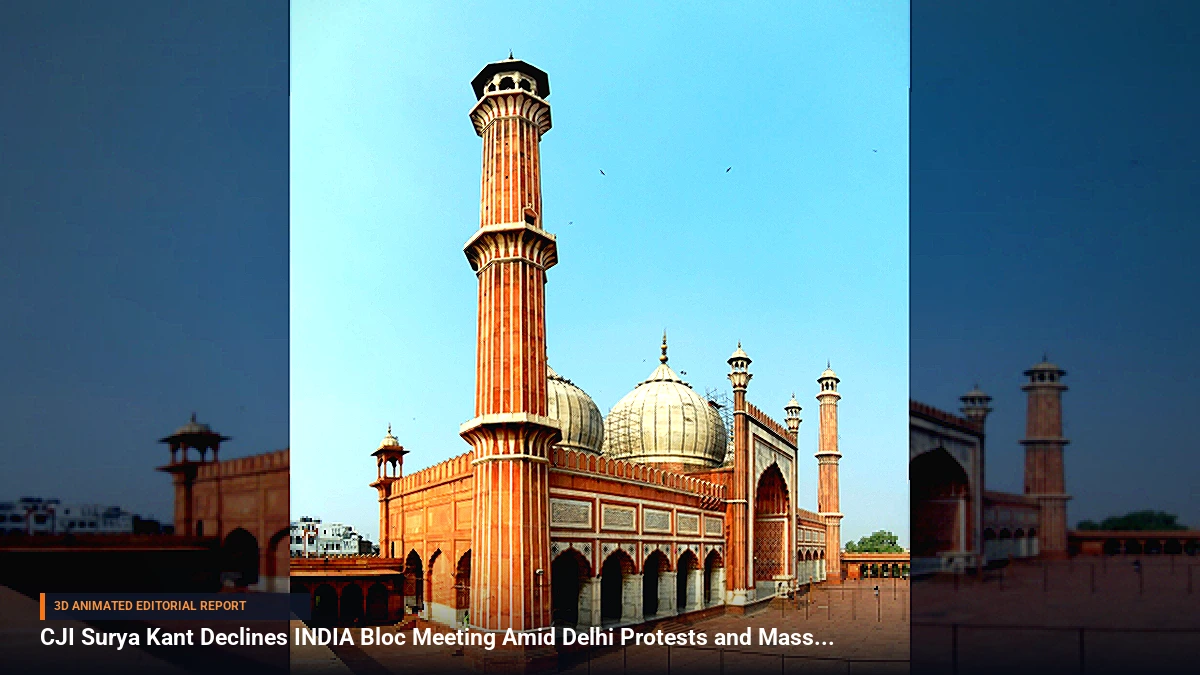
What Happened: The Core Developments
Tensions reached a boiling point in New Delhi as Chief Justice of India (CJI) Surya Kant declined a formal meeting requested by opposition INDIA bloc leaders on October 12. The delegation sought the audience to discuss raging controversies surrounding the election commission and electoral integrity mechanisms.
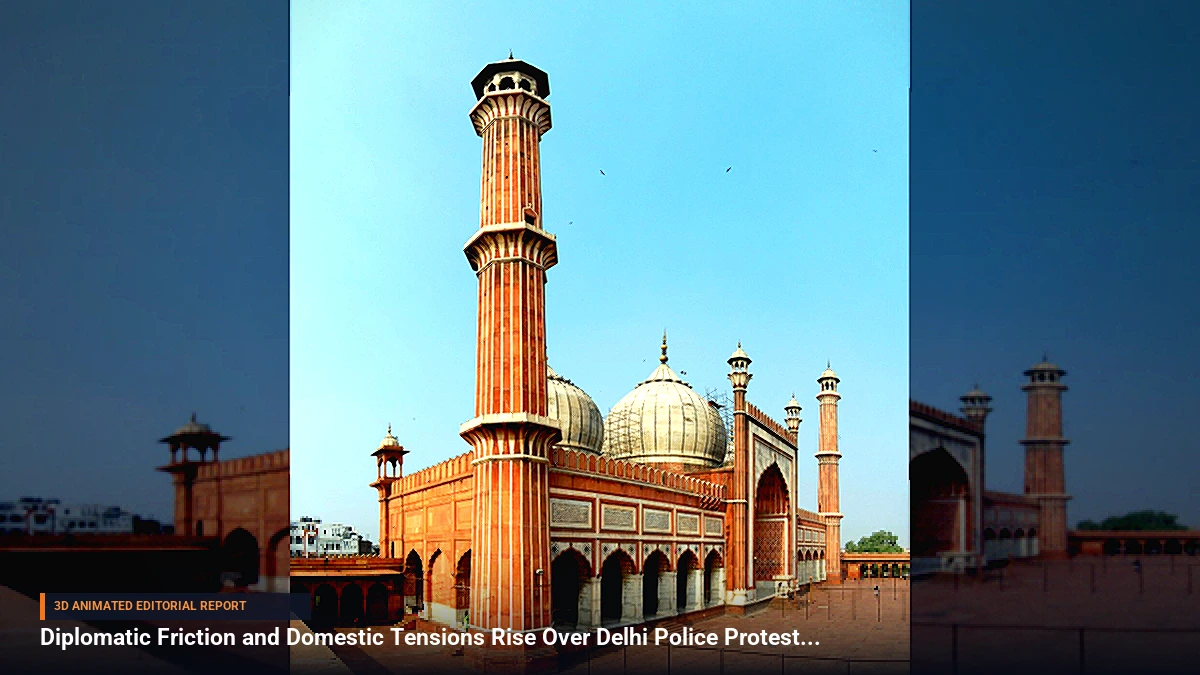
Simultaneously, the national capital witnessed severe civil unrest. Delhi Police executed a widespread crackdown on protesters, detaining dozens of demonstrators—including women and prominent political figures—past 6 p.m. at vital transit hubs like Rajiv Chowk. Opposition leaders, including Lok Sabha Leader of Opposition Rahul Gandhi, heavily condemned the post-sundown detentions as direct violations of Supreme Court protocols.
Background & Key Context
The friction stems from ongoing public demonstrations demanding the ouster of the Chief Election Commissioner (CEC) over alleged irregularities. Opposition parties and civil society groups have intensified their agitation, accusing authorities of suppressing dissenting voices.
In response to the mounting public pressure, opposition leaders planned a high-profile march toward the Supreme Court. However, the administration deployed heavy police barricades and imposed strict movement curbs across central Delhi, leading to chaotic scenes, clashes, and allegations of police brutality.
Key Takeaways
- CJI's Refusal: Chief Justice Surya Kant rejected the political delegation's request, citing institutional boundaries and stating that the judiciary addresses grievances through formal legal petitions rather than administrative meetings.
- Mass Detentions: Delhi Police detained numerous protesters, journalists, and political figures, with specific controversy arising over the detention of women past 6 p.m.
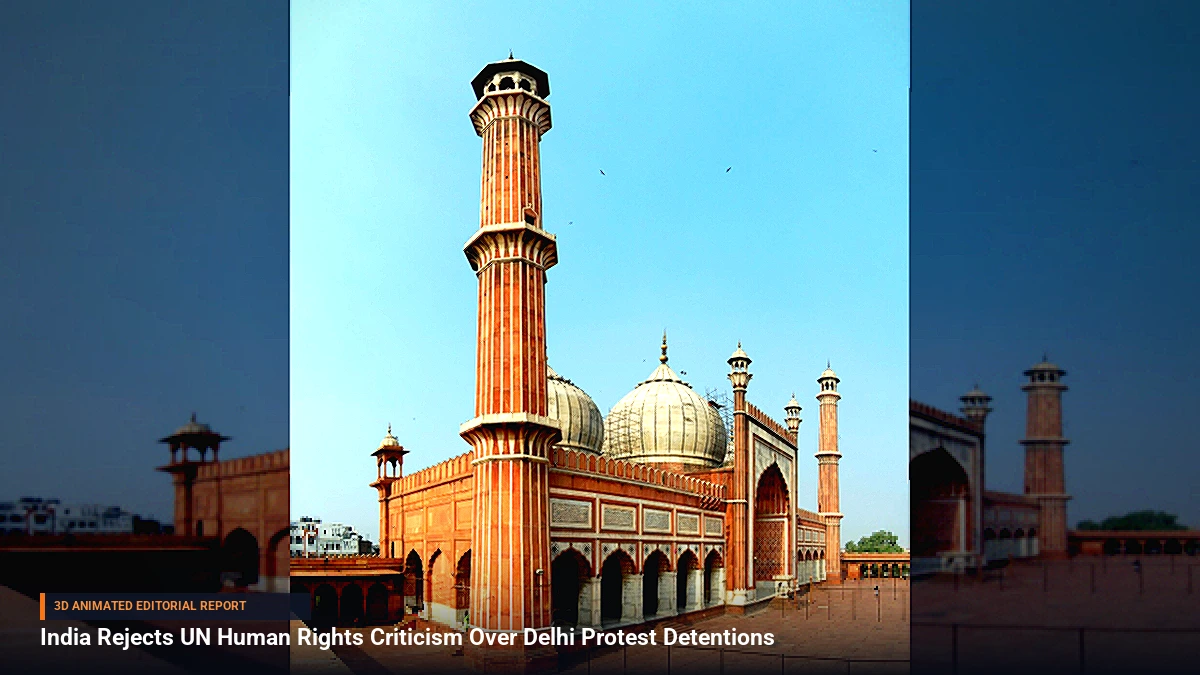
- International Reaction: The United Nations Human Rights Office expressed formal concern over the scale of the detentions, prompting immediate pushback from New Delhi.
- Domestic Backlash: Senior opposition figures slammed the police crackdown as authoritarian, announcing plans to escalate protests and seek independent judicial probes into police conduct.
Impact, Analysis & Global/National Reactions
The standoff has triggered widespread national debate over the separation of powers and the right to peaceful assembly. Defending his refusal to meet the political delegation, CJI Kant reportedly emphasized that the judiciary's mandate lies in adjudicating petitions through proper judicial review rather than engaging in administrative or political parleys.
Meanwhile, the United Nations Human Rights Spokesperson's expression of concern regarding the mass detentions drew sharp criticism from the Indian government, which dismissed the remarks as "unwarranted interference" in domestic affairs. Domestic critics, however, argue that the police crackdown reflects a shrinking civic space and a heavy-handed approach to democratic dissent.
What's Next: Looking Ahead
As the INDIA bloc moves forward with its planned legal and public actions, attention shifts back to the Supreme Court, where upcoming hearings on election commission transparency and police accountability petitions are expected to take center stage. Stakeholders across the political spectrum will closely watch how the judiciary balances institutional decorum with mounting demands for oversight.
Be the first to comment
Start a useful conversation around this story.