
What Happened: The Core Developments
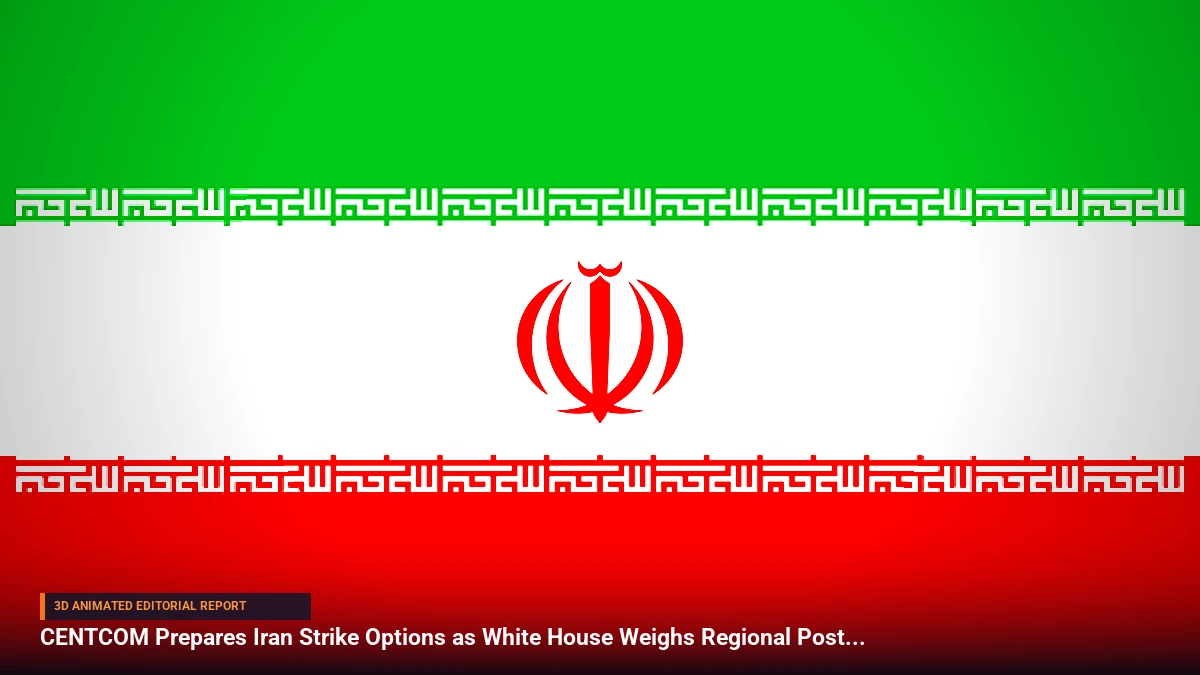
Tensions in the Middle East have escalated following reports that United States Central Command (CENTCOM) has drafted comprehensive military options for potential strikes against Iran. While military planners have refined these tactical choices, the political leadership has projected a mixed narrative regarding immediate execution. President Donald Trump publicly ruled out carrying out military strikes on Sunday, dismissing immediate escalation while simultaneously maintaining a posture of strategic ambiguity.
Adding to the kinetic and logistical signaling, the United States has deployed additional warships to the Middle East. This naval reinforcement significantly bolsters the US military footprint in the region, providing commanders with enhanced deterrence and projection capabilities should the political calculus shift.
Background & Key Context
The latest round of friction revives longstanding strategic friction between Washington and Tehran. CENTCOM routinely maintains updated contingency options for major regional adversaries, yet the current public airing of these plans coincides with heightened naval movements and intense diplomatic signaling. Previous cycles of escalation have often relied on a combination of visible force posture adjustments and verbal warnings, creating an unpredictable environment where tactical readiness runs parallel to diplomatic signaling.
Tehran has responded to the renewed US-Israeli military posture with characteristic defiance. Iranian officials asserted that any renewed attacks "will achieve no different outcome" than past confrontations, publicly claiming that US strategic objectives in the region have been derailed.
Key Takeaways
- CENTCOM Action: United States Central Command has drawn up formalized plans for potential military strikes against Iranian targets.
- White House Stance: President Donald Trump publicly ruled out immediate strikes "today" or on Sunday, though he has avoided closing off future options.
- Naval Posture: The US military has reinforced its regional presence by deploying additional warships to the Middle East.
- Tehran's Response: Iranian leadership dismissed the credibility of renewed US-Israeli threats, stating they would fail to yield new strategic outcomes.
- Strategic Ambiguity: The juxtaposition of active military planning and immediate diplomatic denials highlights a classic deterrence strategy.
Impact, Analysis & Global/National Reactions
Analysts note that the preparation of CENTCOM strike options does not automatically guarantee imminent military engagement. Instead, military planners routinely draft extensive contingencies to provide the commander-in-chief with a wide spectrum of calibrated responses. By coupling these blueprints with visible naval deployments, Washington aims to signal resolve and deter perceived Iranian aggression.
However, regional watchers caution that maintaining such a high-readiness posture increases the risk of miscalculation. Tehran's dismissal of the threats suggests that economic and psychological pressure from Washington continues to meet institutional resistance rather than policy compliance. International observers are closely monitoring whether these maneuvers are designed purely for deterrence or if they lay the groundwork for a broader kinetic confrontation.
What's Next: Looking Ahead
As the US administration balances domestic political considerations with intense Middle Eastern dynamics, all eyes remain on Washington's shifting red lines. Observers will monitor subsequent naval movements, intelligence assessments, and official rhetoric from both the White House and the Pentagon to determine if the CENTCOM plans transition from contingency folders into active operational orders.





Be the first to comment
Start a useful conversation around this story.