
What Happened: The Core Developments
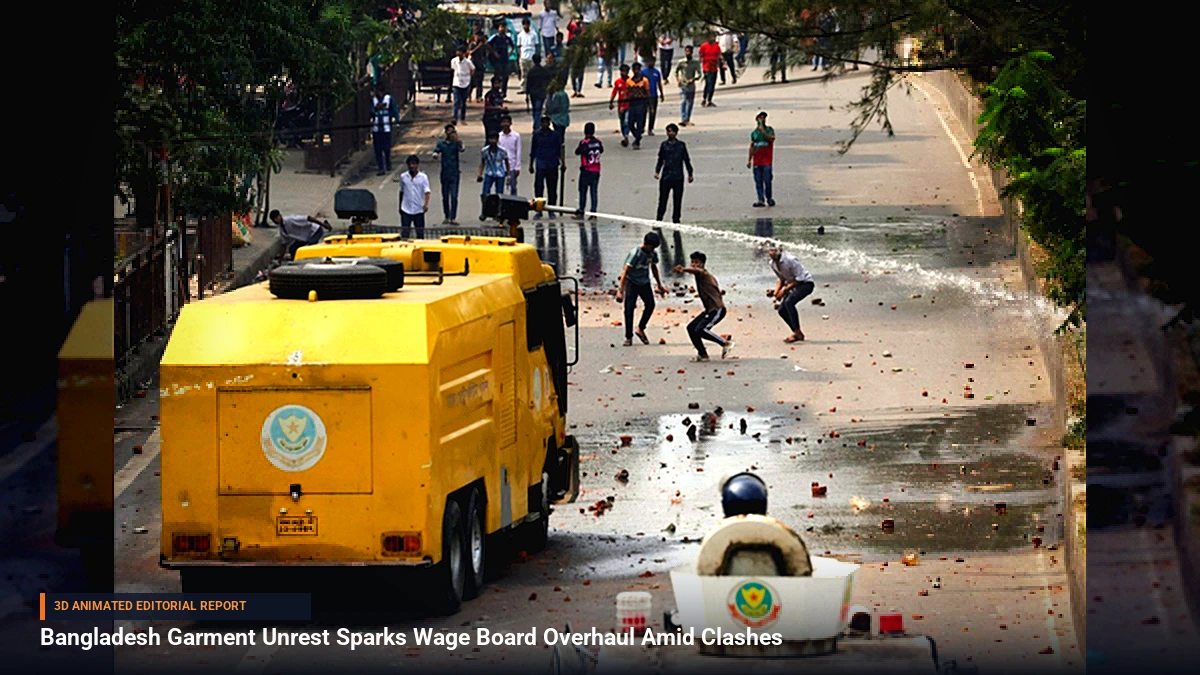
A wave of intense labor unrest has swept through major garment manufacturing hubs in Bangladesh, as thousands of textile and apparel workers took to the streets to demand a substantial wage hike. The demonstrations quickly escalated into violent clashes with security forces, particularly in areas surrounding the capital city of Dhaka. Protesting employees blocked critical highways, disrupting national logistics, and reportedly torched a local police box as frustrations over stagnant compensation boiled over.
The widespread disruption forced numerous factories to temporarily halt operations, sending ripples through the supply chains of international brands that rely heavily on the South Asian nation's cost-effective manufacturing sector. Law enforcement personnel deployed tear gas and baton charges to disperse crowds, while workers maintained that their current wages are entirely insufficient to cope with soaring inflation and the rising cost of living.
Background & Key Context
Bangladesh stands as one of the world's largest exporters of ready-made garments, supplying global fashion giants and major Western retailers. The multi-billion-dollar industry forms the backbone of the country's national economy, accounting for the vast majority of its export earnings and employing millions of workers—predominantly women.
Despite its vital economic contribution, the sector has a long history of volatile industrial relations. Minimum wage structures are periodically revised through government-appointed boards, but the negotiation process frequently lags behind hyper-inflationary pressures. Previous wage cycles have also been marred by protracted labor disputes, highlighting a deep structural tension between factory owners seeking to maintain profit margins and an underpaid workforce demanding livable wages.
Key Takeaways
- Massive Industrial Unrest: Garment workers staged widespread protests and highway blockades across major manufacturing hubs in Bangladesh.
- Violent Clashes: Demonstrations turned confrontational, resulting in clashes with police forces and the destruction of local security infrastructure.
- Supply Chain Disruptions: The ongoing protests forced numerous factories to shut down operations temporarily, impacting production schedules.
- Government Intervention: In direct response to the escalating crisis, the Bangladeshi administration announced the formation of a dedicated wage board.
- Economic Stakes: The crisis underscores the ongoing vulnerability of Bangladesh's multi-billion-dollar apparel export economy to labor friction.
Impact, Analysis & Global/National Reactions
The sudden eruption of labor friction has placed immense pressure on both factory owners and government regulators. Industry analysts point out that while rapid government intervention through a new wage board signals a willingness to appease protestors, temporary administrative fixes often fail to resolve deep-seated structural inequities.
Global buyers and international human rights advocates are closely monitoring the situation. Stakeholders emphasize that sustainable labor practices and fair compensation structures are essential not only for the welfare of the workforce but also for the long-term reputation and stability of Bangladesh's export market. Failure to reach a lasting compromise risks permanent reputational damage among western consumers increasingly demanding ethical supply chains.
What's Next: Looking Ahead
All eyes are now turned toward the newly established wage board as it prepares to deliberate on revised compensation frameworks. The upcoming weeks will prove critical as representatives from labor unions, factory owners, and state authorities negotiate proposed salary figures.
Market watchers will be tracking whether the new board can deliver a consensus package that satisfies workers' immediate financial survival needs without triggering widespread factory closures. In the interim, heightened security measures remain in place across key industrial zones to prevent further escalation while negotiations unfold.


Be the first to comment
Start a useful conversation around this story.