
What Happened: The Core Developments
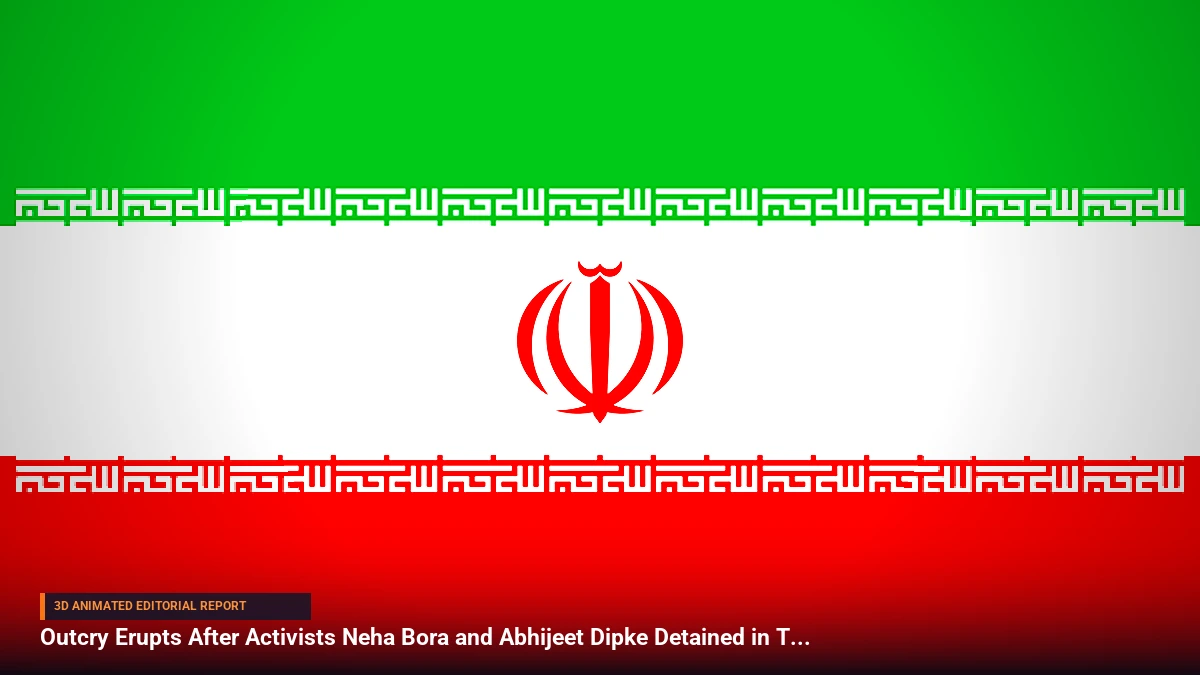
A peaceful public demonstration designed to celebrate and wave the national flag quickly escalated into a massive security standoff, resulting in the mass detention of roughly 150 participants. Among those taken into custody by law enforcement were notable student and civil rights activists Neha Bora and Abhijeet Dipke.
The confrontations unfolded during the CJP-backed 'Lehra Do Tiranga' protest march, where demonstrators gathered to voice various grievances and demand institutional accountability. Instead of a standard public procession, the event saw heavy police intervention. Student organizations, including the All India Students' Association (AISA), swiftly raised alarms, reporting that figures like Neha Bora were forcibly intercepted and, in certain instances, taken to undisclosed locations without immediate clarity on their formal legal status or explicit charges.
Background & Key Context
The tensions surrounding the Tiranga march point to a growing friction point over public assembly, dissent, and patriotic symbols within the nation's political landscape. Marches incorporating the national flag—the Tiranga—are historically viewed as protected, unifying civic expressions. However, authorities increasingly deploy heavy-handed crowd-control measures, preemptive detentions, and strict prohibitory orders under the guise of maintaining public order and preventing unrest.
Prior to the march, organizers had faced bureaucratic hurdles, with reports indicating multiple notices served to key figures. Despite warnings and heavy police deployment, participants pressed forward, arguing that expressing dissent under the banner of the national flag is a fundamental democratic right that should not be criminalized by the state.
Key Takeaways
- Mass Detentions: Approximately 150 protesters, organizers, and civil rights advocates were detained during the widespread unrest.
- High-Profile Targets: Prominent youth and student leaders Neha Bora and Abhijeet Dipke were explicitly targeted and removed by law enforcement.
- Opposition Backlash: Senior political figures, including Arvind Kejriwal and Mamata Banerjee, publicly condemned the detentions on social media and through official statements.
- Thematic Irony: Opposition leaders heavily criticized the state's logic, questioning how displaying the national flag within one's own country could be treated as a criminal offense.
- Lack of Transparency: Civil rights groups like AISA raised serious concerns regarding procedural violations, noting that some detainees were initially transferred to undisclosed locations.
Impact, Analysis & Global/National Reactions
The sweeping detentions have galvanized the political opposition, transforming a localized activist march into a national debate over freedom of expression and police overreach. Prominent regional and national leaders took to social media platforms to express their outrage.
Arvind Kejriwal sharply inverted common political rhetoric, challenging the ruling administration's priorities. He questioned whether citizens were expected to wave the national flag in neighboring countries instead of their own homeland, asking pointedly: "If we don't wave the Tiranga in our own country, will we in Pakistan?"
Similarly, West Bengal Chief Minister Mamata Banerjee and other opposition heavyweights rallied behind Neha Bora and Abhijeet Dipke, framing the detentions as an authoritarian clampdown on peaceful dissent. Analysts suggest that suppressing demonstrations that utilize patriotic imagery backfires politically on the administration, providing the opposition with a potent narrative concerning democratic erosion and civil liberties.
What's Next: Looking Ahead
As civil rights organizations and legal aid teams mobilize to secure the unconditional release of all 150 detained individuals, public pressure continues to mount on local law enforcement. Legal challenges regarding the legality of the preventive detentions are expected to be filed in coming days.
Furthermore, organizers have vowed to continue their advocacy efforts, planning subsequent demonstrations to demand accountability from administrative bodies, transparency regarding the whereabouts of detained activists, and a formal review of standard operating procedures governing public assemblies and patriotic marches.

Be the first to comment
Start a useful conversation around this story.