
What Happened: The Core Developments
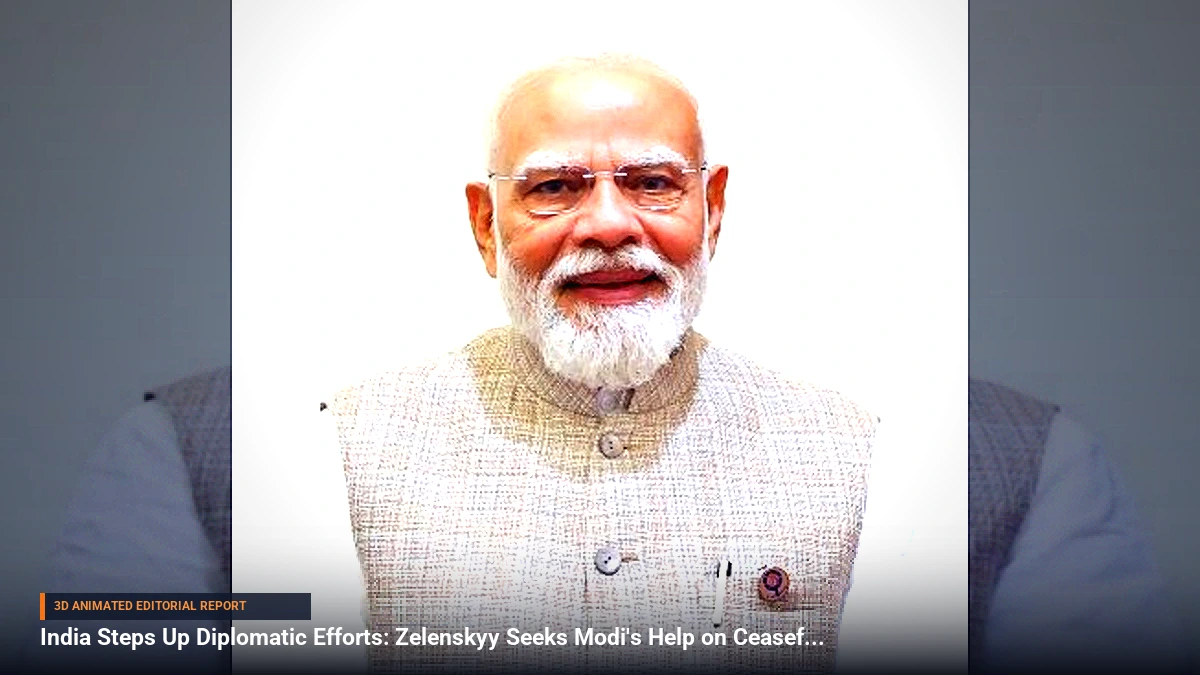
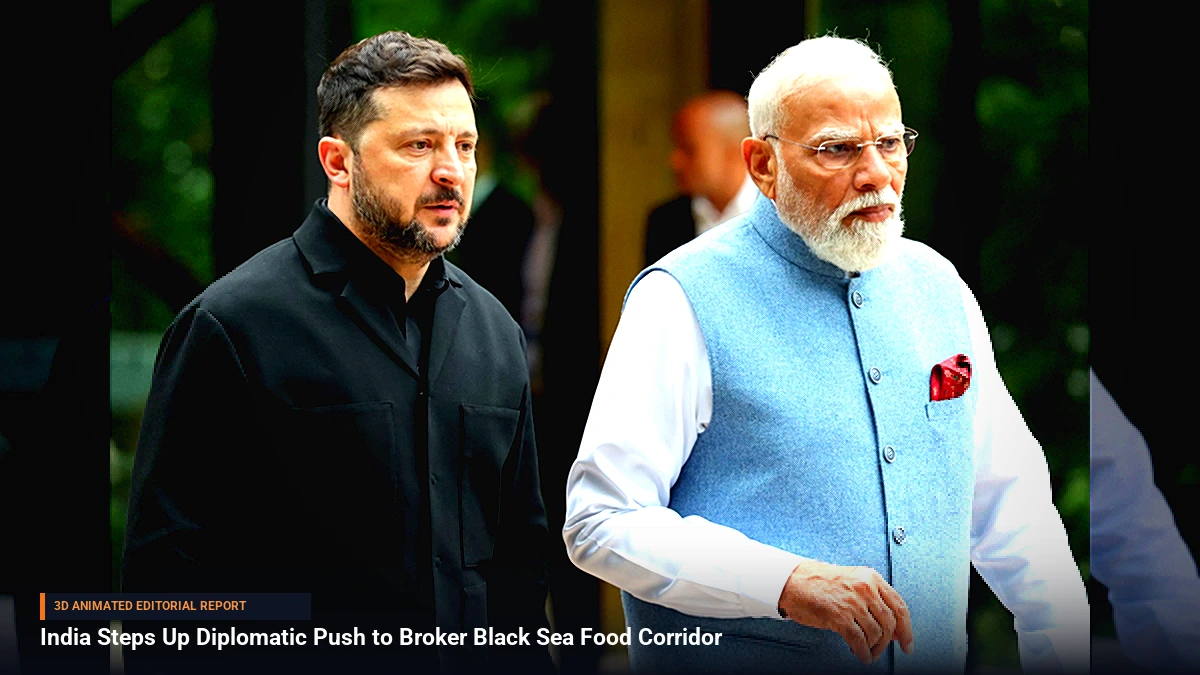
In a high-stakes diplomatic exchange, Ukrainian President Volodymyr Zelenskyy reached out to Indian Prime Minister Narendra Modi to enlist New Delhi’s assistance in facilitating a ceasefire ahead of upcoming international peace talks. The dialogue underscores a shifting dynamic in global diplomacy, wherein traditional non-aligned nations are being called upon to bridge deep-seated geopolitical divides. Following their conversation, President Zelenskyy stated that India is prepared to help set up a vital food corridor through the Black Sea, aiming to safeguard global agricultural supplies traversing the contested maritime region.
The initiative comes at a critical juncture as international stakeholders look for viable pathways to de-escalate hostilities. India, which has maintained a nuanced diplomatic stance balancing traditional ties with Moscow and growing strategic partnerships with Western nations, finds itself uniquely positioned to explore pragmatic solutions. However, while the willingness to mediate is evident, experts note that actualizing a Black Sea corridor requires intricate negotiations involving shipping security guarantees and formal cooperation from Moscow—elements that remain under heavy scrutiny.
Background & Key Context
India has consistently advocated for dialogue and diplomacy since the onset of the Russia-Ukraine conflict, resisting pressure from Western capitals to explicitly condemn Moscow while repeatedly emphasizing humanitarian concerns and the inviolability of international law. Prime Minister Modi has reiterated New Delhi's steadfast support for a peaceful resolution, keeping channels open with both Russian leadership and Ukrainian authorities.
The security of the Black Sea shipping lanes has remained a persistent global concern since the disruption of agricultural exports from the region, which acts as a major breadbasket for developing economies across Africa and Asia. Previous grain deals faced immense friction, highlighting the urgent need for neutral intermediaries capable of navigating the complex security landscape. New Delhi’s emerging role as a potential broker for a food corridor reflects its broader diplomatic ambition to protect global economic stability and food security.
Key Takeaways
- Ceasefire Appeal: Ukrainian President Volodymyr Zelenskyy formally sought Prime Minister Narendra Modi's assistance regarding a ceasefire ahead of scheduled peace talks.
- Black Sea Food Corridor: Following the high-level phone call, Zelenskyy indicated that India is ready to help establish and secure a food corridor through the Black Sea.
- Diplomatic Balancing Act: India continues to leverage its unique positioning of maintaining cordial ties with both Russia and Ukraine to foster dialogue.
- Persistent Obstacles: Major hurdles remain, notably ensuring shipping security and securing necessary cooperation from Moscow.
- Global Food Security: The proposed corridor aims to mitigate ongoing agricultural supply disruptions impacting developing nations worldwide.
Impact, Analysis & Global/National Reactions
International analysts view India's diplomatic maneuvering as a calculated effort to enhance its stature as a responsible global power and a voice for the Global South. By stepping into a mediation role for humanitarian and economic lifelines like the Black Sea food corridor, New Delhi addresses critical supply chain vulnerabilities without overtly alienating either side of the conflict.
At the same time, regional experts caution against overestimating the immediate viability of these proposals. Shipping security in active combat zones remains precarious, and Russia has yet to issue a definitive, formal response accepting third-party mediation for maritime transit corridors under current conditions. Nonetheless, the willingness of Kyiv to request Indian intervention signals a growing trust in New Delhi's capacity to act as a constructive bridge-builder.
What's Next: Looking Ahead
As preparations for the upcoming peace talks continue, all eyes will be on how international intermediaries translate diplomatic goodwill into actionable frameworks. Key developments to watch include official responses from Moscow regarding the proposed Black Sea transit arrangements and any subsequent diplomatic visits or bilateral consultations between Indian officials and Russian or Ukrainian counterparts. The success of India's mediation efforts could set a new precedent for how middle powers contribute to resolving protracted geopolitical conflicts.
Be the first to comment
Start a useful conversation around this story.