
What Happened: The Core Developments
For young cricket prodigies, the transition from domestic prominence to the international arena is rarely a straight line. This reality became acutely apparent for rising star Vaibhav Sooryavanshi during India’s recent five-match T20I series against the West Indies. Despite generating immense excitement and anticipation upon joining the national squad, Sooryavanshi was benched for four consecutive matches and ultimately missed participating in all five encounters of the series, which concluded early due to rain.
Demonstrating maturity amidst the intense scrutiny of professional sports, Sooryavanshi took to social media ahead of the fifth and final fixture to share a succinct, two-word message: "Still believing." The post resonated deeply with fans and pundits alike, highlighting the psychological resilience required by young athletes navigating the rigors of high-performance team environments.
Background & Key Context
The decision to keep Sooryavanshi on the sidelines was not a reflection of his underlying talent, but rather a consequence of strict strategic imperatives managed by the coaching and selection staff. Senior team figures, including Shreyas Iyer and support staff member Abhishek Nayar, addressed the media regarding the teenager's exclusion.
Iyer explicitly noted that Sooryavanshi simply had to exercise patience because the team currently features two fantastic, highly consistent openers locked into the lineup. In modern elite cricket, squad composition often dictates that established combinations take precedence, meaning even exceptionally gifted newcomers must wait for strategic windows to open.
Key Takeaways
- Patience as a Development Tool: Vaibhav Sooryavanshi spent the entire five-match T20I series against the West Indies on the bench, missing out on direct playing time.
- Public Resilience: The young batter addressed his temporary exclusion with a composed two-word social media post: "Still believing."
- Tactical Rationale: Leadership figures like Shreyas Iyer emphasized that the presence of established, consistent openers necessitates patience for incoming talents.
- Team Balance Priority: Coach and staff commentary, including insights from Abhishek Nayar, underscored that squad balance and tactical stability often delay immediate debuts.
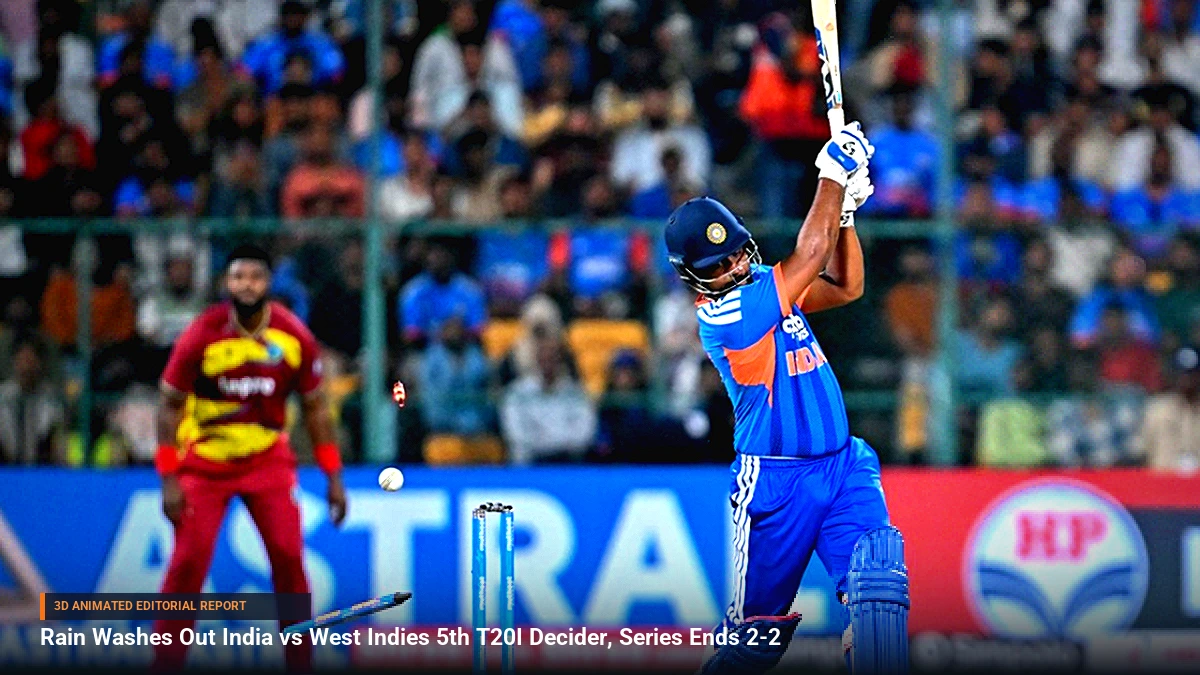
- Weather Interruption: The final T20I encounter between India and the West Indies was cut short due to inclement weather conditions, capping off a series defined by strategic squad management.
Impact, Analysis & Global/National Reactions
The handling of Sooryavanshi has sparked broader conversations within the cricketing fraternity regarding how elite teams balance the integration of generational talents with the immediate demands of winning international fixtures. Sports psychologists and former players often debate whether keeping a young phenom on the bench stalls their momentum or offers invaluable exposure to international dressing-room culture.
Speaking on the selection philosophy, Shreyas Iyer explained, "You have to wait sometimes; we have two fantastic and consistent openers." This sentiment echoes broader philosophies championed by modern team management under head coach Gautam Gambhir, where stability at the top of the order is prioritized to maintain tactical momentum.
Furthermore, analyst Abhishek Nayar noted that overall team balance naturally creates bottlenecks for rising stars, reinforcing that selection is governed by macro-level requirements rather than individual form alone.
What's Next: Looking Ahead
As international calendars press forward, the focus for Sooryavanshi shifts back to domestic circuits and upcoming developmental fixtures where he can continue refining his craft. Team management will likely look for bilateral series against lower-ranked opponents or dead-rubber scenarios in future itineraries to safely integrate the teenager into the playing XI.
For Sooryavanshi, the immediate priority remains maintaining form in domestic competitions, absorbing the lessons learned from observing international match-readiness firsthand, and staying prepared for when the next window of opportunity inevitably opens.

Be the first to comment
Start a useful conversation around this story.