

What Happened: The Core Developments
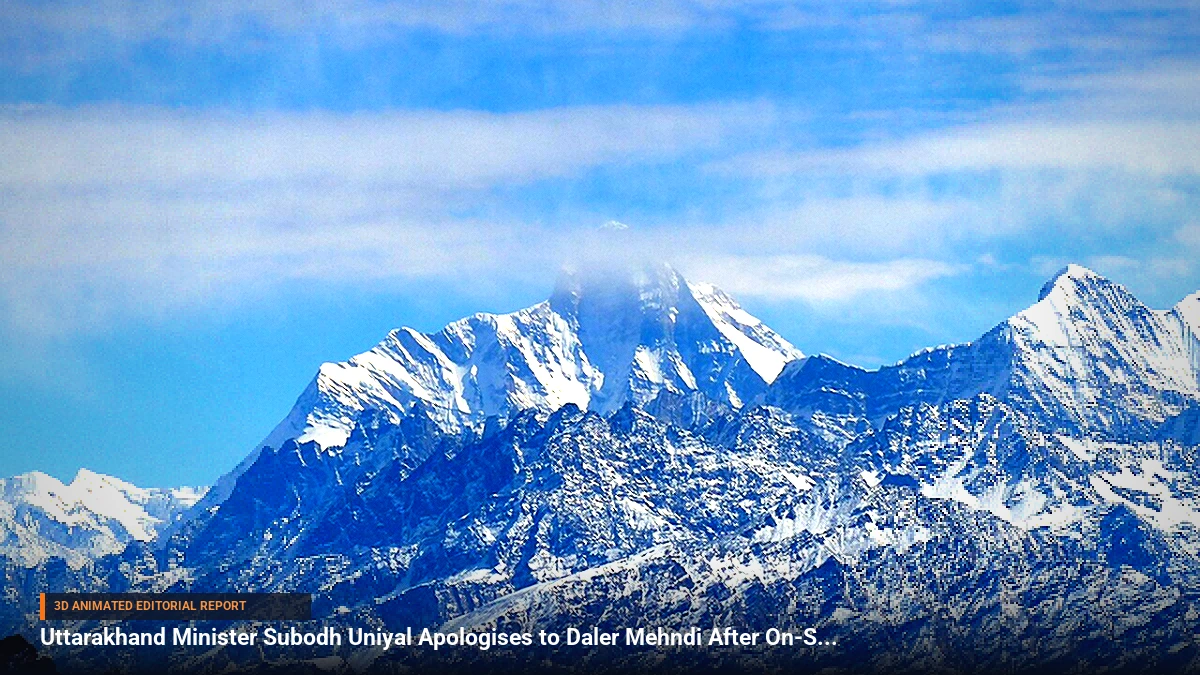
A moderate earthquake rattled the northern Indian state of Uttarakhand, with its epicenter traced to the mountainous Chamoli district. The sudden seismic activity generated perceptible tremors that extended far beyond the immediate epicentral zone, reaching residents across Delhi and the broader National Capital Region (NCR), including Noida and surrounding urban centers.
Initial reporting from regional seismological instruments measured the earthquake at a magnitude of 4.9. However, international monitoring organizations, including the Euro-Mediterranean Seismological Centre (EMSC), registered the event slightly higher at a magnitude of 5.1. The discrepancy highlights the complex nature of seismic wave processing across different monitoring networks. Despite the variance in calculated magnitude, the energy release was sufficient to cause panic in high-rise buildings throughout the capital region, prompting residents to evacuate to open streets.
Background & Key Context
Uttarakhand and the broader Himalayan belt represent one of the most seismically active zones in the world, classified under high-risk seismic zones (Zones IV and V). The region's geological architecture is shaped by the ongoing tectonic collision between the Indian Plate and the Eurasian Plate. This relentless geological pressure accumulates immense strain along fault lines, frequently releasing energy in the form of earthquakes that routinely reverberate through northern India.
Because of the geological makeup of the Indo-Gangetic plain—characterized by deep sedimentary basins—seismic waves traveling from the Himalayan foothills often amplify as they reach urban centers like Delhi and the NCR. This phenomenon explains why moderate earthquakes originating hundreds of kilometers away in districts like Chamoli can be felt so distinctly by urban populations residing far from the source.
Key Takeaways
- Epicenter Location: The seismic event originated in the Chamoli district of Uttarakhand.
- Magnitude Discrepancy: Regional monitoring networks recorded the quake at 4.9, while international systems such as the EMSC pegged the magnitude at 5.1.
- Wide Reach: Tremors were distinctly felt across Delhi and neighboring NCR locations, including Noida.
- Public Response: Residents in high-rise apartments and commercial complexes rushed outdoors as buildings shook.
- Safety Assessment: Disaster management authorities immediately initiated surveillance protocols to check for structural vulnerabilities or casualties.
Impact, Analysis & Global/National Reactions
The sudden tremors triggered immediate concern among disaster management authorities and urban residents alike. In densely populated metropolitan zones like Delhi-NCR, the event served as a stark reminder of urban vulnerability to distant seismic sources. Emergency response teams in Uttarakhand were placed on high alert immediately following the initial shockwave to ascertain conditions in remote villages near the epicenter.
"Seismic monitoring networks always experience minor variations in initial magnitude estimates due to differences in sensor deployment and data filtering algorithms," noted a senior geological analyst. "The critical focus for emergency services immediately following such an event shifts away from the decimal point of the magnitude and toward rapid damage assessment in the epicentral zone."
Local authorities reported that civil defense units and police patrols were deployed to monitor infrastructure integrity, though no immediate reports of major structural failures or casualties surfaced in the hours immediately following the tremor.
What's Next: Looking Ahead
Geological surveys and seismological departments are continuing to analyze data waveforms to map aftershock sequences and determine the precise hypocentral depth of the Chamoli earthquake. Urban planners and disaster mitigation agencies in Delhi-NCR are expected to review compliance with building safety codes, given that recurring distant tremors continue to underscore the capital region's exposure to Himalayan seismic hazards. Residents in both rural Uttarakhand and urban northern India are advised to remain vigilant and review standard earthquake safety procedures.




Be the first to comment
Start a useful conversation around this story.