
What Happened: The Core Developments
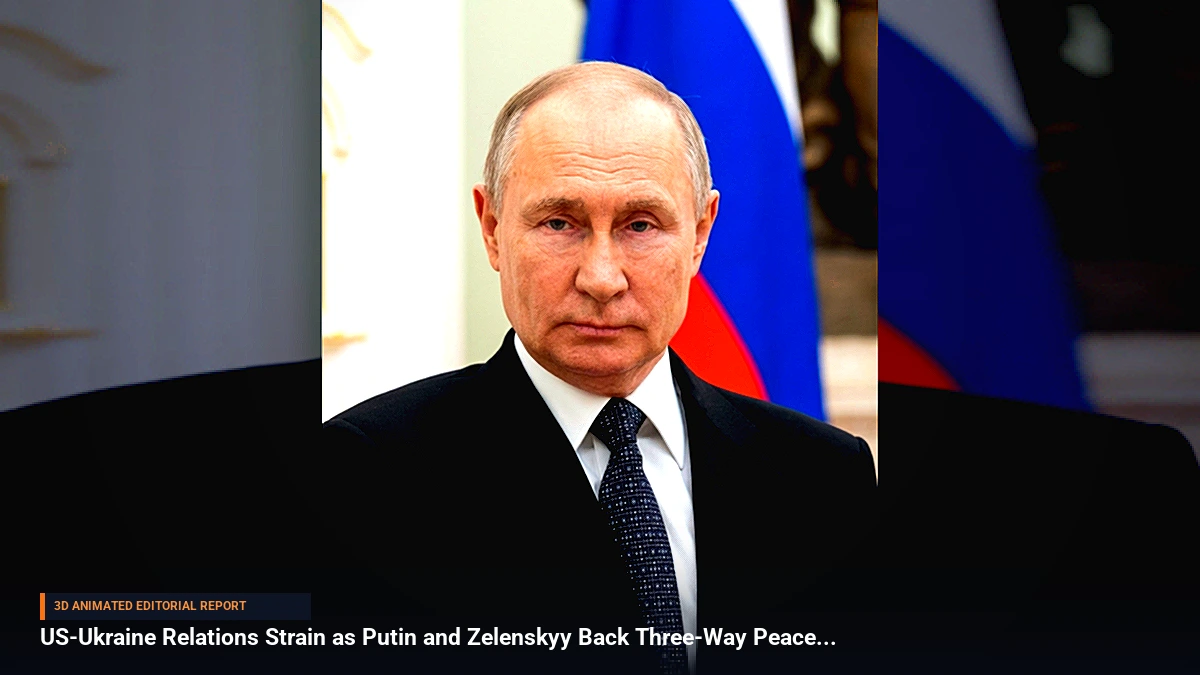
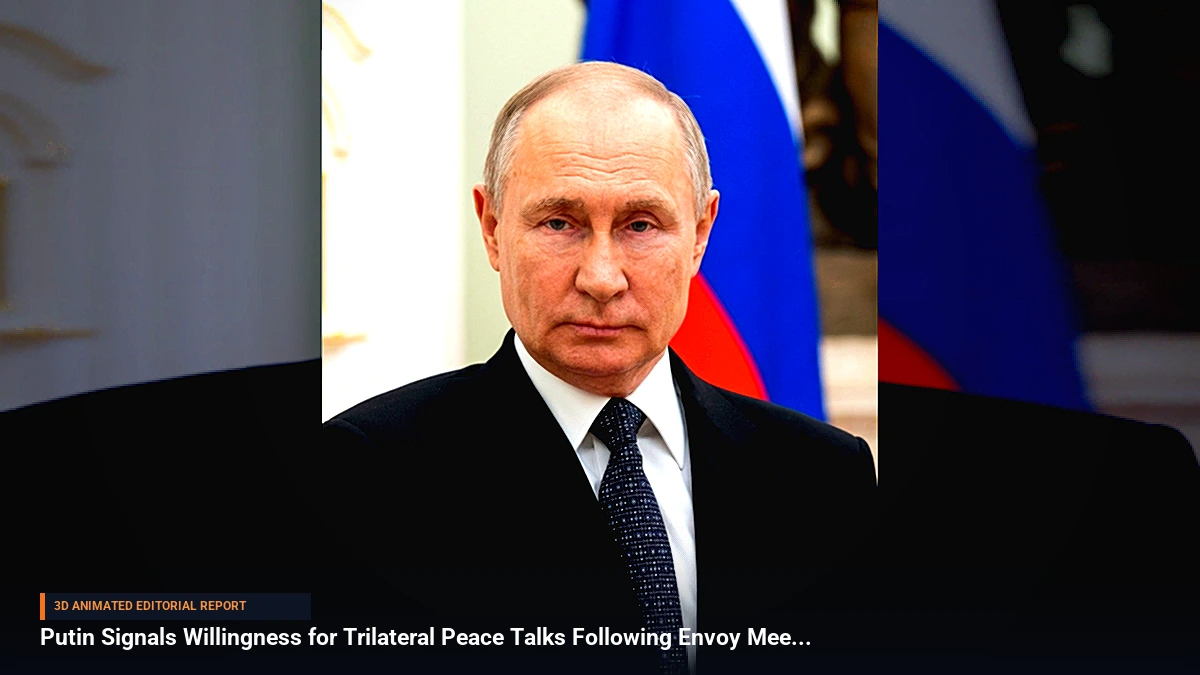
Diplomatic efforts to resolve the protracted conflict in Ukraine have reached a complex crossroads, characterized by simultaneous breakthroughs in dialogue and escalating friction on the ground. Both Russian President Vladimir Putin and Ukrainian President Volodymyr Zelenskyy have signaled a willingness to engage in unprecedented three-way peace talks facilitated by the United States.
However, this diplomatic overture has been met with immediate volatility. Shortly after Russia agreed to a United States call to resume peace negotiations, missile strikes shook the Ukrainian capital of Kyiv, underscoring the stark reality of the ongoing war. Complicating matters further, recent diplomatic engagements in Oslo—where Ukrainian leadership and US envoy Witkoff discussed potential ceasefire proposals—faced intense public and political scrutiny following controversial remarks from a US envoy who referred to Putin as a "humanitarian," drawing swift backlash from international observers and regional allies alike.
Background & Key Context
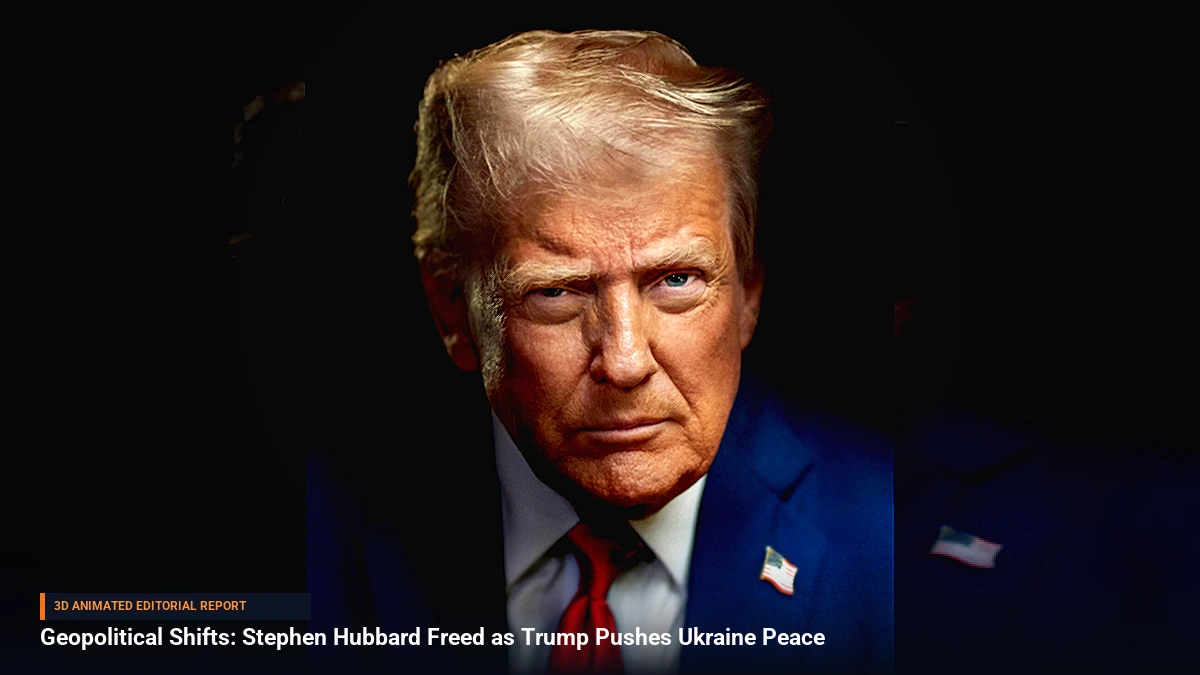
The latest diplomatic maneuvers occur against a backdrop of deeply strained relations between the administration of US President Donald Trump and Ukrainian leadership under President Zelenskyy. Tensions have steadily intensified as the White House publicly called for a restructuring of Ukraine's negotiating team, explicitly suggesting that Zelenskyy be replaced as the primary negotiator.
Simultaneously, Kyiv has voiced mounting frustration over the pacing of international support. President Zelenskyy publicly confirmed that critical arms shipments have faced noticeable delays, raising concerns within the Ukrainian defense apparatus about maintaining operational readiness while diplomatic tracks are being aggressively pursued by external partners.
Key Takeaways
- Three-Way Talks Backed: Both Vladimir Putin and Volodymyr Zelenskyy have expressed support for US-mediated three-way peace discussions.
- Contradictory Realities on the Ground: Air strikes struck Kyiv immediately following Moscow's agreement to resume dialogue under American auspices.
- Diplomatic Blunders: A US envoy sparked international outrage and heavy political backlash after referring to the Russian president as a "humanitarian."
- Leadership Friction: The US administration has called for changes in Ukrainian negotiating leadership, requesting that Zelenskyy step aside from direct negotiation roles.
- Military Supply Concerns: Ukraine has reported significant delays in vital arms shipments, compounding anxiety in Kyiv regarding Western security commitments.
Impact, Analysis & Global/National Reactions
The dual track of pursuing high-level peace negotiations while experiencing severe bilateral friction highlights the volatile nature of contemporary international diplomacy. Analysts suggest that Washington's push for a recalibration of Ukraine's negotiating team reflects a shifting strategic calculus within the US administration, which appears eager to accelerate a settlement regardless of friction with traditional allies.
European capitals and regional stakeholders are watching these developments with cautious alarm. The controversial framing of Russian leadership by American diplomatic representatives has raised questions about the impartiality and long-term stability of the proposed peace framework. Meanwhile, defense analysts warn that public disagreements between Washington and Kyiv over arms deliveries and leadership undermine Ukraine's strategic leverage at the very moment diplomatic talks are being shaped.
What's Next: Looking Ahead
As discussions transition from preliminary talks in neutral locations like Oslo to more formalized three-way frameworks, all eyes remain on the structural logistics of the proposed negotiations. Key questions persist regarding how the competing demands of territorial integrity, security guarantees, and leadership representation will be managed.
Observers will closely monitor upcoming diplomatic briefings and legislative sessions in Washington and Kyiv to see whether the reported delays in military aid will be resolved and whether the proposed three-way summit can overcome the deep-seated mistrust and ongoing military hostilities defining the conflict.
Be the first to comment
Start a useful conversation around this story.