
What Happened: The Core Developments
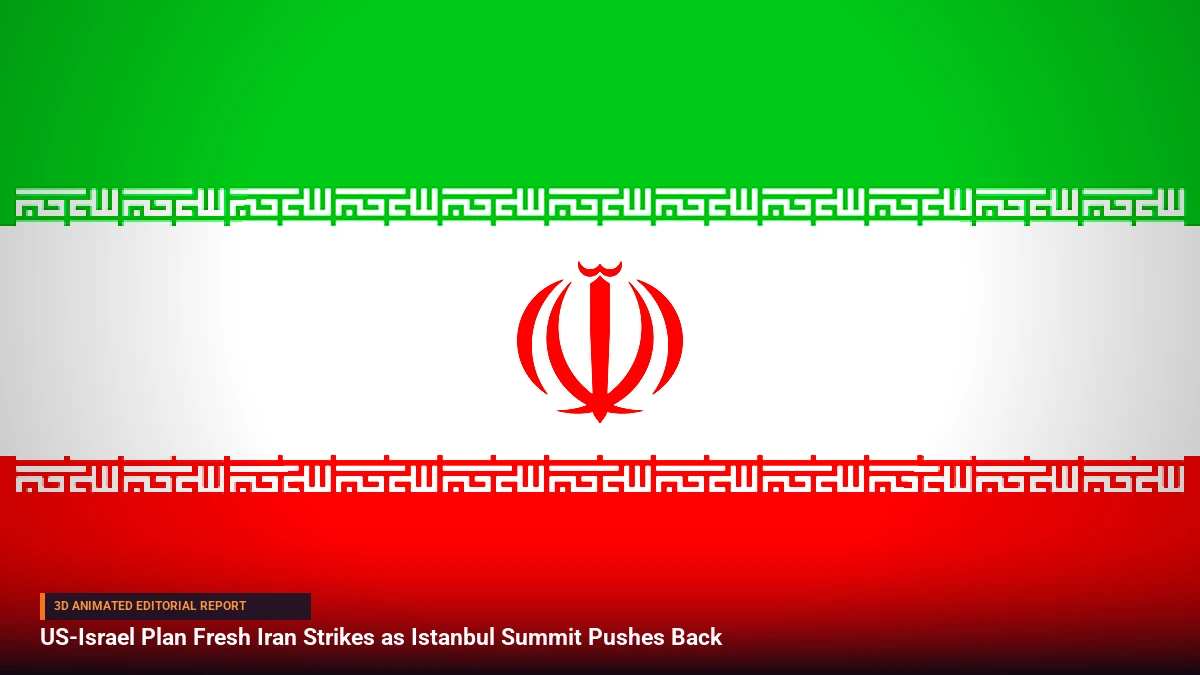
Geopolitical friction across the Middle East has intensified following intelligence reports that the United States and Israel are actively drawing up operational plans for renewed military strikes against Iran. This aggressive posture coincides with deadlocked negotiations over Tehran's nuclear program and follows a tense political backdrop shaped by recent electoral cycles.
In response to the growing threat of renewed hostilities, Tehran has ramped up its rhetorical and strategic warnings, notably pointing to advanced domestic weaponry, including references to a heavy explosive system colloquially termed the 'Father of All Bombs.' Meanwhile, the strategic landscape is shifting on multiple fronts. Satellite imagery and defense analysis indicate that Saudi Arabia is actively expanding its domestic missile manufacturing capabilities—specifically at a solid propellant motor plant in Al Duwadimi—to counter persistent Houthi threats and broader anxieties over Iranian nuclear ambitions.
Background & Key Context
The specter of renewed military action follows months of volatile exchanges between Washington, Jerusalem, and Tehran. Previous rounds of regional escalations have continually threatened to transform localized skirmishes into a theater-wide conflagration. With diplomatic tracks over Iran's nuclear enrichment remaining frozen, military planners in the US and Israel have increasingly leaned into contingency operations.
Simultaneously, the diplomatic architecture of the region is undergoing a stress test. Recognizing the catastrophic economic and security fallout of a renewed war, foreign ministers from eight European and Middle Eastern countries convened at a high-stakes summit in Istanbul. This gathering effectively birthed a nascent multinational "anti-war bloc" designed to counter the march toward renewed hostilities.
Key Takeaways
- Renewed Strike Planning: The US and Israel are reportedly finalizing blueprints for fresh military actions against Iranian targets following recent electoral cycles.
- Tehran's Counter-Threats: Iranian leadership has issued stern warnings, brandishing advanced domestic armaments including references to the heavily destructive 'Father of All Bombs.'
- The Istanbul Summit: Foreign ministers from eight European and Middle Eastern nations met in Turkey to form an anti-war coalition, warning against the dangers of expanded conflict and surging oil prices.
- Saudi Missile Expansion: Amid ongoing regional instability, satellite data confirms Saudi Arabia is expanding its solid propellant motor plant at Al Duwadimi to bolster long-range defense capabilities.
- Deadlocked Diplomacy: International efforts to restart talks regarding Iran's stalled nuclear program remain at an impasse, feeding into the current military calculus.
Impact, Analysis & Global/National Reactions
The prospect of fresh military strikes has ignited profound anxiety across global markets and diplomatic corridors. Financial analysts warn that any renewed outbreak of fighting in the Persian Gulf risks triggering severe spikes in global crude oil prices, threatening fragile post-pandemic economic recoveries worldwide.
During the Istanbul summit, participating ministers issued stark warnings against unilateral or coordinated military escalation. The bloc emphasized that a new wave of bombings would not permanently resolve the nuclear standoff, but would instead destabilize neighboring states and empower extremist factions. "A fresh outbreak of fighting would spread conflict and push oil prices even higher," delegates noted, signaling a widening rift between Western-Israeli military strategies and regional diplomatic preferences.
What's Next: Looking Ahead
As military assets reposition across the region, all eyes remain on Washington and Jerusalem to determine the exact timing and scope of any potential operations. Concurrently, diplomatic channels spearheaded by the Istanbul summit bloc are expected to push for last-minute de-escalation frameworks.
Market observers and energy analysts will closely monitor crude futures and maritime security in the Strait of Hormuz. At the same time, defense intelligence agencies will track structural completions at Saudi Arabia's Al Duwadimi facility, marking a permanent shift in the regional balance of missile power.


Be the first to comment
Start a useful conversation around this story.