
What Happened: The Core Developments
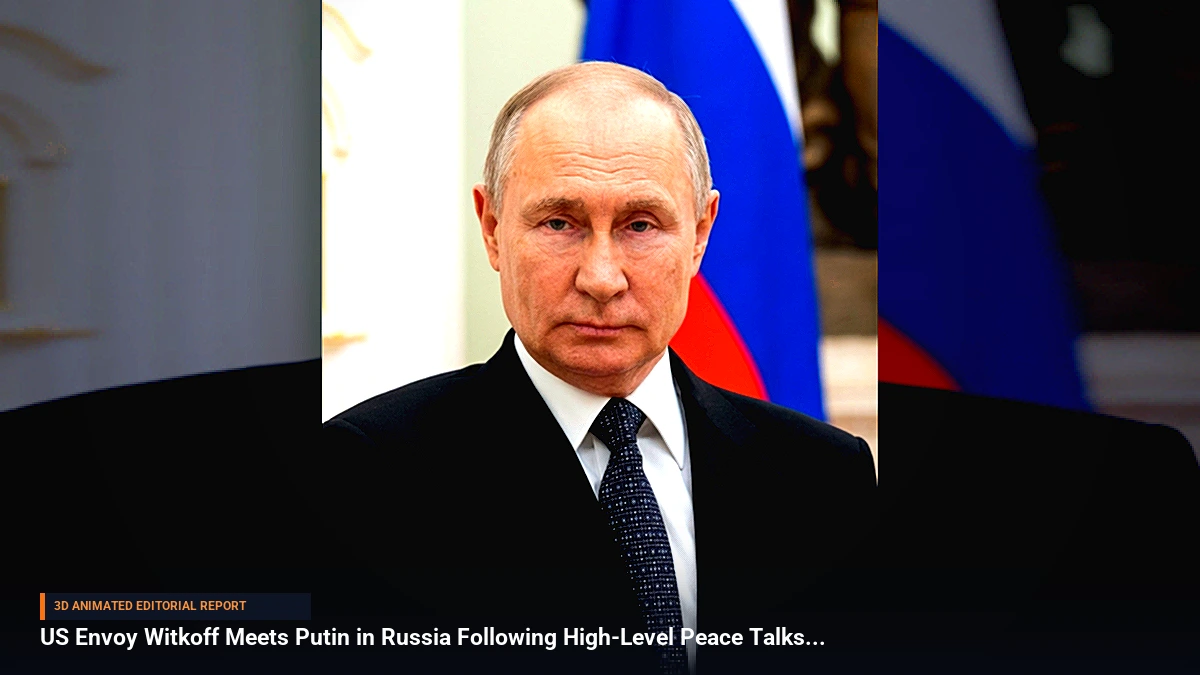
In a notable escalation of diplomatic engagement, US special envoy Witkoff arrived in Russia to hold high-level meetings with Russian President Vladimir Putin. The primary focus of the discussion centers on pathways toward ending the protracted war in Ukraine. This direct outreach to Moscow comes directly on the heels of preliminary diplomatic sessions held in Oslo, Norway, where Witkoff met with Ukrainian President Volodymyr Zelenskyy alongside key European leaders.
Simultaneously, as diplomatic tracks gathered momentum, the diplomatic engagement yielded a tangible humanitarian breakthrough: Russia released a detained US citizen during the course of these high-level discussions. While details regarding the precise terms or proposals put on the table during the Putin-Witkoff meeting remain closely guarded, the sequence of travels marks an intensive phase of shuttle diplomacy.
Background & Key Context
The groundwork for the current Moscow talks was laid during multilateral discussions in Norway. Those sessions featured active participation from the prime ministers of Norway and Finland, highlighting the deep regional stake that Nordic and broader European nations hold in the conflict's outcome. US Secretary of State Marco Rubio publicly characterized the preceding dialogue between Washington's representatives and Kyiv's leadership as "positive" and "constructive."
Despite the outward optimism from Washington, the diplomatic ballet occurs against a backdrop of domestic turbulence within Ukraine. Reports emerged that Ukrainian anti-corruption detectives executed searches at the premises of the National Bank of Ukraine, as well as the private residence of a central bank employee. Authorities confirmed that no individuals had been detained or issued formal suspicion notices, and the central bank withheld immediate commentary. These concurrent domestic developments underscore the complex internal environment in which Kyiv is trying to navigate major international peace initiatives.
Key Takeaways
- Direct Moscow Engagement: US envoy Witkoff traveled to Russia to meet directly with Vladimir Putin to discuss the war in Ukraine.
- Constructive Foundation: The trip follows positive and constructive peace discussions held with Ukrainian President Volodymyr Zelenskyy in Norway.
- Nordic Participation: The Oslo talks included the prime ministers of Norway and Finland, emphasizing unified European regional security interests.
- Humanitarian Milestone: Concurrently with the diplomatic talks, Russia freed a detained US citizen.
- Domestic Strain in Kyiv: The peace push happens parallel to domestic anti-corruption investigations involving the National Bank of Ukraine.
Impact, Analysis & Global/National Reactions
The shifting diplomatic architecture points toward a concerted effort by the United States to test the waters for potential negotiation frameworks. By leveraging high-level channels with both Kyiv and Moscow, Washington aims to narrow the massive gaps that have long defined the conflict. European capitals have watched these developments closely, insisting on the core principle that any viable peace architecture must fully incorporate Ukrainian agency and sovereignty.
US Secretary of State Marco Rubio's endorsement of the Oslo meetings as constructive provides a strong signal of alignment between Washington and its European partners, even as separate geopolitical flashpoints demand global attention. Meanwhile, the concurrent release of a US citizen from Russian custody serves as a traditional confidence-building measure, often preceding more substantive diplomatic maneuvers.
What's Next: Looking Ahead
As Witkoff wraps up discussions in Russia, international observers will be scrutinizing both Washington and Kyiv for any indication of concrete peace terms or prospective frameworks for formal negotiations. Stakeholders will also monitor whether the diplomatic momentum can withstand domestic distractions inside Ukraine, such as the ongoing anti-corruption scrutiny centered around the central bank. Future announcements from the US State Department and European chancellories will likely shed light on whether these exploratory talks can evolve into a structured roadmap for peace.
Be the first to comment
Start a useful conversation around this story.