
What Happened: The Core Developments
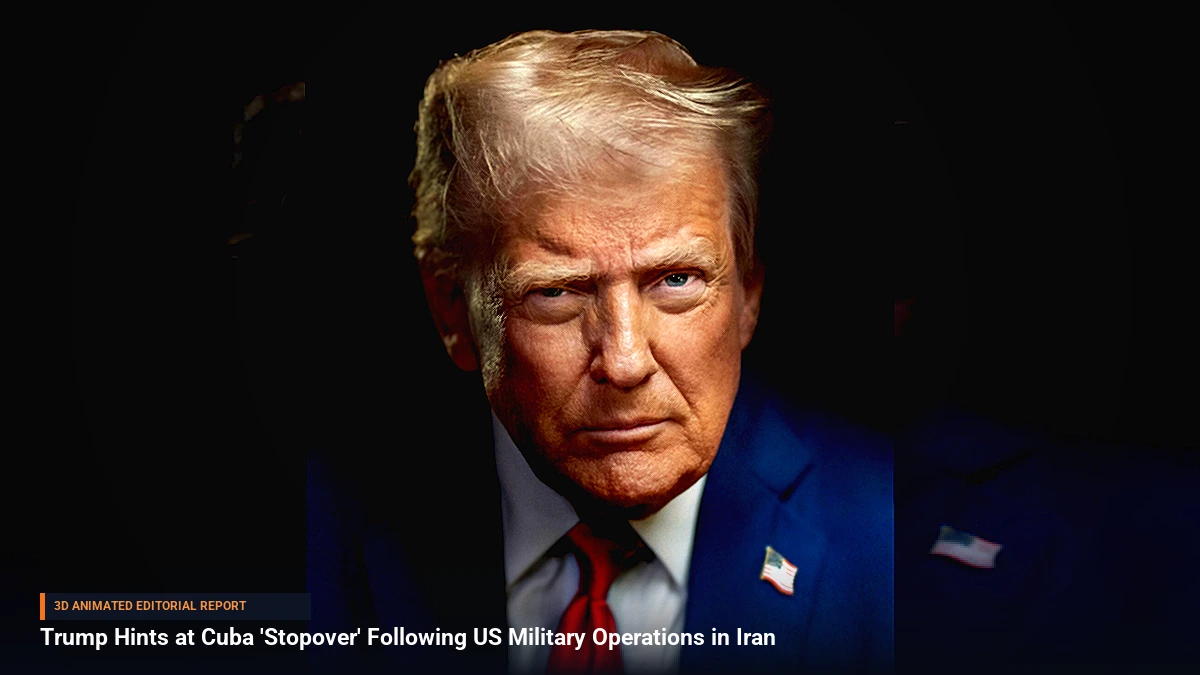
Recent statements from high-ranking United States leadership have signaled a potential strategic pivot toward Latin America, even as active military engagements persist in the Middle East. During a political rally in Florida, Donald Trump publicly hinted at a possible US military intervention or "little stopover" regarding Cuba, suggesting that returning naval assets could be redirected toward the island nation.
This rhetoric was swiftly amplified by key administration figures. Notably, Marco Rubio urged Cuban citizens to establish discreet contacts with the Central Intelligence Agency (CIA) to help facilitate political change within the communist-run island. These synchronized remarks underline an increasingly assertive posture toward traditional adversaries in the Western Hemisphere, running parallel to ongoing operations in other global theaters.
Background & Key Context
The latest developments follow intensive military campaigns in the Middle East, where US forces recently engaged in extensive operations against Iran. Trump remarked that the US had knocked the "hell out" of Iran, simultaneously leaving the door open for potential new strikes should strategic conditions warrant them. As naval strike groups and associated warships complete these Middle Eastern missions, attention has turned to how redeployed military assets might be utilized closer to home.
Cuba has long been a focal point of US foreign policy, characterized by decades of economic embargoes, diplomatic friction, and ideological opposition. However, explicitly linking the conclusion or transition of Middle Eastern military campaigns to a potential intervention or operational "stopover" in Cuba marks a distinct rhetorical escalation. Observers note that this strategy combines hard-power naval positioning with covert intelligence overtures aimed at destabilizing or transforming the Cuban government from within.
Key Takeaways
- Strategic Redirection: US leadership has explicitly hinted at a potential military intervention or "stopover" in Cuba as warships transition away from operations in Iran.
- Intelligence Overtures: Marco Rubio publicly encouraged Cuban nationals to make discreet contact with the CIA to foster internal political change.
- Ongoing Middle Eastern Context: The remarks follow aggressive military postures in the Middle East, where officials stated the US has heavily impacted Iranian infrastructure.
- Dual-Track Pressure: Washington's approach appears to combine traditional power projection—such as warship deployments—with active intelligence-driven regime change tactics.
Impact, Analysis & Global/National Reactions
The convergence of Middle Eastern military operations and renewed rhetoric regarding Latin America has drawn intense scrutiny from international relations experts and domestic stakeholders alike. Analysts are evaluating whether these comments represent a genuine shift in military doctrine toward a two-front or sequential pressure campaign, or if they are primarily designed for domestic political consumption.
Critics of the administration's posture warn that opening a new diplomatic or military front in the Caribbean could destabilize the region and strain international alliances. Conversely, hardline supporters view the dual-track strategy as a demonstration of global reach and unwavering resolve against adversarial regimes. To date, official responses from Havana regarding the CIA outreach and the threatened naval "stopover" have yet to be fully detailed, though state media traditionally denounces such rhetoric as imperialist interference.
What's Next: Looking Ahead
As US warships complete their current rotations and begin their return transits, international observers will closely monitor naval tracking data to determine if hardware is indeed repositioned near the Caribbean. Furthermore, policymakers in Washington will likely face congressional inquiries regarding the legal and strategic scope of any contemplated actions against Cuba.
Intelligence agencies will also navigate the fallout of open calls for covert recruitment within Cuba, which could trigger heightened domestic security crackdowns by Havana against perceived dissidents. The coming weeks will reveal whether these high-profile statements translate into concrete foreign policy shifts or remain rhetorical positioning amidst an active geopolitical climate.

Be the first to comment
Start a useful conversation around this story.