
What Happened: The Core Developments
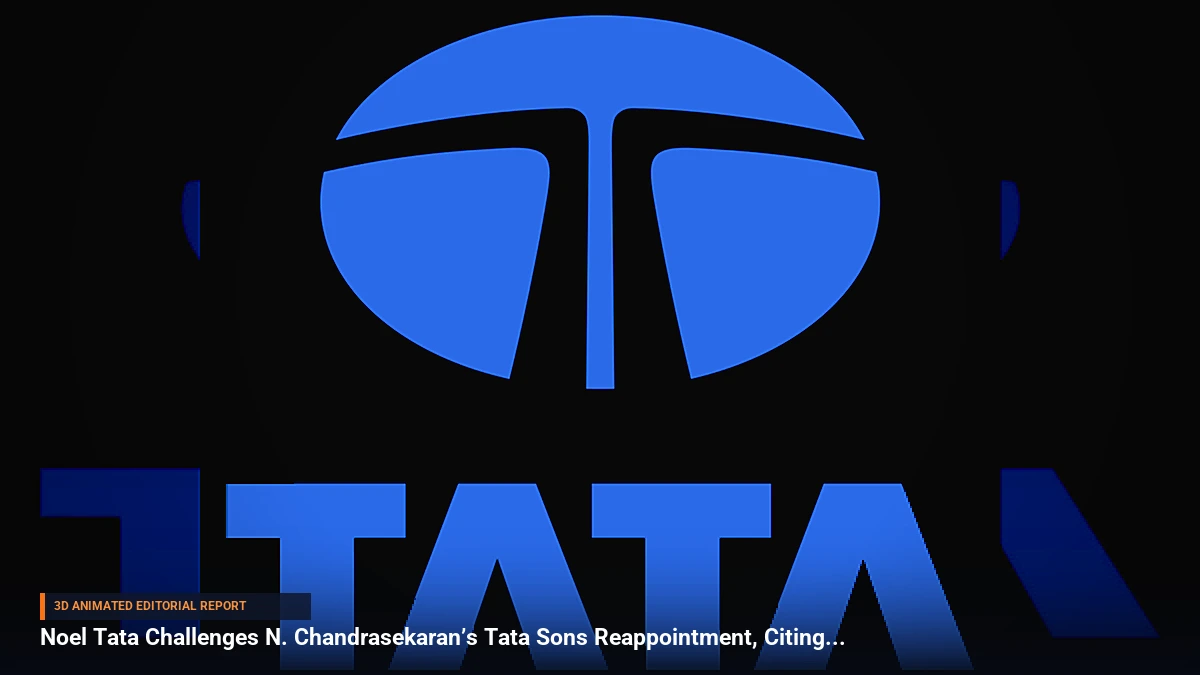
Corporate tensions within India's largest conglomerate reached a boiling point after Tata Sons officially extended N Chandrasekaran's term as chairman for an additional five years. Despite the board's formal endorsement, which Chandrasekaran swiftly accepted, the decision triggered an immediate backlash from the group's principal philanthropic arm.
Tata Trusts, headed by Noel Tata, publicly challenged the re-appointment, declaring the procedural maneuvers surrounding the extension illegal. The disagreement highlights a widening rift between the commercial leadership at Tata Sons and the philanthropic trusts that hold controlling equity stakes in the holding company. Beyond the leadership dispute, friction has intensified over strategic financial directions, notably the proposed initial public offering (IPO) of Tata Sons, which has faced staunch institutional resistance.
Background & Key Context
The friction at the apex of the Tata empire underscores a delicate balance of power that has historically defined India’s most storied corporate institution. Tata Trusts controls approximately two-thirds of the equity capital of Tata Sons, giving the philanthropic entity profound leverage over strategic decisions, leadership appointments, and long-term vision.
Historically, the leadership of Tata Sons and the trusts have maintained a synchronized alignment to safeguard the conglomerate's unique socio-economic ethos. However, recent strategic shifts—particularly aggressive pushes toward monetization, potential public listings to comply with regulatory frameworks, and executive governance structures—have exposed underlying philosophical divides. The deadlock reportedly involved procedural stalemates during board deliberations, allowing critical voting dynamics to unfold under intense scrutiny.
Key Takeaways
- Leadership Extension: N Chandrasekaran accepted a fresh five-year term as chairman of Tata Sons, endorsed by corporate board members.
- Trusts' Opposition: Tata Trusts, under Noel Tata, vehemently rejected the renewal, terming the entire process illegal.
- IPO Controversy: Noel Tata and aligned trust stakeholders have raised strong objections against the proposed public listing of Tata Sons.
- Governance Clash: The dispute brings structural power dynamics and checks-and-balances between commercial entities and controlling trusts into sharp focus.
- Potential Legal Battles: Legal experts anticipate prospective challenges in corporate tribunals as the trusts explore avenues to contest the governance decisions.
Impact, Analysis & Global/National Reactions
The public disagreement has sent shockwaves through India’s financial circles, inviting widespread analysis from market watchers, corporate governance experts, and institutional investors. Analysts point out that a fractured relationship between Tata Sons and Tata Trusts threatens to complicate strategic execution across the conglomerate's sprawling portfolio, which ranges from steel and automotive to retail and digital technology.
Critics of the proposed IPO argue that a public listing could fundamentally dilute the distinct national service character and philanthropic mission that have anchored the Tata brand for over a century. Conversely, proponents of corporate restructuring argue that modernizing Tata Sons through public capital markets is essential for unlocking shareholder value and complying with stringent Reserve Bank of India (RBI) regulations classifying upper-layer non-banking financial companies (NBFCs).
What's Next: Looking Ahead
As stakeholder factions dig in their heels, all eyes turn to potential judicial or regulatory interventions. Tata Trusts is widely expected to formalize its legal challenges in corporate forums, which could trigger a prolonged boardroom battle. Meanwhile, executive teams at Tata Sons must navigate these internal headwinds while trying to maintain operational momentum across key operating companies, leaving investors closely monitoring how leadership structures will ultimately accommodate both commercial imperatives and foundational trusts.



Be the first to comment
Start a useful conversation around this story.