
What Happened: The Core Developments
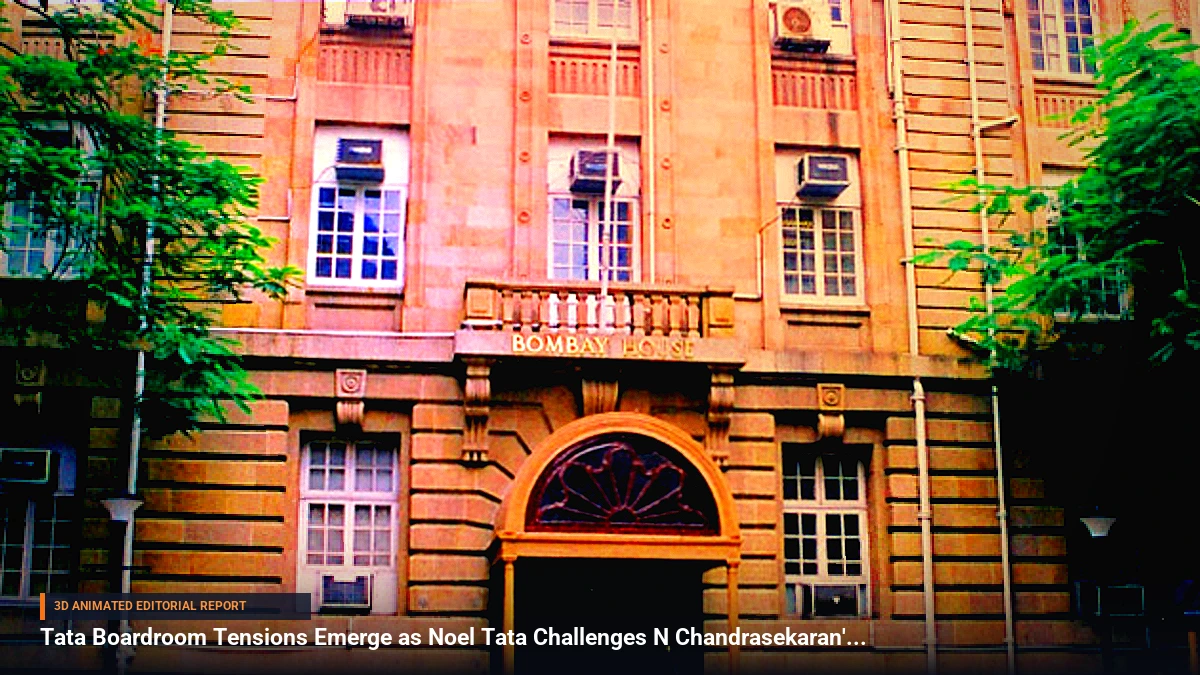
In a development that has sent shockwaves through India’s corporate sector, N Chandrasekaran has been officially reappointed as the chairman of Tata Sons for a third five-year term. The decision, arrived at following intense boardroom deliberations, was swiftly met with severe pushback from the philanthropic arm of the conglomerate.
Tata Trusts publicly declared the reappointment process and its outcome to be entirely illegal. Key stakeholders, including Noel Tata and representatives of Tata Trusts, strongly opposed the reappointment vote, flagging deep-seated objections regarding procedural adherence and governance standards. Despite this high-level dissent, Chandrasekaran accepted the mandate, setting up an unprecedented institutional clash within the upper echelons of the Tata ecosystem.
Background & Key Context
To understand the gravity of the current rift, one must examine the unique structural architecture of the Tata group. Tata Sons serves as the principal investment holding company and promoter of Tata companies, while Tata Trusts holds a commanding majority stake in Tata Sons, traditionally wielding substantial influence over leadership choices and strategic direction.
The friction highlights underlying tensions regarding corporate control, strategic execution, and leadership succession within India's largest conglomerate. Past transitions have often underscored the delicate balance of power between the operating holding company and the controlling trusts. This latest dispute brings these historical governance dynamics back into sharp focus, raising critical questions about voting protocols, conflict of interest, and the overarching authority of the trusts in key executive decisions.
Key Takeaways
- Leadership Continuity: N Chandrasekaran has officially accepted a third five-year term to helm Tata Sons.
- Direct Opposition: Tata Trusts, including key leadership figures like Noel Tata, fiercely opposed the renewal vote.
- Governance Dispute: The principal shareholder group has publicly termed the reappointment process and final outcome illegal.
- Structural Friction: The standoff exposes deep-seated tensions between the commercial leadership of Tata Sons and the philanthropic holding entities.
- Unresolved Procedures: Objections center heavily on the procedural mechanics and voting validity surrounding the chairmanship decision.
Impact, Analysis & Global/National Reactions
The public fracture between Tata Sons and Tata Trusts carries profound implications for market sentiment and corporate governance standards across India. Analysts note that public disagreements of this magnitude are rare within the tightly managed conglomerate, historically known for maintaining a unified front during leadership transitions.
Market observers point out that leadership stability is crucial as the group navigates complex global economic headwinds, massive green energy transitions, and digital expansions. However, institutional investors are closely monitoring whether this boardroom friction will cascade into broader operational or strategic uncertainties. Corporate governance experts have emphasized that resolving the validity of the voting process will be paramount to restoring complete harmony between the philanthropic trusts and the executive board.
What's Next: Looking Ahead
As the dust settles on the initial vote, all eyes turn toward how both sides will manage the fallout. Stakeholders will be watching for potential legal challenges from Tata Trusts aimed at formally testing the legality of the appointment.
Additionally, internal mediation or board-level dialogues may be necessary to bridge the divide between the operating executives and the controlling shareholders. How this dispute is mediated will likely set a vital precedent for governance oversight and power distribution within India's most prominent corporate houses for years to come.



Be the first to comment
Start a useful conversation around this story.