
What Happened: The Core Developments
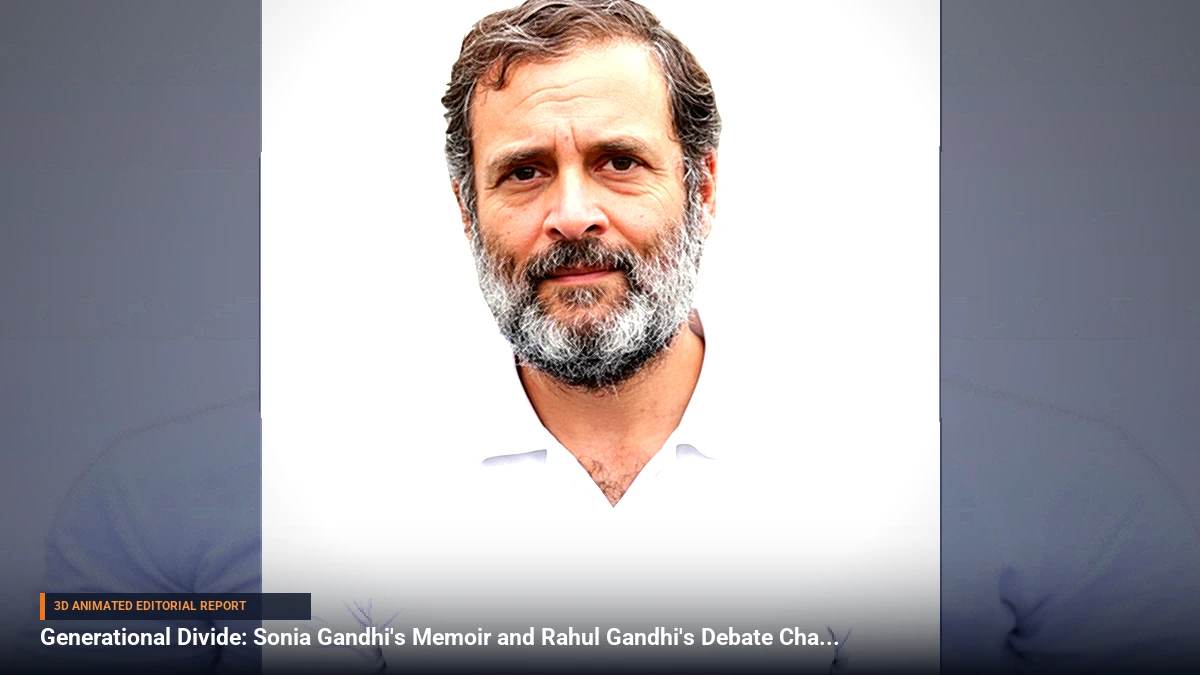
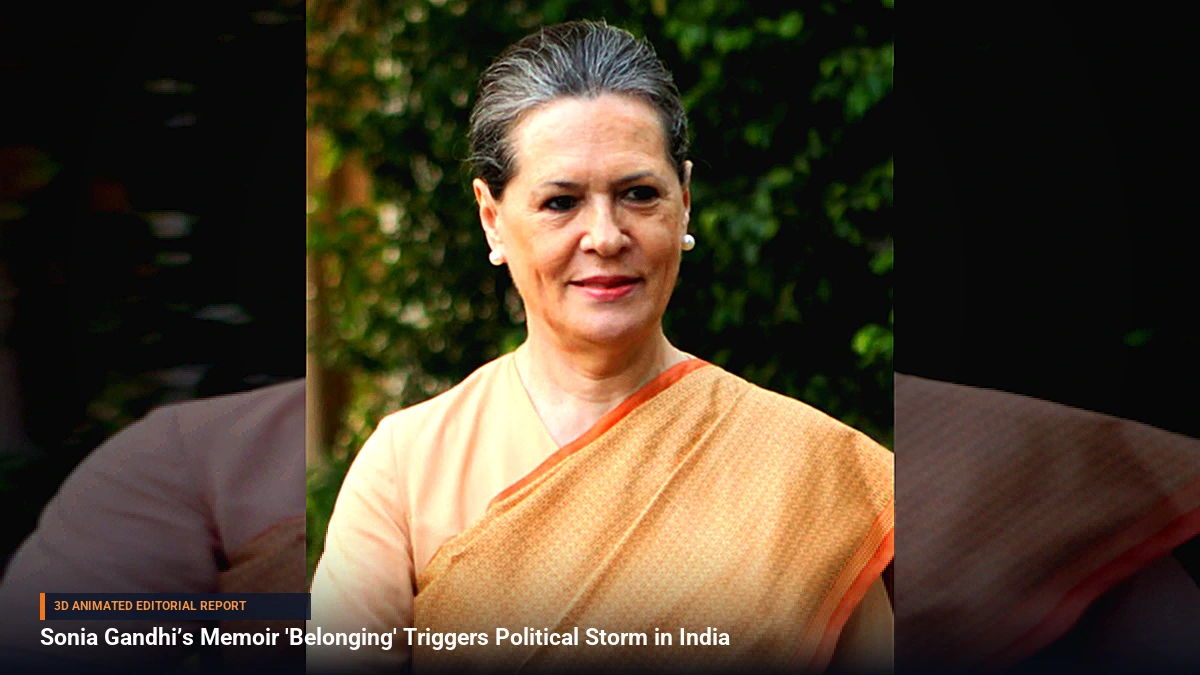
The Indian political landscape is witnessing a fascinating study in contrast through the dual strategies of its primary opposition family. On one front, former Congress President Sonia Gandhi has released a deeply reflective and personal memoir titled Belonging. In the book, she opens up about critical junctures in Indian political history, detailing her decision to step back from the Prime Minister's post in 2004, addressing persistent allegations of nepotism within the Grand Old Party, and reflecting on her sparse yet notable interactions with Prime Minister Narendra Modi.
Simultaneously, her son and senior Congress leader, Rahul Gandhi, has adopted a much more aggressive, confrontational stance on the campaign trail. Challenging Prime Minister Modi to a direct public debate "any time, any place," Rahul Gandhi has demanded accountability over accusations branding the opposition as 'anti-national' or 'Naxals'. This twin approach—balancing retrospective introspection with fierce, forward-facing combativeness—underscores the complex communication strategy currently being deployed by the Congress leadership.
Background & Key Context
The dynamics between the Gandhi family and Prime Minister Narendra Modi have defined Indian politics for over a decade. Sonia Gandhi’s memoir sheds light on a side of political life rarely seen by the public, touching upon personal grief, the heavy mantle of dynastic duty, and the institutional realities of dealing with political rivals. Her recounting of the 2004 political shock—where she famously declined the premiership despite leading the United Progressive Alliance to victory—continues to be a touchstone for discussions regarding political sacrifice and internal party governance.
Meanwhile, Rahul Gandhi’s recent escalation of debate challenges marks a strategic pivot. Rather than merely responding to verbal attacks from the ruling Bharatiya Janata Party (BJP), the opposition leadership is attempting to shift the narrative back to policy frameworks, nationalism accusations, and systemic governance issues. By calling for open dialogues, the younger Gandhi aims to project confidence and dismantle the ruling party's rhetorical monopoly on patriotism and economic progress.
Key Takeaways
- Dual Strategies: The Congress party is currently leveraging a dual-track approach, combining Sonia Gandhi’s reflective, statesman-like memoir with Rahul Gandhi’s aggressive, direct challenge to public debates.
- Memoir Revelations: In Belonging, Sonia Gandhi addresses the inner turmoil and sense of duty that dictated her historic 2004 decision to decline the Prime Minister's office.
- Direct Confrontation: Rahul Gandhi has forcefully responded to allegations of being 'anti-national' or 'Naxals' by daring PM Modi to an unscripted, public showdown.
- Addressing Nepotism: Sonia Gandhi’s book confronts head-on the recurring criticisms regarding dynastic politics and why the Congress party remains tethered to the Gandhi family.
- Narrative Shift: The opposition is attempting to force a transition from monologue-driven political rallies to structured policy debates covering key socio-economic concerns.
Impact, Analysis & Global/National Reactions
Political analysts view this dual offensive as a calculated effort to humanize the Congress leadership while simultaneously projecting strength. Sonia Gandhi’s memoir has successfully re-ignited conversations about political ethics, personal sacrifice, and the emotional weight of public service. By laying bare her limited common ground yet distinct ideological separation from Prime Minister Modi, she frames her political career through a lens of quiet endurance.
Conversely, Rahul Gandhi’s high-stakes debate challenge has put the ruling establishment on the defensive regarding how it handles political dissent. Critics from the opposition argue that modern political discourse has devolved into unverified labeling rather than constructive policy debate. As party president Mallikarjun Kharge and other senior leaders amplify these calls for public debates on unemployment, inflation, and national security, the political temperature across the country continues to rise sharply.
What's Next: Looking Ahead
As the fallout from Belonging continues to ripple through media circles and political talk shows, attention will inevitably shift toward how the ruling BJP responds to Rahul Gandhi’s open challenges. While direct debates between top-tier leaders remain a rarity in modern Indian electoral politics, the demand for them sets a new benchmark for public accountability.
Moving forward, the opposition's ability to sustain this narrative will depend heavily on translating these rhetorical standoffs into tangible electoral gains. Whether the BJP chooses to engage with the debate challenges or dismiss them as political posturing, the overarching discourse has undeniably shifted toward a more confrontational and ideologically polarized environment.

Be the first to comment
Start a useful conversation around this story.