
What Happened: The Core Developments
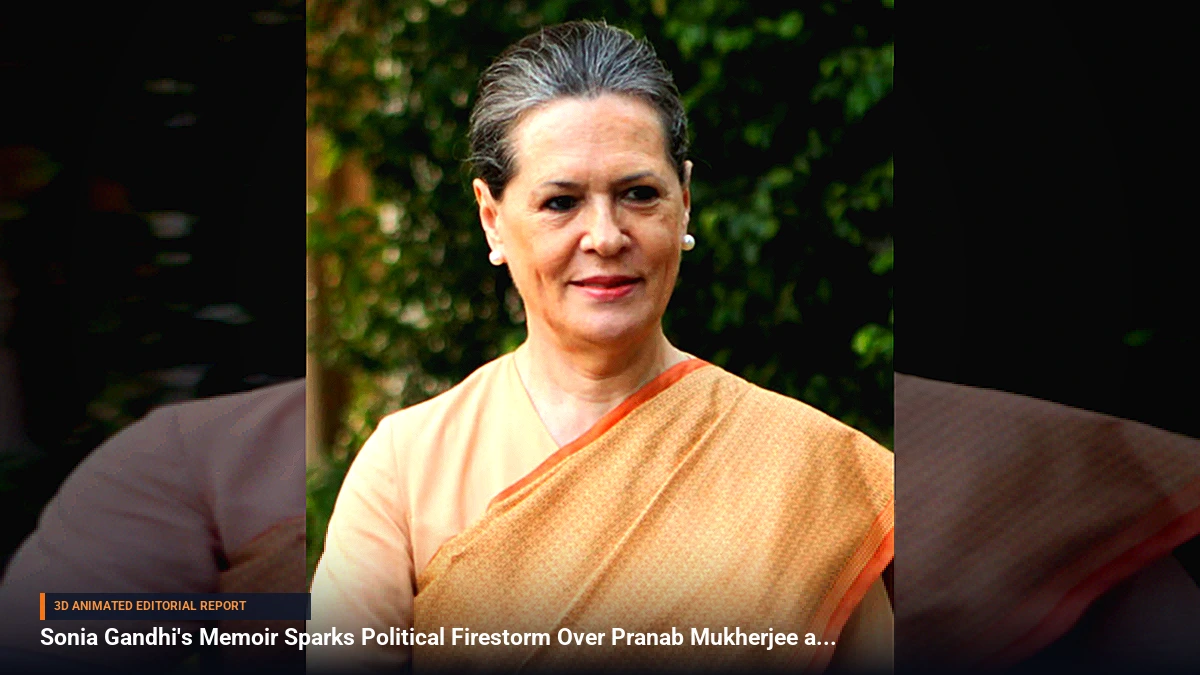
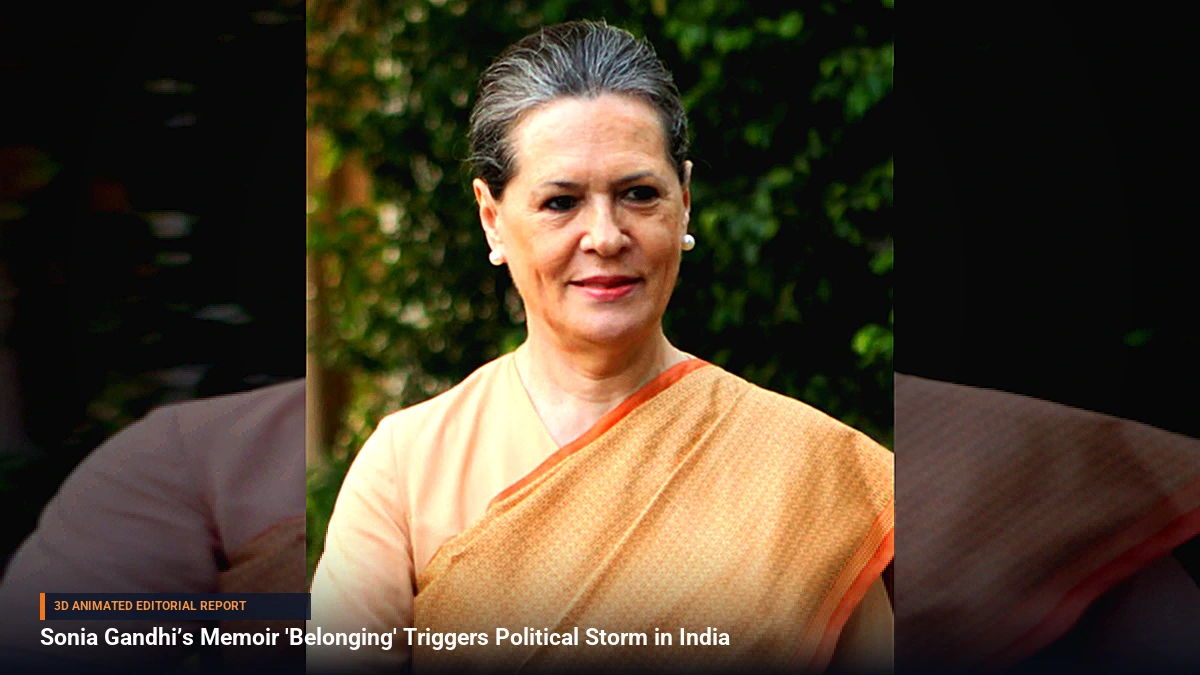
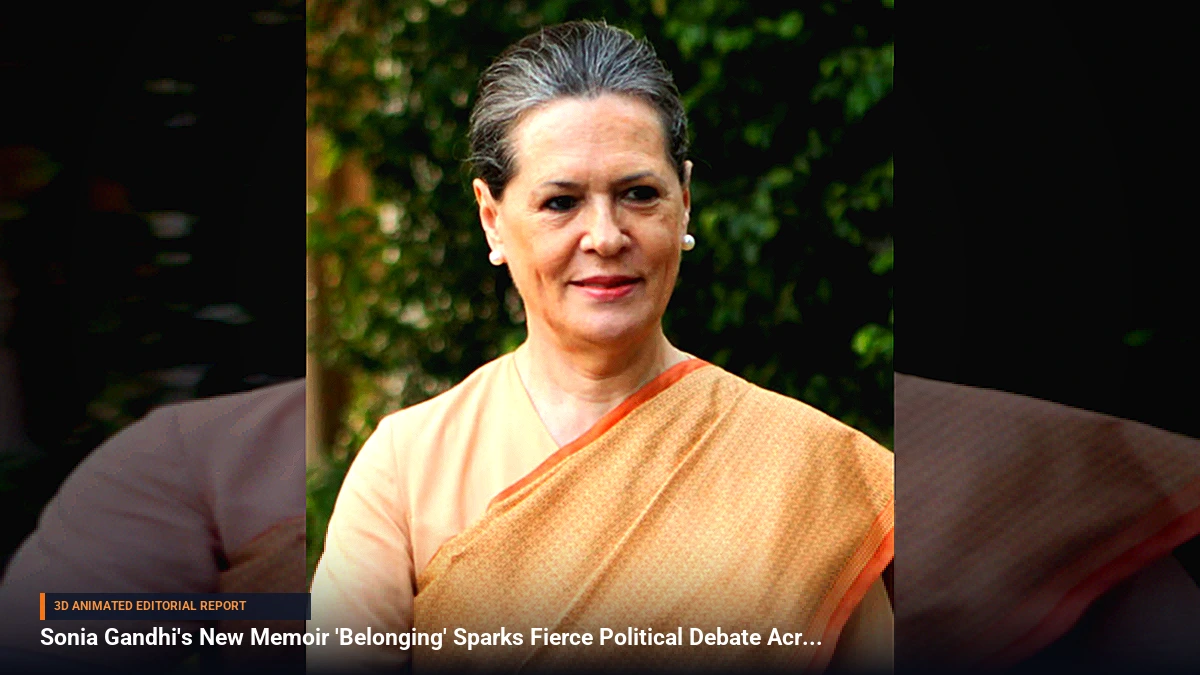
Sonia Gandhi, a towering figure in modern Indian politics, has released her memoir titled 'Belonging: A Journey Of Love', sending immediate ripples across the political landscape. In the book, Gandhi recounts pivotal historical moments, including a striking 2010 conversation with veteran Congress leader Pranab Mukherjee. According to the memoir, Mukherjee suggested that it might be an opportune time for a "change at the top" concerning then-Prime Minister Manmohan Singh.
Furthermore, the publication touches upon deeply emotional family chapters, such as Indira Gandhi's tearful reactions and grief following Operation Blue Star in 1984. These revelations have swiftly drawn sharp rebukes and public counter-narratives from political opponents and families of historical figures alike.
Background & Key Context
The revelations pull back the curtain on years of internal deliberations within the Congress-led United Progressive Alliance (UPA) administration. Pranab Mukherjee, widely regarded as one of India's most astute political strategists and institutional minds, served in critical ministerial portfolios before eventually ascending to the highest office in the country. Despite the political friction revealed in the 2010 anecdote, the Congress party notably nominated Mukherjee as its presidential candidate in 2012, a move that secured his tenure as India's 13th President.
Concurrently, references to Operation Blue Star have historically remained a deeply sensitive issue in Indian politics, particularly regarding the socio-political fallout in Punjab and the wider Sikh community.
Key Takeaways
- Leadership Hints: Sonia Gandhi's memoir reveals that Pranab Mukherjee shocked her in 2010 by suggesting a leadership shift at the top tier of government.
- Family Pushback: Pranab Mukherjee's daughter publicly defended her father's legacy, pointedly asking whether political ambition should be considered a crime.
- Historical Grief: The book details Indira Gandhi's emotional distress and tears following the 1984 military action known as Operation Blue Star.
- Akali Dal Rebuttal: The Shiromani Akali Dal issued a strong counter-statement, demanding accountability and criticizing the historical narrative surrounding the military operation.
- Institutional Continuity: Despite the reported 2010 tensions, the UPA leadership later championed Mukherjee as the consensus presidential candidate in 2012.
Impact, Analysis & Global/National Reactions
The memoir has transformed from a personal retrospective into a focal point for political analysis. Political commentators are evaluating the delicate power dynamics that defined the UPA era, particularly the working relationship between Sonia Gandhi, Prime Minister Manmohan Singh, and key cabinet ministers like Mukherjee.
Reactions from opposition quarters were swift. The Shiromani Akali Dal challenged the framing of Indira Gandhi's grief, arguing that political memoirs should pay deeper heed to the suffering of families affected by the tragedies of 1984. Meanwhile, defenders of Pranab Mukherjee have emphasized that political aspirations within a democratic setup are natural and should not be misconstrued as disloyalty, noting his lifelong dedication to the Indian state.
What's Next: Looking Ahead
As 'Belonging: A Journey Of Love' circulates globally, it is expected to prompt further academic and political discourse regarding the inner workings of the Indian National Congress during the turn of the 21st century. Historians, biographers, and political analysts will likely scour the text for additional clues regarding policy decisions, coalition management, and leadership succession during a crucial decade in modern Indian history.

Be the first to comment
Start a useful conversation around this story.