
What Happened: The Core Developments
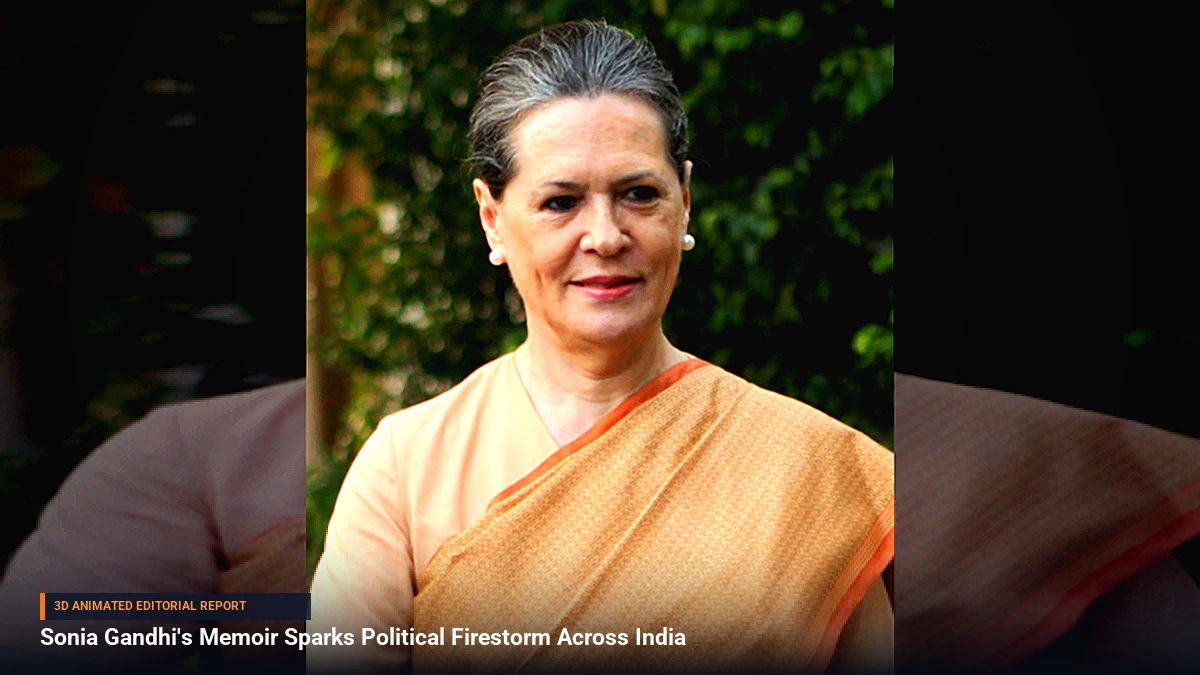
The release of former Congress president Sonia Gandhi’s highly anticipated memoir has triggered an immediate and intense political firestorm across India. While supporters and family members have rallied around the publication, describing it as an authentic personal and political account, opponents have seized upon its contents and omissions. The ruling Bharatiya Janata Party (BJP) was quick to launch a scathing critique, characterizing Gandhi as having operated as a de facto "Super PM" during the United Progressive Alliance (UPA) administration, thereby wielding unchecked executive power behind the scenes.
The fallout has extended far beyond standard party-line sparring. Regional figures and descendants of past political leaders have expressed profound outrage over how pivotal moments in modern Indian history are framed—or allegedly glossed over—within the book's pages.
Background & Key Context
Memoirs penned by major political figures in India routinely serve as battlegrounds for historical narrative control. Sonia Gandhi, who led the Indian National Congress for nearly two decades and played a central role in guiding the UPA coalition governments from 2004 to 2014, occupies a central and polarizing position in contemporary political memory. Her latest literary release was always destined for intense scrutiny, but the sharp reactions underscore deep, unhealed historical fractures regarding internal party governance, minority rights, and institutional accountability in India.
Key Takeaways
- BJP's 'Super PM' Attack: The ruling party used the memoir's release to reiterate its long-standing narrative that Sonia Gandhi exercised supreme authority over the UPA government without holding formal executive accountability.
- 1984 Riots Backlash: Shiromani Akali Dal leader Harsimrat Kaur Badal strongly criticized the text on social media, arguing that the 1984 anti-Sikh violence was relegated to a mere footnote.
- Omission of Narasimha Rao: Subhash, the grandson of former Prime Minister P.V. Narasimha Rao, slammed the memoir for completely omitting his grandfather, accusing the Gandhi dynasty of a habitual pattern of sidelining non-family leaders.
- Defense from Family: Priyanka Gandhi strongly defended her mother's work, emphasizing that Sonia Gandhi possesses every right to share her personal and political journey in her own words.
Impact, Analysis & Global/National Reactions
The political resonance of the memoir demonstrates how the battle over historical memory remains a vital instrument in contemporary Indian politics. For the BJP, highlighting the "Super PM" dynamic reinforces their core political message concerning dynastic governance and extra-constitutional authority. Simultaneously, the criticism from regional and factional voices highlights the persistent friction within the broader opposition ecosystem regarding how the Congress party records its own history.
Prominent regional leaders have argued that historical trauma, such as the 1984 anti-Sikh pogroms, demands substantive acknowledgement rather than brief editorial asides. Harsimrat Kaur Badal underscored this sentiment on the platform X, stating emphatically that "Punjab will never forget, never forgive," pointing to what she views as systemic minimization of state tragedies by the national leadership.
Furthermore, the critique lodged by Narasimha Rao’s family touches upon a raw nerve regarding intra-party democracy. Subhash’s public remarks accused the central leadership of deliberately obscuring the contributions of non-family stalwarts to preserve an exclusive dynastic narrative. Despite these sweeping condemnations, defenders of the Gandhi family, including Priyanka Gandhi, maintain that the memoir provides a necessary and authentic window into decades of personal sacrifice and political resilience.
What's Next: Looking Ahead
As the public discourse surrounding the memoir continues to dominate news cycles, political analysts anticipate that the book will become a focal point in ongoing debates concerning political legacies and electoral messaging. While the Congress party attempts to use the publication to humanize and honor its longtime leader, opposition parties are expected to leverage the text's omissions and characterizations in upcoming legislative sessions and regional campaign trails to challenge the party's historical record.
Be the first to comment
Start a useful conversation around this story.