
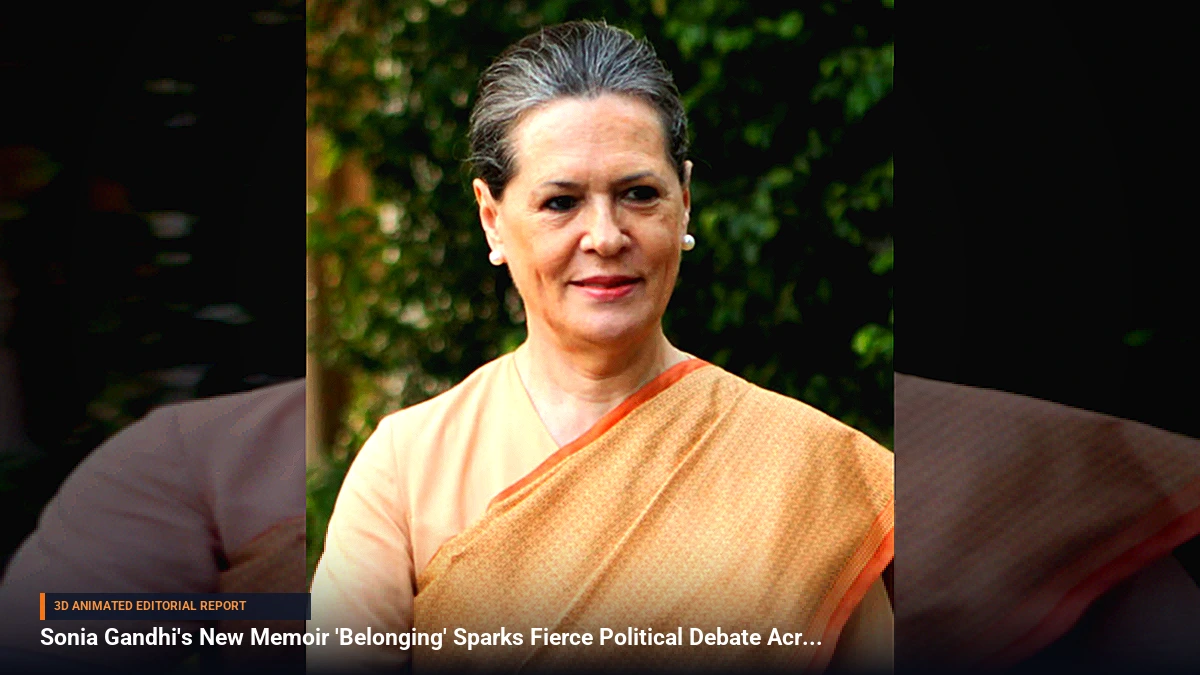
What Happened: The Core Developments
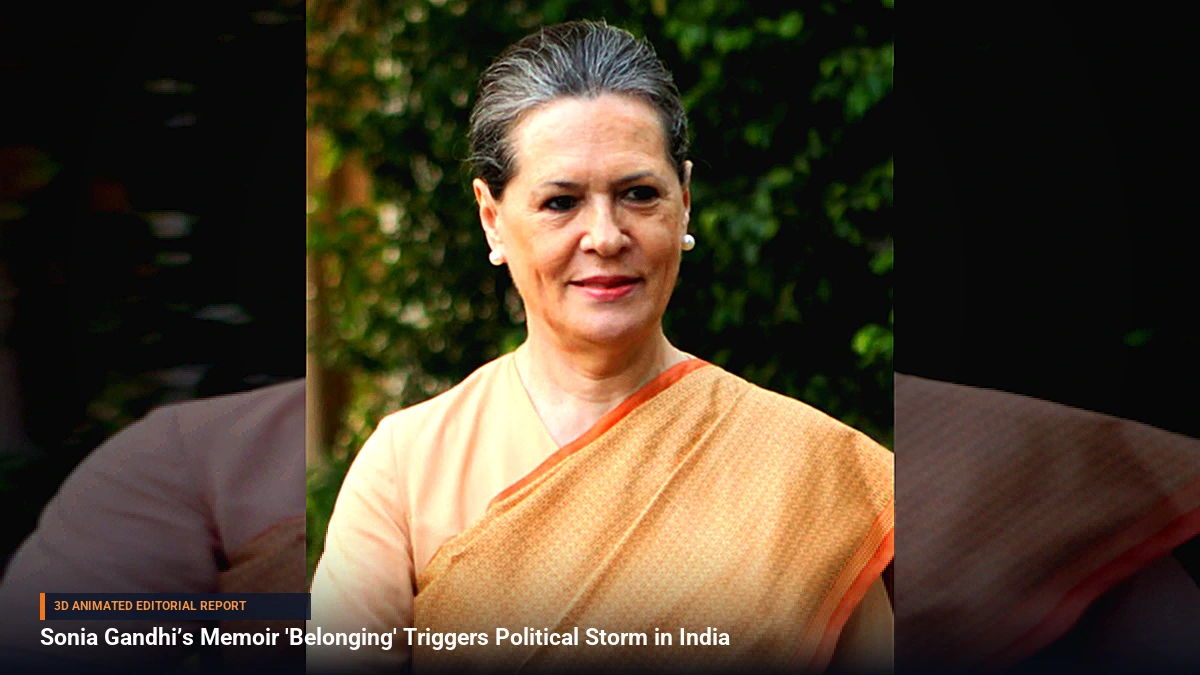
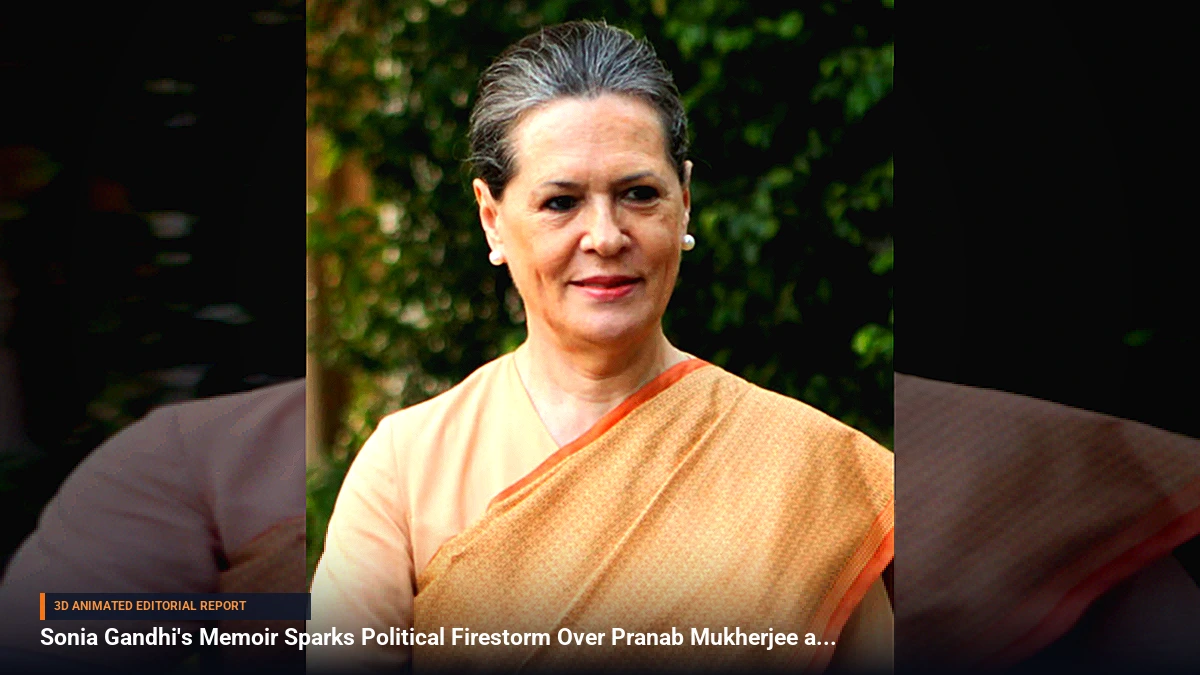
Former Indian National Congress president Sonia Gandhi has stepped out of her notoriously guarded private sphere to release her new political memoir, 'Belonging'. Published to significant global and domestic attention, the book traces her remarkable journey from a small Italian town to the highest echelons of power in New Delhi. Within the pages, Gandhi openly reflects on monumental historical moments, her deep-seated personal grief following family tragedies, and the heavy burdens of leading one of the world's most influential political dynasties.
Among the most heavily discussed sections of the publication are her revelations regarding the UPA's unexpected 2004 general election victory. Gandhi writes candidly about the intense internal conflict she experienced over whether to accept the prime ministerial office. Describing her state of mind, she notes that while one part of her rejected the position outright, another part appealed to her sense of duty, even as she wrestled with the profound absence of her late husband, Rajiv Gandhi.
Background & Key Context
Sonia Gandhi's life has been inextricably linked with the modern history of independent India. Her memoir revisits the devastating assassinations of her mother-in-law, Indira Gandhi, and her husband, Rajiv Gandhi, detailing the atmosphere of perpetual fear and grief that surrounded her household. The book also touches upon complicated intra-family dynamics, including her relationship with Maneka Gandhi—referred to as 'Choti Bahu'—and her reflections on why she ultimately chose not to block her son Rahul Gandhi's entry into active electoral politics.
Historically, the Congress party's narrative of events like the 1975–1977 Emergency and the 1984 anti-Sikh riots has faced stringent opposition. By addressing these eras in her memoir, Gandhi has brought these long-standing national debates back to the forefront of contemporary Indian political discourse.
Key Takeaways
- The 2004 Prime Ministerial Dilemma: Gandhi details the internal tug-of-war she faced between personal instinct and political duty following the UPA's surprise electoral triumph.
- Dynastic Tragedies: The memoir sheds fresh light on the harrowing aftermath of Indira Gandhi's and Rajiv Gandhi's assassinations.
- Family Dynamics: Gandhi addresses her bittersweet relationships within the extended family, including her interactions with Maneka Gandhi.
- Rahul Gandhi's Political Plunge: The author explains her lack of resistance toward her son entering public service, noting his early exposure to rural realities.
- Immediate Political Fallout: The release has intensified ideological fault lines, drawing swift condemnation from the ruling BJP.
Impact, Analysis & Global/National Reactions
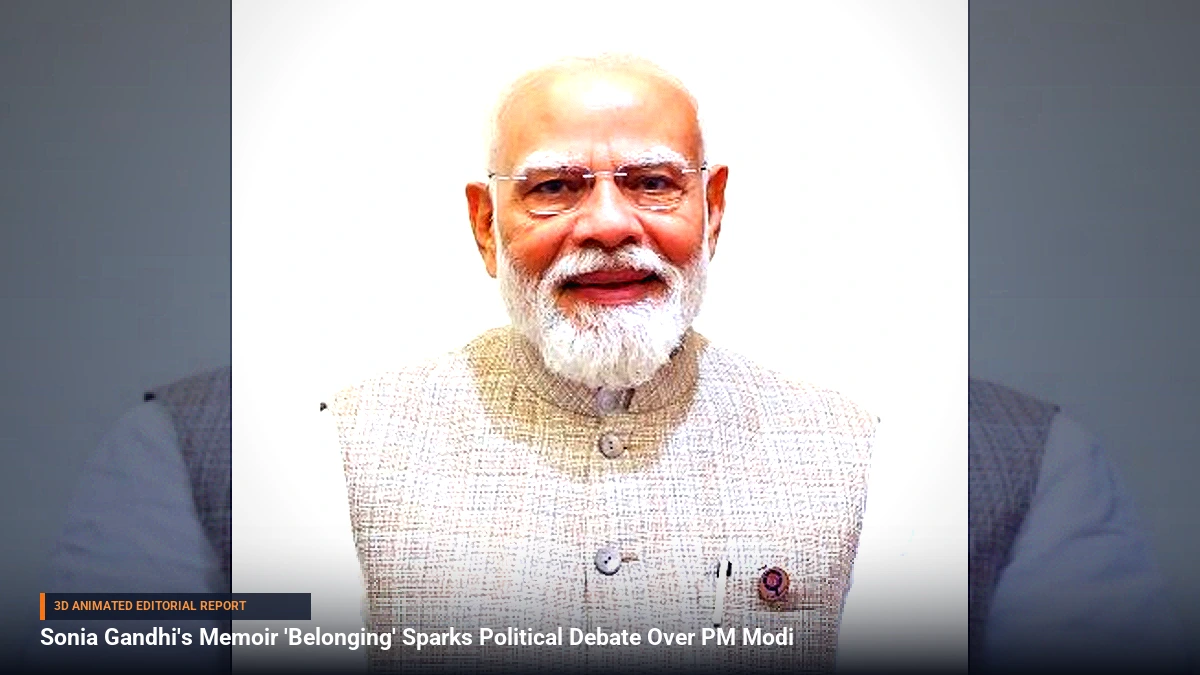
The release of Belonging has amplified political polarization in New Delhi. The ruling Bharatiya Janata Party (BJP) was quick to respond, aggressively criticizing the memoir. Prominent BJP figures labeled sections of the book as an exercise in "whitewashing," arguing that Gandhi attempts to reframe or justify dark chapters of Indian democratic history, notably the Emergency and the 1984 anti-Sikh riots.
Political analysts note that while the memoir humanizes a famously reclusive leader, it also hands political ammunition to her adversaries. By revisiting contentious historical milestones, Gandhi has ensured that her personal narrative intersects directly with ongoing electoral narratives.
What's Next: Looking Ahead
As Belonging circulates globally and dominates bestseller lists, its cultural and political fallout is expected to reverberate through upcoming parliamentary sessions and political campaigns. Opposition and ruling party spokespersons are likely to spar further over the historical interpretations presented in the book, making it a focal point of discussion on India's complex political trajectory.


Be the first to comment
Start a useful conversation around this story.