
What Happened: The Core Developments
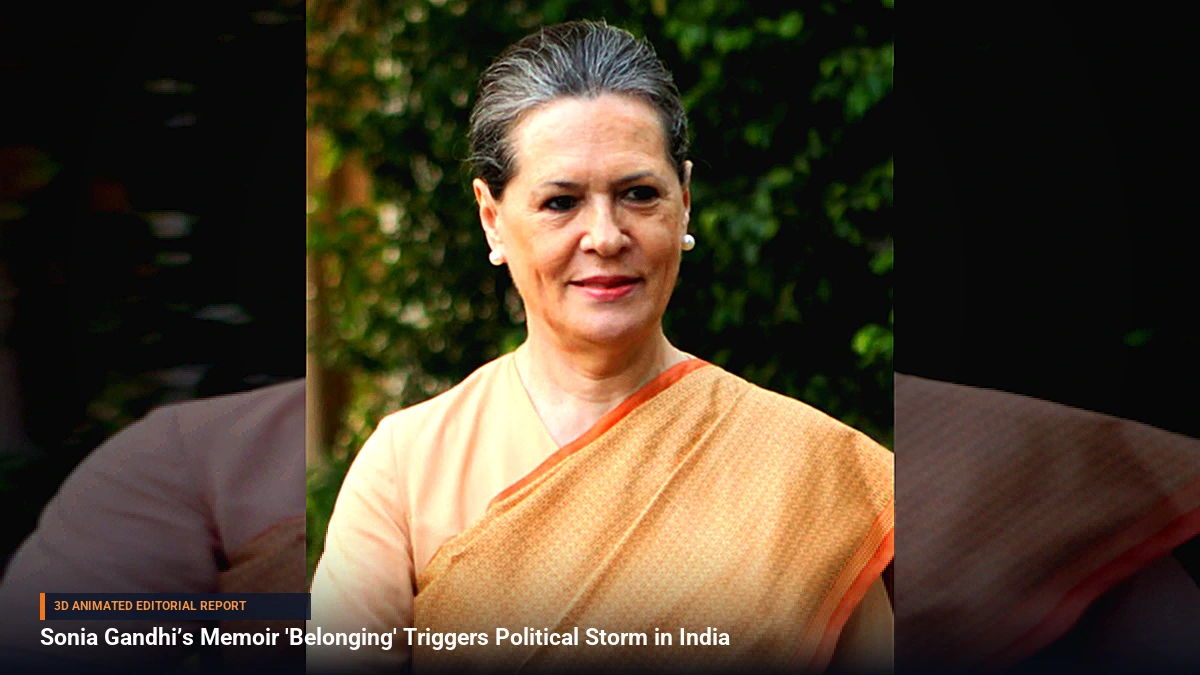
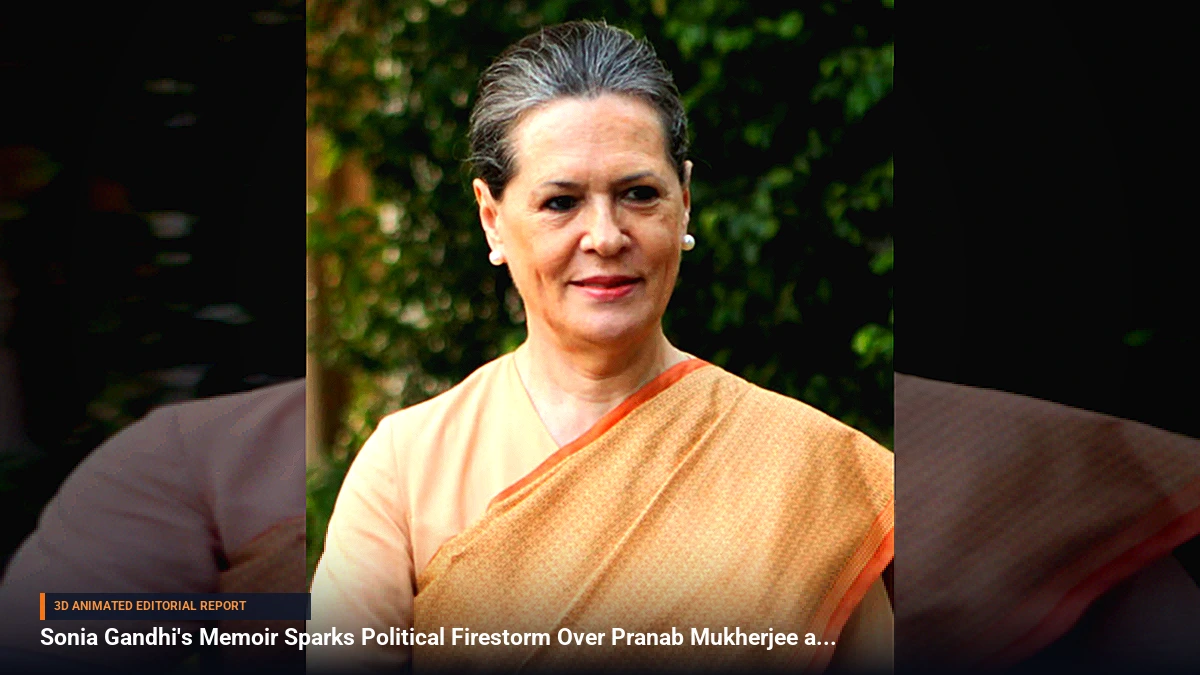
Former Congress President Sonia Gandhi has officially released her much-anticipated memoir, titled 'Belonging: A Journey of Love'. The book offers a rare, intimate look into her decades-long journey in Indian public life, covering landmark political epochs, personal tragedies, and her interactions with key political figures.
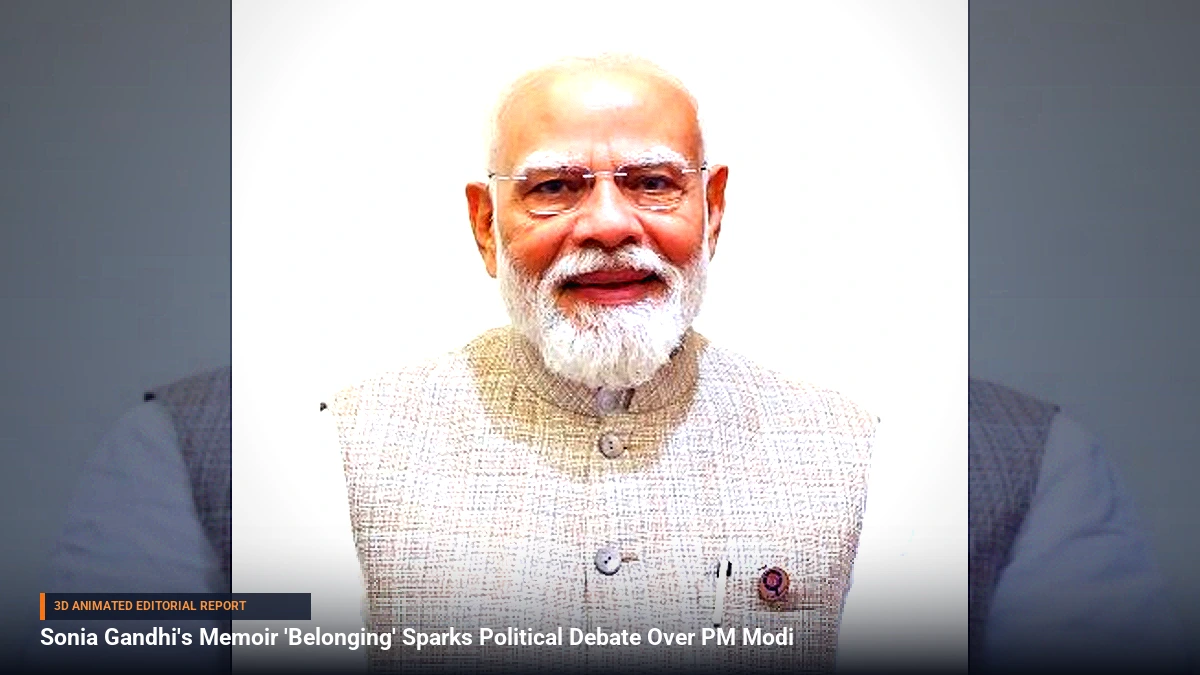
Among the most widely discussed portions of the newly launched book are her observations regarding Prime Minister Narendra Modi. Sonia Gandhi writes that despite formal greetings involving a traditional namaste, she has no real contact with the Prime Minister. She claims that PM Modi frequently avoids direct eye contact and tends to look away during their brief encounters, attributing this dynamic to deep-seated ideological conditioning rooted in the Rashtriya Swayamsevak Sangh (RSS).
The memoir also revisits several harrowing historical episodes, including her visit to Ahmedabad as the Leader of the Opposition in the Lok Sabha during the 2002 Gujarat riots. Travelling as part of an all-party parliamentary delegation, she documented the immense physical and emotional devastation faced by families housed in relief camps, describing the experience as one of the most painful memories of her political career.
Background & Key Context
Political memoirs in India have historically served as crucial tools for leaders to shape their historical legacy, contextualize past political crises, and present personal narratives outside the daily friction of parliamentary politics. Sonia Gandhi, known for maintaining a fiercely private demeanor throughout her tenure at the helm of the Indian National Congress, rarely shares personal insights or behind-the-scenes accounts of political negotiations.
Her reflections on the 2002 Gujarat riots revisit a turbulent period in contemporary Indian political history. Serving as Leader of the Opposition at the time, her ground visits to relief camps formed a central part of the opposition's critique of the state administration under then-Chief Minister Narendra Modi. By revisiting these events in print, the memoir brings long-standing political fractures back into the public discourse.
Key Takeaways
- Memoir Launch: Sonia Gandhi released her autobiography, titled 'Belonging: A Journey of Love', detailing her personal and political life.
- Observations on PM Modi: The author claims that Prime Minister Modi avoids eye contact during interactions, attributing his distance to RSS ideological conditioning.
- 2002 Gujarat Riots Recollection: The book recounts her visit to Ahmedabad relief camps as part of an all-party parliamentary delegation during the 2002 violence.
- Political Pushback: The ruling Bharatiya Janata Party (BJP) heavily criticized the publication, dismissing its narrative as an attempt at political image restructuring.
Impact, Analysis & Global/National Reactions
The release of 'Belonging' has instantly galvanized political reactions across the spectrum. While supporters view the book as an authentic and courageous chronicle of a reluctant politician navigating immense personal and national trials, critics have been swift to counter its narratives.
Leaders from the Bharatiya Janata Party launched a blistering critique of the memoir, dismissing its contents and characterizing the publication as an exercise in "whitewashing" rather than a genuine reflection of history. Spokespersons argued that the memoir glosses over historical missteps of the Congress party while selectively targeting political adversaries to revive fading electoral narratives.
Independent political analysts note that memoirs penned by central figures often function as strategic interventions in ongoing political narratives. By framing her interactions with PM Modi around personal body language and ideological conditioning, Gandhi touches upon the profound personal and ideological polarization that defines modern Indian politics.
What's Next: Looking Ahead
As copies of 'Belonging' circulate widely—with rapid retail delivery services already capitalizing on high public demand in major metropolitan areas—the book is expected to remain a prominent fixture in political discourse.
Political observers will be watching closely to see how opposition leaders leverage the book's contents in upcoming electoral campaigns and parliamentary debates. Meanwhile, literary critics and historians continue to sift through its chapters to glean deeper insights into the inner workings of India's grand old party during some of its most critical historical transitions.

Be the first to comment
Start a useful conversation around this story.