
What Happened: The Core Developments
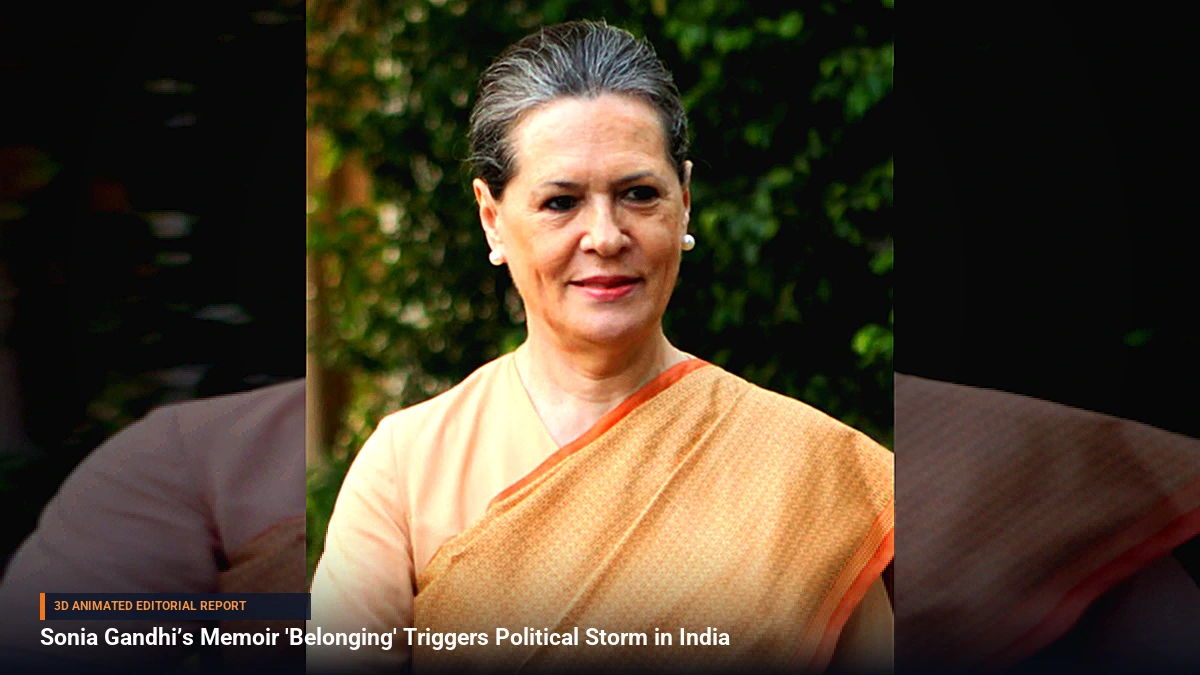
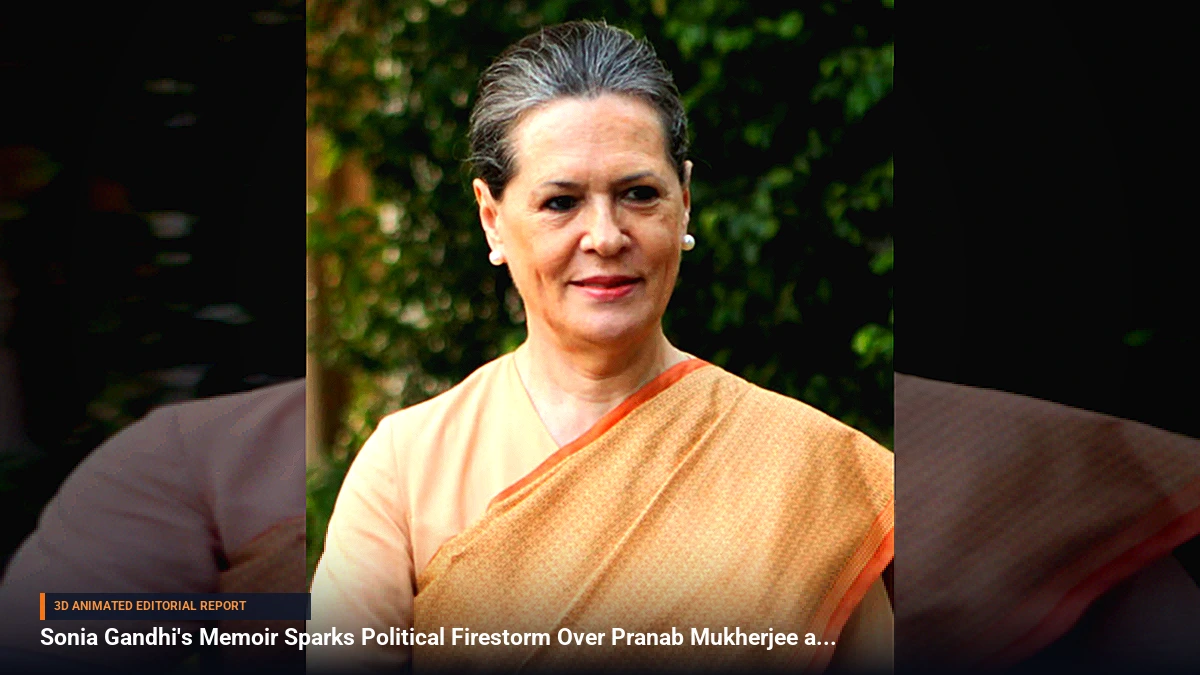
Former Congress President Sonia Gandhi has opened up about one of the most pivotal and heavily debated moments in modern Indian political history. In her recently launched memoir, 'Belonging: A Journey of Love', she recounts the internal turmoil and deliberations surrounding whether she should assume the office of the Prime Minister following the landmark 2004 general elections.
According to the book, her internal stance underwent a distinct evolution moving from an initial 'absolutely not' to a tentative 'theek hai' (it's okay) before culminating in a final, immovable 'no'. This disclosure sheds fresh light on a momentous political juncture that permanently shaped the trajectory of Indian governance.
Background & Key Context
The memoir offers readers a deeply personal look into her life, bridging her entry into India's most prominent political dynasty with the profound personal traumas she endured, including the assassination of her husband, former Prime Minister Rajiv Gandhi. She notes in the text that her persistent underlying thought following her husband's death was a grim anticipation of further violence: “My thought was always: he will be killed next.”
Beyond personal tragedies, the book revisits the high-stakes political environment of 2004, when the United Progressive Alliance (UPA) unexpected secured victory, forcing a national conversation on who would lead the country.
Key Takeaways
- The PM Post Evolution: Sonia Gandhi's decision-making journey famously transitioned from absolute refusal to conditional acceptance, before firmly settling on a definitive rejection.
- Dynastic Realities: The memoir confronts head-on the burdens, risks, and personal costs of marrying into India's leading political family.
- Historical Trauma: Gandhi reflects candidly on the constant shadow of assassination and security threats surrounding her household.
- Immediate Controversy: The release has triggered intense polarization, quickly becoming a major focal point of political discourse in New Delhi.
Impact, Analysis & Global/National Reactions
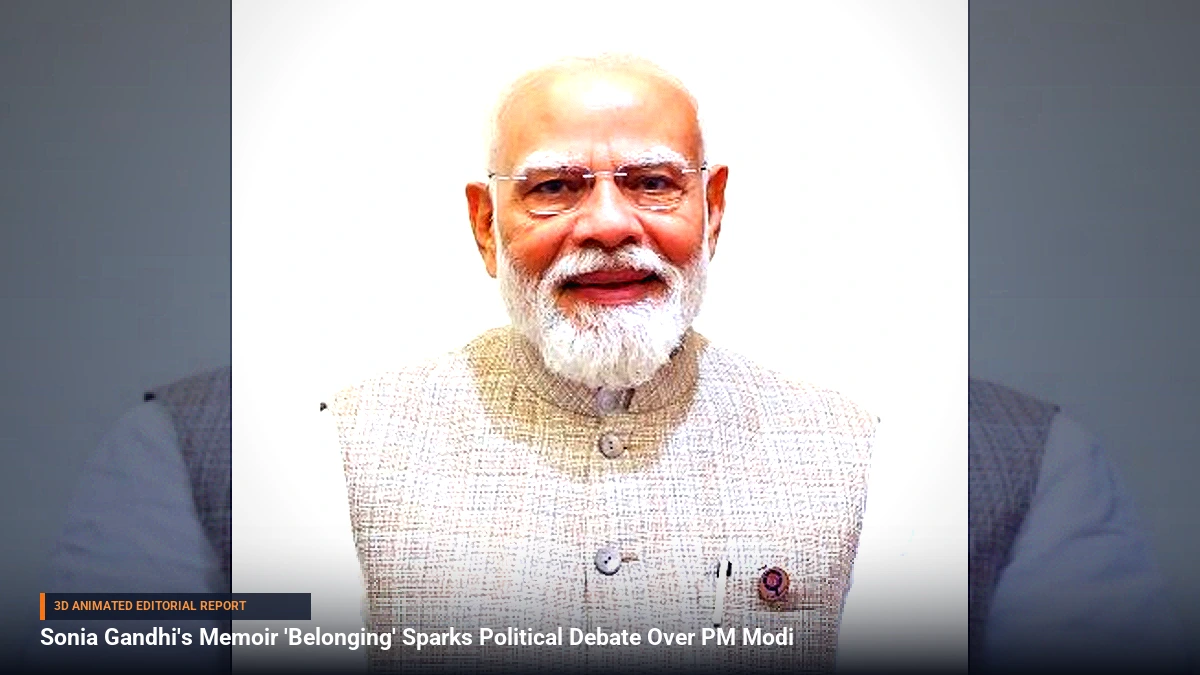
As anticipated, the publication of 'Belonging' has transformed into an immediate political battlefield. The ruling Bharatiya Janata Party (BJP) launched sharp criticisms against the text, dismissing its contents as an exercise in political 'whitewashing' designed to recast historical narratives in a favorable light.
Conversely, the Indian National Congress mounted a robust defense of its former leader and the memoir's contents. Senior party figures countered the BJP's attacks with assertions that critics should thoroughly read the book rather than resorting to reactionary political shouting matches. Meanwhile, bibliophiles and political analysts have rushed to secure copies, driving high commercial demand and ensuring the book sits at the center of public attention.
What's Next: Looking Ahead
As public discourse surrounding 'Belonging' continues to unfold, the book is expected to remain a critical reference point for historians and political analysts studying the UPA era. Future promotional tours, literary festivals, and academic reviews will likely dissect the deeper implications of Gandhi's disclosures, keeping the 2004 succession debate alive in contemporary Indian politics.


Be the first to comment
Start a useful conversation around this story.