

What Happened: The Core Developments
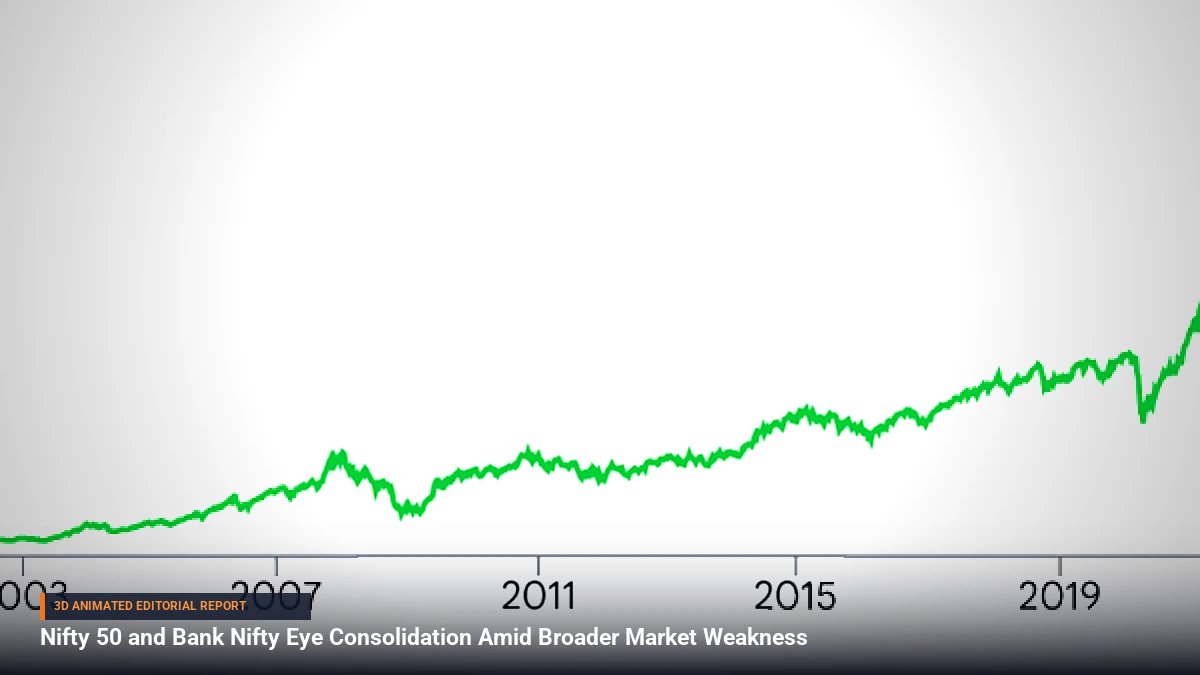
Dalal Street witnessed one of its sharpest downturns in recent months, as equity markets crashed significantly during the trading session. The benchmark BSE Sensex plummeted by approximately 1,247 to 1,248 points, wiping out massive investor wealth and closing well deep in the red. Simultaneously, the broader NSE Nifty retreated sharply, breaching key psychological thresholds to settle below the 23,100 mark at 23,063.
The intense selling pressure dragged both major indices to multi-month lows, marking a stark reversal of sentiment. Financial counters, heavily weighted across both exchanges, bore the brunt of the bearish momentum as market participants aggressively squared off positions across multiple sectors.
Background & Key Context
The dramatic slide on Dalal Street did not occur in a vacuum; it was the culmination of mounting global macroeconomic pressures and unexpected domestic policy headwinds. For weeks, emerging markets have grappled with the spillover effects of shifting monetary policies in advanced economies. Coupled with volatile energy supply chains, Indian equities found themselves acutely vulnerable to external shocks.
Compounding these external stresses were sudden regulatory developments within the domestic financial landscape. Proposed framework changes by the Insurance Regulatory and Development Authority of India (IRDAI) introduced fresh compliance and operational uncertainties, triggering heavy sell-offs in financial and insurance-linked equities.
Key Takeaways
- Major Index Plunge: The BSE Sensex lost between 1,247 and 1,248 points, marking a severe single-day correction.
- Nifty Breakdown: The NSE Nifty tumbled 1.64% to settle below the critical 23,100 threshold at 23,063.
- Multi-Month Lows: Indian stock markets officially touched a three-month low during the volatile session.
- Primary Catalysts: Analysts attributed the crash to spiking global crude oil prices, rising US bond yields, and regulatory updates from IRDAI.
- Financial Sector Strain: Insurance and finance-related counters experienced severe downward corrections as policy concerns gripped institutional investors.
Impact, Analysis & Global/National Reactions
Market strategists pointed out that the intersection of commodity inflation and tightening global liquidity created a hostile environment for risk assets. The surge in international crude prices directly threatens India's import bill, fiscal deficit, and currency stability, raising alarms among macroeconomic analysts.
Furthermore, the upward trajectory of US bond yields has intensified capital outflow fears, drawing foreign institutional investments away from emerging markets like India in favor of safer, higher-yielding Western debt instruments. Meanwhile, the IRDAI proposals sparked immediate anxiety regarding the future profitability and capital structures of domestic insurance providers, leading to sharp localized corrections.
What's Next: Looking Ahead
As Dalal Street digests the fallout of this sharp correction, market participants are closely monitoring global crude benchmarks and upcoming US macroeconomic data releases that dictate Federal Reserve policy trajectories. Domestically, investors will be keeping a close watch on further clarifications or revisions from the IRDAI regarding insurance sector regulations. Technical analysts emphasize that holding the 23,000 level on the Nifty will be crucial for any potential recovery of bullish momentum in the near term.



Be the first to comment
Start a useful conversation around this story.