
What Happened: The Core Developments
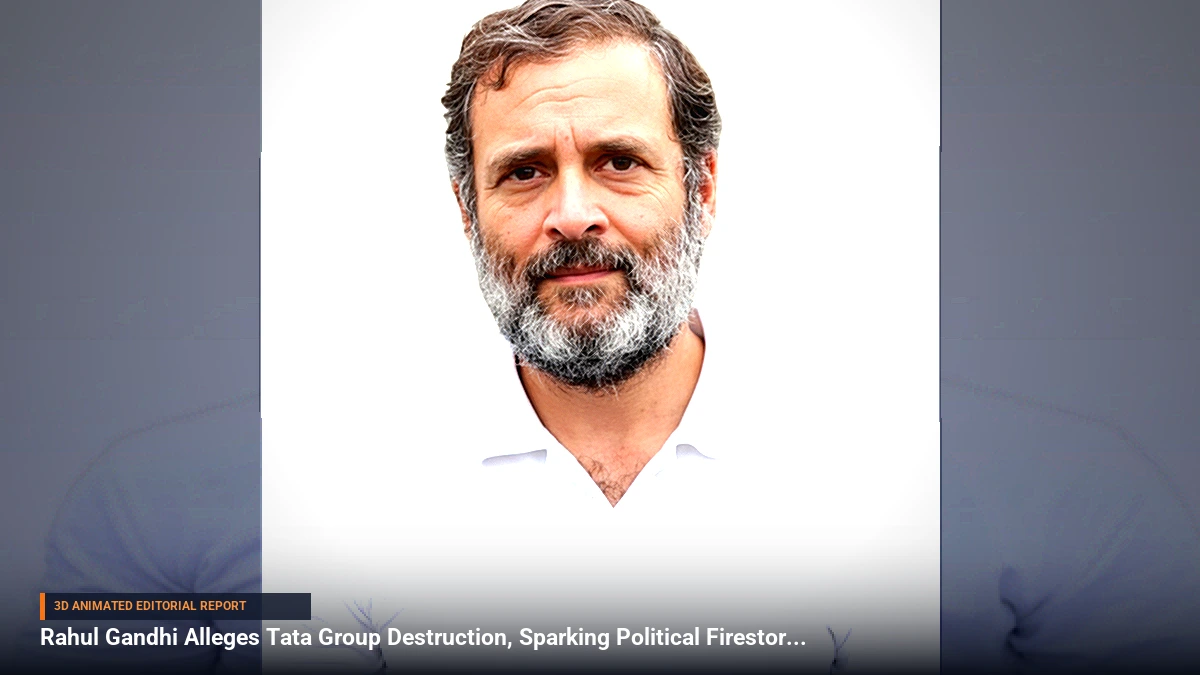
Indian political circles were jolted after senior opposition leader Rahul Gandhi launched a scathing attack, alleging that the iconic Tata Group is being "criminally destroyed" against the backdrop of an intense internal boardroom battle. Taking to social media, Gandhi did not mince words, directly targeting Prime Minister Narendra Modi and Home Minister Amit Shah while raising serious questions about the overarching corporate environment in India.
Furthermore, Gandhi openly criticized India Inc. and prominent business leaders for maintaining what he termed a deafening silence regarding the state of affairs at one of the country's oldest and most prestigious conglomerates. His remarks have instantly thrust corporate governance and the perceived pressures on private enterprises into the national political spotlight.
Background & Key Context
The Tata Group, a titan of Indian industry and a cornerstone of the nation's economic architecture, has recently experienced internal boardroom tensions and leadership scrutiny. While corporate power struggles within major conglomerates are typically handled through private legal channels and internal governance boards, the infusion of high-stakes political commentary has elevated the issue from a corporate board dispute to a major national debate.
The opposition's framing attempts to connect corporate instability directly to executive policy and government overreach, a narrative that has historically drawn sharp rejoinders from the ruling administration regarding economic stewardship and market autonomy.
Key Takeaways
- Severe Allegations: Rahul Gandhi claimed that the Tata Group is undergoing targeted and criminal destruction.
- High-Level Targets: The opposition leader explicitly invoked Prime Minister Narendra Modi and Home Minister Amit Shah in his critique.
- Corporate Silence: Gandhi questioned why leading figures in India Inc. have remained silent amidst the ongoing corporate dispute.
- Government Backlash: Finance Minister Nirmala Sitharaman swiftly condemned the statements, accusing the opposition of manufacturing distrust.
Impact, Analysis & Global/National Reactions
The political fallout was swift. Union Finance Minister Nirmala Sitharaman strongly rebuked Rahul Gandhi’s assertions, labeling his commentary as an irresponsible attempt to spread distrust and economic toxicity across the nation. Government defenders argue that such sweeping allegations undermine investor confidence and politicize standard corporate governance matters.
Market analysts and economic observers note that dragging legacy conglomerates into partisan political crossfire risks introducing unnecessary volatility. Business leaders, caught between political maneuvering and maintaining operational stability with state regulators, have largely refrained from public commentary, validating Gandhi's observation regarding corporate reticence.
What's Next: Looking Ahead
As the political duel intensifies, attention will likely shift back to the internal mechanisms of the Tata Sons board and how leadership handles the underlying boardroom dispute. Observers will closely monitor whether India Inc. breaks its silence or if regulatory bodies issue statements to reassure domestic and international investors about the resilience and independence of India's corporate sector.



Be the first to comment
Start a useful conversation around this story.