
What Happened: The Core Developments
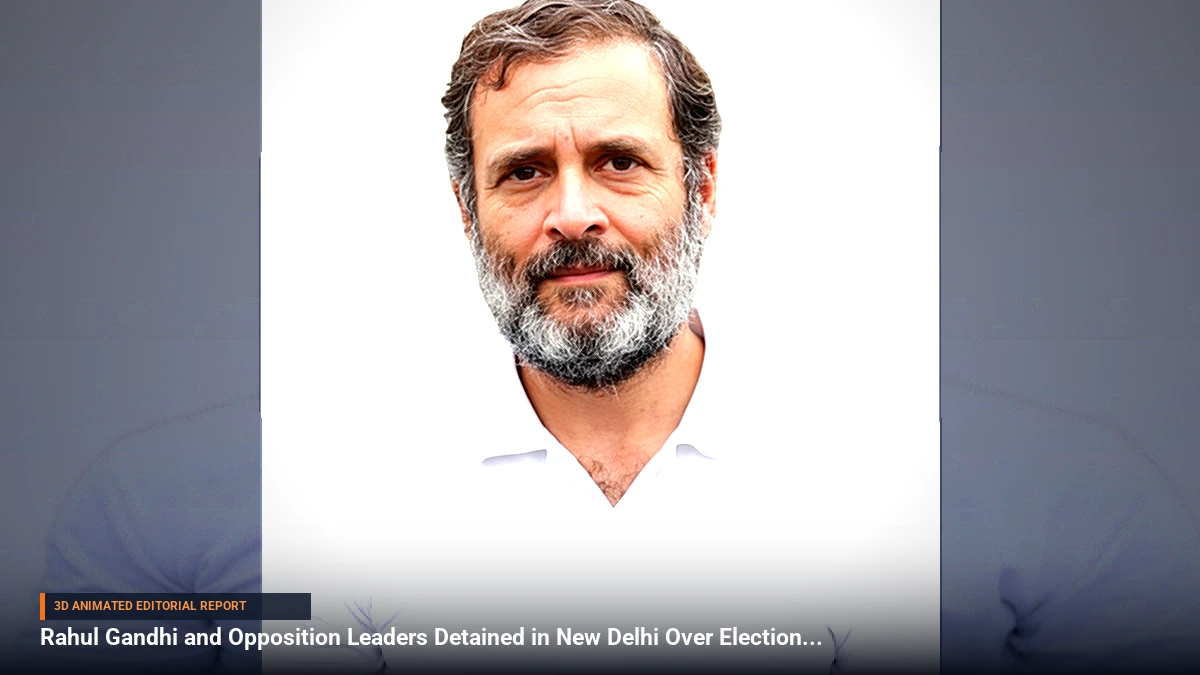
In a strongly worded political intervention, prominent opposition figure Rahul Gandhi has launched a scathing critique against the Election Commission of India (ECI). His remarks follow regulatory actions that resulted in the freezing of the Trinamool Congress (TMC) party symbol amid internal disputes. Gandhi did not mince words, characterizing these administrative interventions as acts of structural theft and explicitly linking them to broader concerns regarding institutional integrity and democratic fairness in the country.
Throwing his weight firmly behind West Bengal Chief Minister and Trinamool Congress supremo Mamata Banerjee, Gandhi emphasized that the challenges facing her party are part of a larger, systemic pattern. By drawing connections to earlier disputes involving the Shiv Sena and the Nationalist Congress Party (NCP)—where factions split and engaged in prolonged battles over official party names and electoral symbols—the opposition leader argued that independent constitutional bodies are being weaponized to diminish regional political forces.
Background & Key Context
The autonomy and neutrality of India's election watchdog have increasingly found themselves at the epicenter of intense political polarization. Over recent years, multiple regional parties have experienced severe organizational disruptions following internal factional feuds. In accordance with established statutory guidelines, the ECI has routinely intervened to adjudicate symbol and nomenclature disputes based on legislative majorities and organizational support. However, opposition parties have consistently maintained that these rulings disproportionately favor the ruling central administration, effectively disenfranchising grassroots political movements.
The latest flashpoint involving the Trinamool Congress has reignited fiery debates concerning regulatory oversight. While legal experts often view symbol freezes as a standard neutral mechanism to prevent voter confusion during leadership crises, critics argue that the timing and ultimate outcomes of such decisions profoundly alter electoral dynamics to the detriment of opposition-led states.
Key Takeaways
- Direct Accusations: Rahul Gandhi accused the Election Commission of direct collusion with the ruling party, utilizing strong rhetoric surrounding institutional "theft."
- Broader Pattern Identified: The opposition leader linked the TMC symbol freeze directly to past disputes affecting other prominent opposition-aligned regional entities like Shiv Sena and the NCP.
- Solidarity with Mamata Banerjee: Gandhi publicly backed the Trinamool chief, framing her current political struggle not as an isolated incident, but as a collective battle for democratic survival.
- Core Slogans: The critique introduced sharp thematic narratives, connecting administrative symbol management directly to allegations of compromised electoral processes.
Impact, Analysis & Global/National Reactions
The escalating war of words highlights a deepening trust deficit between major opposition stakeholders and India's vital democratic institutions. Critics of the ECI argue that public perception of neutrality is just as important as statutory compliance, and continuous allegations of political bias threaten to erode public confidence in electoral outcomes. Conversely, defenders of the poll panel maintain that the commission operates strictly within the confines of constitutional frameworks, adjudicating complex property and symbol rights impartially when internal party democracy collapses.
Political analysts suggest that Gandhi's concerted effort to bridge gaps with regional leaders like Mamata Banerjee represents a strategic consolidation of opposition forces. By framing regulatory disputes as an existential threat to all regional political actors, the opposition aims to build a unified narrative ahead of forthcoming electoral battles.
What's Next: Looking Ahead
As legal and administrative challenges surrounding the TMC symbol dispute wind through respective forums, all eyes remain on how the Election Commission manages ongoing petitions and internal party submissions. The political fallout from these interventions is expected to reverberate across upcoming legislative sessions and campaign trails, ensuring that the debate over the independence of India's democratic watchdogs remains at the forefront of national discourse.

Be the first to comment
Start a useful conversation around this story.