
What Happened: The Core Developments
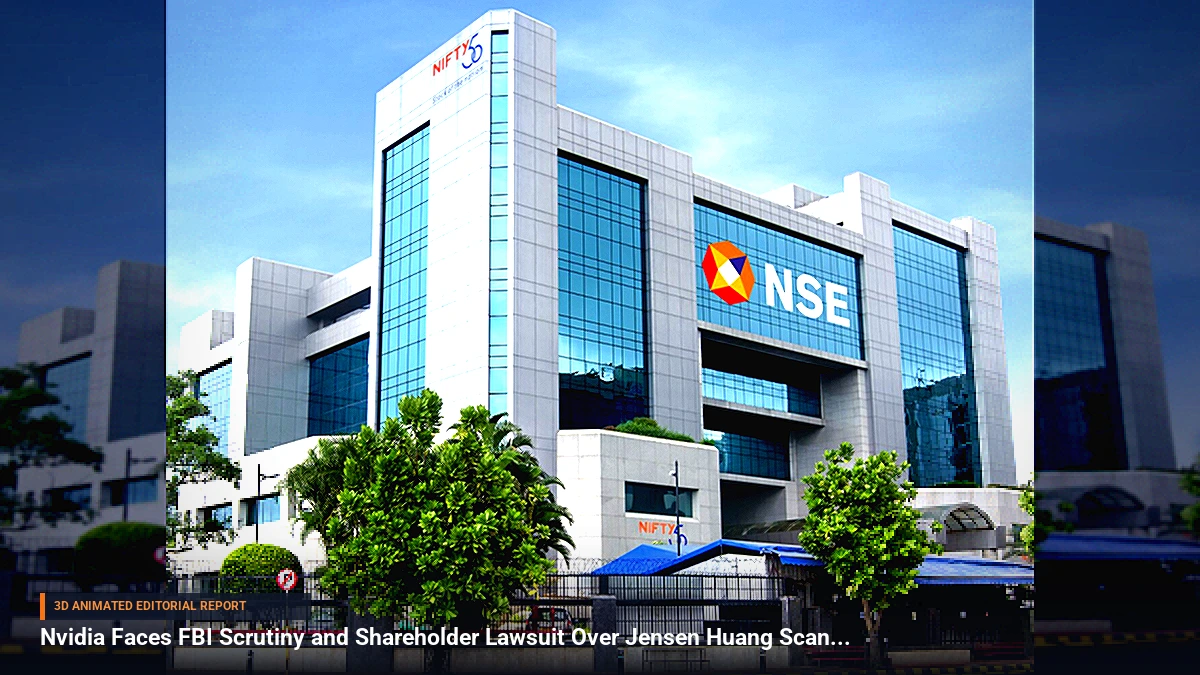
The post-Diwali festive period in India brings a distinct shift in the operational cadence of the country's financial ecosystem. Major financial institutions, including the National Stock Exchange (NSE) and the Bombay Stock Exchange (BSE), routinely observe scheduled trading holidays to mark key celebratory dates such as Diwali Balipratipada. These closures follow closely on the heels of specialized ceremonial sessions like the symbolic Muhurat trading window, creating a unique rhythm for institutional investors and retail traders alike.
Concurrently, commercial and cooperative banking institutions experience staggered closures across various jurisdictions. According to regulatory schedules provided by the Reserve Bank of India (RBI), regional branches in multiple states suspend standard operations to accommodate local and cultural festivals celebrated immediately following the core Diwali festivities.
Background & Key Context
The alignment of financial holidays with traditional Indian festivals is a well-established mechanism designed to respect cultural observances while ensuring transparent market settlements. Historically, exchange calendars are published months in advance, allowing institutional stakeholders to manage liquidity, clear trades, and adjust portfolios ahead of consecutive non-business days.
Regional banking holidays introduce an extra layer of complexity. Because holidays like Bhai Dooj, Ningol Chakkouba, Lakshmi Puja, and Chitragupt Jayanti hold varying degrees of regional significance, closures are rarely uniform nationwide. Instead, the RBI mandates state-specific holiday lists that empower local governance and banking administrators to align branch availability with regional cultural calendars, ensuring community participation without causing systemic settlement gridlocks.
Key Takeaways
- Stock Exchange Schedules: Both the NSE and BSE observe calculated closures for prominent post-Diwali milestones like Diwali Balipratipada.
- Staggered Regional Banking: Commercial banks in designated states shutter their physical brick-and-mortar operations based on local festive calendars.
- Regulatory Oversight: The Reserve Bank of India (RBI) orchestrates state-by-state holiday notifications to maintain transparency and predictability for account holders.
- Digital Continuity: While physical branches close for regional festivals, digital banking channels, automated teller machines (ATMs), and Unified Payments Interface (UPI) networks generally maintain uninterrupted service.
Impact, Analysis & Global/National Reactions
Market analysts note that short-term trading halts and regional banking closures have minimal long-term impact on overall macroeconomic liquidity, provided they are communicated well in advance. Market participants often adjust their trading volumes ahead of long weekends, factoring in potential volatility upon reopening.
"Predictability is the cornerstone of modern market infrastructure," noted a senior financial regulatory analyst. "When exchanges and regulatory bodies outline holiday calendars meticulously, algorithmic traders, institutional desks, and retail participants can seamlessly hedge positions and manage overnight risk without destabilizing broader asset valuations."
State-level banking closures similarly prompt shifts in consumer behavior, accelerating the adoption of digital financial services. As physical branches close their doors for regional observances, citizens increasingly rely on digital platforms for routine transactions, reinforcing the ongoing digitization of India's economy.
What's Next: Looking Ahead
As the remainder of the calendar year unfolds, market participants and banking customers must continue monitoring official exchange circulars and RBI notifications for upcoming year-end closures. With global markets increasingly interconnected, domestic exchanges and clearing corporations remain focused on synchronizing their holiday schedules with international settlement cycles to minimize cross-border friction during festive seasons.




Be the first to comment
Start a useful conversation around this story.