
What Happened: The Core Developments
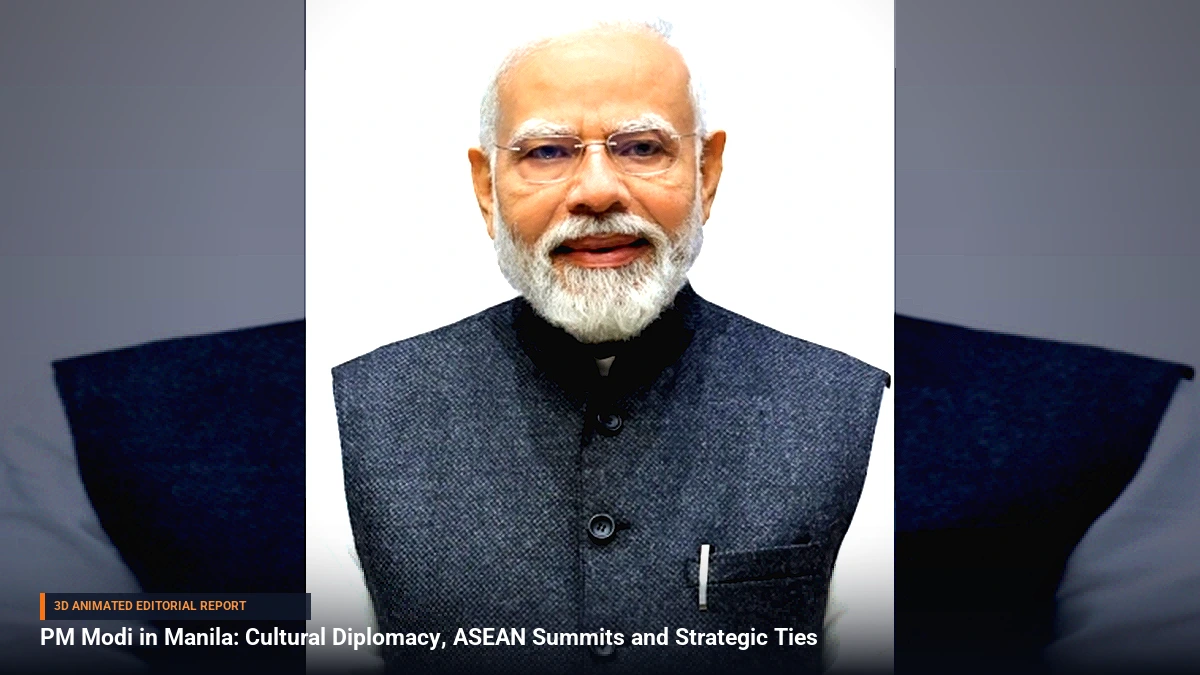
Prime Minister Narendra Modi undertook a significant diplomatic visit to Manila, Philippines, anchoring his agenda on high-stakes multilateral engagements and deep-rooted cultural connections. During the tour, PM Modi actively participated in the 23rd ASEAN-India Summit and the 21st East Asia Summit, where regional security, economic cooperation, and post-pandemic recovery took center stage.
Beyond formal geopolitical talks, the visit featured notable cultural and community milestones. PM Modi visited the historic Gurudwara Khalsa Diwan in Manila, where he offered prayers and participated in the foundation stone-laying ceremony for the redevelopment of the Philippines' oldest gurudwara. Later, he donned traditional Philippine attire for the presidential gala dinner, capping off the evening by watching a cultural performance of the Ramayana, highlighting the deep civilizational ties shared between India and Southeast Asia.
Background & Key Context
India's diplomatic outreach to the Association of Southeast Asian Nations (ASEAN) is a foundational pillar of its Act East Policy, which seeks to forge robust economic, strategic, and cultural bonds with nations in the Indo-Pacific region. Over recent years, maritime security, freedom of navigation, and resilient supply chains have transformed these annual summits into critical forums for counterbalancing regional hegemonies.
The inclusion of community-centric engagements—such as visiting the Filipino-Sikh diaspora—underscores New Delhi's strategy of leveraging the Indian diaspora as ambassadors of soft power. Furthermore, cultural touchstones like the local adaptation of the Ramayana serve as living reminders of historical interactions spanning millennia across the maritime trade routes of South and Southeast Asia.
Key Takeaways
- Multilateral Engagement: PM Modi represented India at both the 23rd ASEAN-India Summit and the 21st East Asia Summit in Manila.
- Diaspora Outreach: The Prime Minister visited the historic Gurudwara Khalsa Diwan, spearheading redevelopment initiatives for the local Sikh community.
- Soft Power Diplomacy: PM Modi embraced traditional Filipino attire during the presidential gala dinner and enjoyed a local performance of the Ramayana.
- Strategic Focus: Discussions centered heavily on maintaining regional peace, stability, and mutual cooperation in the Indo-Pacific theatre.
Impact, Analysis & Global/National Reactions
International analysts have noted that the Manila visit serves multiple strategic vectors. By balancing high-level defense and economic dialogues with culturally resonant community visits, New Delhi projects an image of inclusive leadership. During his addresses, PM Modi emphasized that the modern world requires "cooperation, not competition," a sentiment that resonated strongly with regional leaders navigating complex geopolitical realignments.
Foreign policy experts suggest that strengthening ties with nations like the Philippines is vital for India's Indo-Pacific security architecture. Institutional responses from regional stakeholders praised India's commitment to multilateralism, emphasizing that deeper economic integration between India and ASEAN economies remains a vital counterweight to global economic uncertainties.
What's Next: Looking Ahead
As the dust settles on the Manila summits, diplomatic channels are expected to translate broad summit declarations into concrete bilateral agreements. Observers will be closely monitoring upcoming ministerial-level follow-ups, particularly regarding maritime security frameworks, defense supply agreements, and bilateral trade pacts. The momentum generated by these summits sets a collaborative tone for upcoming regional dialogues throughout the year.


Be the first to comment
Start a useful conversation around this story.