
What Happened: The Core Developments
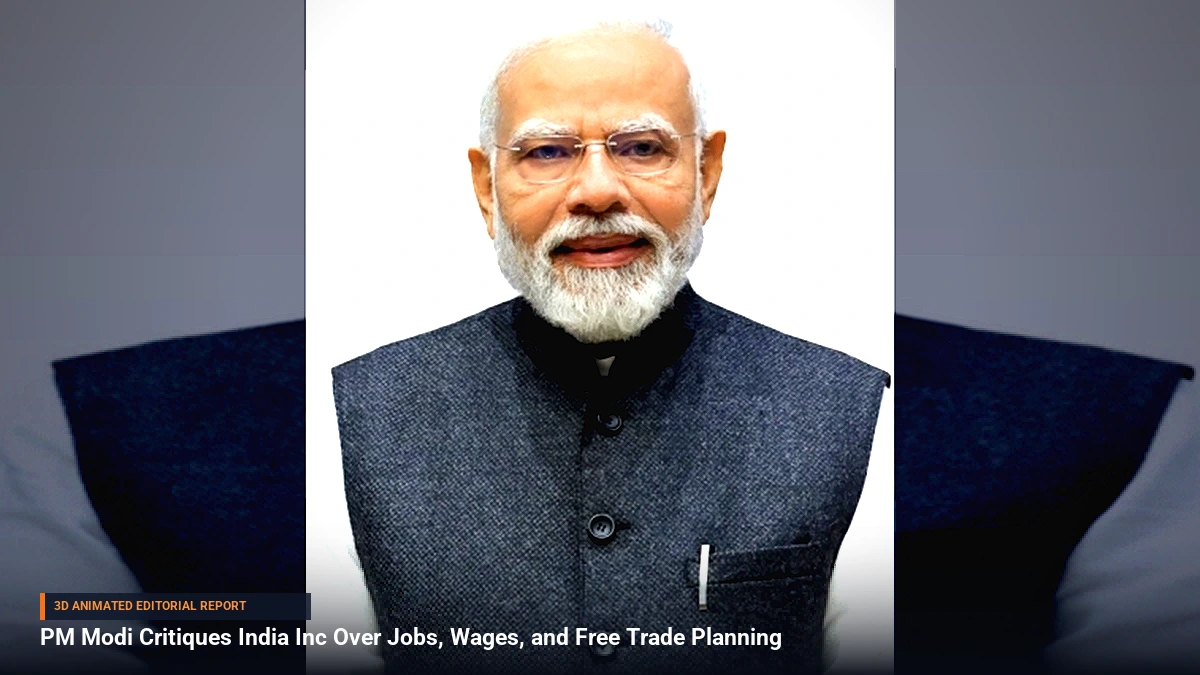
During his address at the Federation of Indian Chambers of Commerce and Industry (FICCI) Annual General Meeting and Annual Convention in New Delhi, Prime Minister Narendra Modi openly addressed the mounting friction between state policy expectations and private sector execution. The Prime Minister did not mince words, pulling up India Inc over structural shortcomings concerning the 'Make in India' framework, employment generation, worker compensation, and the persistent shortfall in global product quality standards.
Central to his address was a pointed inquiry into corporate behavior following major fiscal interventions. Mr. Modi explicitly questioned prominent industrialists regarding how the benefits of past corporate tax reductions translated into tangible outcomes for the workforce—specifically pressing them on whether those savings genuinely stimulated higher hiring rates and equitable salary increments for employees.
Background & Key Context
Over the past several years, the Indian government has introduced sweeping structural economic reforms, most notably the slashing of corporate tax rates to among the most competitive in South Asia, aimed at incentivizing private capital expenditure, driving domestic manufacturing, and expanding formal employment. However, policymakers have increasingly grown concerned that the anticipated trickle-down effects—namely robust job creation and wage growth commensurate with national GDP expansion—have lagged behind expectations.
At the same time, India's broader macroeconomic strategy hinges heavily on integrating deeper into global value chains through bilateral and multilateral Free Trade Agreements (FTAs). The government has consistently nudged domestic corporations to upgrade manufacturing capabilities and build export-oriented strategies rather than relying solely on domestic market protection. Mr. Modi's latest remarks underscore a growing impatience within the administration regarding the private sector's readiness to capitalize on these global trade corridors.
Key Takeaways
- Direct Scrutiny on Hiring & Wages: Prime Minister Modi challenged industrialists to justify corporate pay and employment metrics relative to past tax relief measures.
- Manufacturing & Quality Concerns: The 'Make in India' initiative faces internal hurdles, with leadership highlighting the urgent need for enhanced product quality control to compete globally.
- Looming FTA Preparedness Deficit: Industry leaders were criticized for inadequate proactive planning and strategic alignment concerning upcoming Free Trade Agreements.
- Accountability Shift: The discourse marks a notable pivot from supportive fiscal stimulus to active performance monitoring of corporate India.
Impact, Analysis & Global/National Reactions
The Prime Minister's frank assessment has triggered a necessary nationwide debate regarding the social contract between the state and big business. While corporate tax cuts were designed to empower private enterprises to take calculated risks and expand operations, state leaders argue that businesses have a parallel responsibility to absorb demographic pressures by formalizing the labor market and improving living wages.
Economic analysts note that this high-level intervention highlights a fundamental tension: while India boasts one of the world's fastest-growing major economies, translating high-level macroeconomic growth into middle-class prosperity and secure, well-paying manufacturing jobs remains an uphill battle. Industry bodies like FICCI now face the delicate task of addressing these performance gaps while maintaining a collaborative dialogue with policymakers to ensure domestic industries can effectively scale up to international standards.
What's Next: Looking Ahead
As India negotiates several high-stakes trade pacts and seeks to position itself as a reliable alternative manufacturing hub in global supply chains, the pressure on domestic corporations will only intensify. Observers will be closely watching upcoming corporate earnings reports, human resource deployment strategies, and industry association roadmaps to see how India Inc responds to the government's call for structural introspection and accelerated execution.




Be the first to comment
Start a useful conversation around this story.