
What Happened: The Core Developments
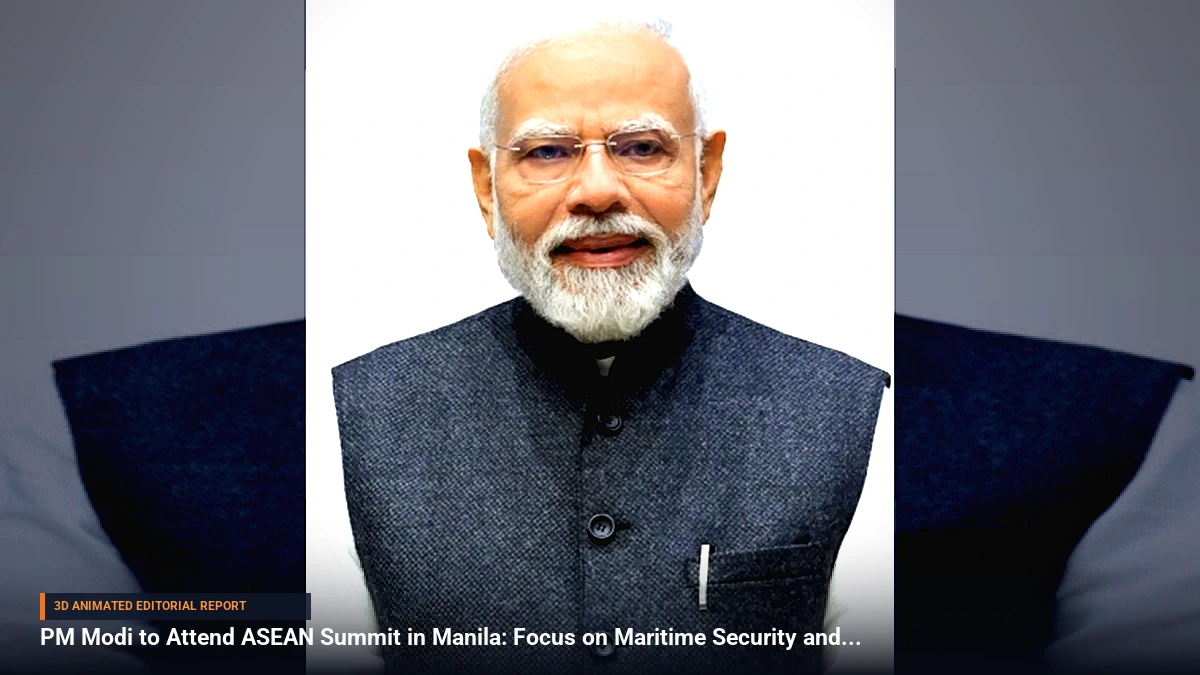
Indian Prime Minister Narendra Modi is set to embark on a high-profile diplomatic visit to Manila, Philippines, to participate in the ASEAN-India and related East Asia summits. The official visit is scheduled to take place from November 16 to 18, marking a pivotal moment in India's ongoing diplomatic outreach to Southeast Asian nations.
The official itinerary and diplomatic focus were formally detailed by Rudrendra Tandon, Secretary (East) at the Ministry of External Affairs (MEA), during a comprehensive media briefing held in New Delhi. According to MEA briefings, the prime minister's schedule will involve high-level multilateral engagements aimed at reinforcing institutional frameworks between New Delhi and the Association of Southeast Asian Nations (ASEAN).
Background & Key Context
India's engagement with ASEAN forms a cornerstone of its broader foreign policy doctrine, historically evolving from the 'Look East' policy into the more action-oriented 'Act East' policy. In recent years, geopolitical shifts across the Indo-Pacific region have elevated the strategic importance of multilateral dialogue platforms like the East Asia Summit.
Maritime security has progressively emerged as a central pillar of bilateral and multilateral cooperation. Given the critical importance of open sea lanes, freedom of navigation, and secure trade corridors—such as those near the Malacca Strait—regional stakeholders face mounting shared challenges regarding maritime domain awareness, surveillance, and cooperative defense initiatives.
Key Takeaways
- Summit Dates: Prime Minister Narendra Modi will visit Manila, Philippines, from November 16 to 18.
- Core Agenda: Discussions will prioritize regional trade expansion, economic partnerships, and enhanced maritime security.
- Official Announcement: The visit was formally unveiled by Rudrendra Tandon, Secretary (East) at the Ministry of External Affairs (MEA), during a New Delhi media briefing.
- Broad Multilateral Engagement: The prime minister is set to participate in both the ASEAN-India Summit and the broader East Asia Summit.
- Indo-Pacific Focus: The dialogues highlight India's deepening commitment to cooperative security and stability across vital maritime transit routes.
Impact, Analysis & Global/National Reactions
From a strategic standpoint, Prime Minister Modi's participation underscores New Delhi's proactive stance in shaping the geopolitical architecture of the Indo-Pacific. Analysts point out that as regional security dynamics evolve, strengthening partnerships with maritime democracies in Southeast Asia is crucial for maintaining a balanced and stable regional order.
Economic stakeholders are equally focused on the trade components of the upcoming dialogues. With global supply chains undergoing continuous realignment, deeper economic integration between India and ASEAN member states offers substantial mutual benefits. By addressing both commercial and security dimensions simultaneously, the summits in Manila provide an invaluable platform for comprehensive diplomatic alignment.
What's Next: Looking Ahead
As the delegation prepares for the mid-November trip, diplomatic channels are actively finalizing the specific joint statements and bilateral sideline meetings that will accompany the main plenary sessions. Observers will be closely watching for concrete deliverables on maritime surveillance frameworks, defense cooperation agreements, and timelines for reviewing the ASEAN-India Free Trade Agreement (AIFTA) to ensure modern economic relevancy.


Be the first to comment
Start a useful conversation around this story.