
What Happened: The Core Developments
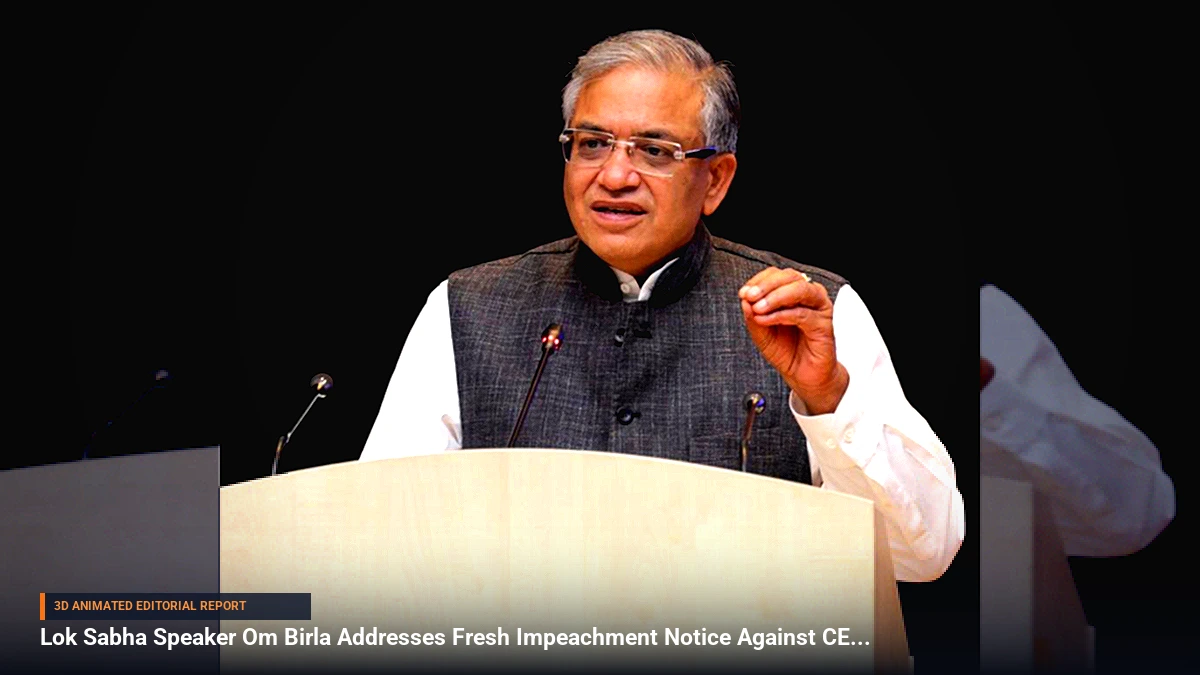
In recent political developments, Lok Sabha Speaker Om Birla addressed the submission of a fresh impeachment motion targeting Chief Election Commissioner (CEC) Gyanesh Kumar. Responding to inquiries regarding the parliamentary mechanism for handling such high-stakes notices, Speaker Birla emphasized that institutional procedures will dictate every step of the examination.
The announcement places the spotlight back on the stringent statutory protocols required to initiate removal proceedings against constitutional authorities in India. While various political factions and members of parliament navigate their oversight responsibilities, the Speaker's office maintains its gatekeeping role to ensure that any motion meets the necessary legal and procedural thresholds before moving forward for formal debate or floor action.
Background & Key Context
Impeaching or removing a high-ranking constitutional authority such as the Chief Election Commissioner is an extraordinary measure designed to safeguard the independence of India’s democratic institutions. The process requires substantial backing from lawmakers and must satisfy precise legal and constitutional criteria under Indian law.
The office of the Chief Election Commissioner holds a vital position in upholding free, fair, and transparent electoral processes across the world's largest democracy. Consequently, any legislative pushback or motion directed at the CEC triggers critical debates concerning the delicate balance between parliamentary accountability and the institutional autonomy of independent election bodies.
Key Takeaways
- Procedural Adherence: Lok Sabha Speaker Om Birla confirmed that the fresh notice will be strictly scrutinized under existing parliamentary rules.
- Gatekeeping Role: The Speaker holds the ultimate administrative authority to evaluate whether an impeachment motion fulfills the mandatory legal thresholds.
- Constitutional Significance: Proceedings against a Chief Election Commissioner are rare and demand rigorous adherence to established constitutional safeguards.
- Institutional Independence: The developments underscore ongoing discussions regarding the autonomy of India's election machinery and legislative oversight.
Impact, Analysis & Global/National Reactions
The declaration by the Lok Sabha Speaker highlights the gravity with which the Indian parliament approaches motions against constitutional officeholders. Legal experts and political analysts point out that while lawmakers possess the constitutional right to bring forth removal motions, the threshold is intentionally set high to prevent politically motivated or frivolous challenges.
Institutional watchdogs emphasize that public confidence in independent bodies like the Election Commission relies heavily on transparent, rule-bound handling of grievances. By committing to due process, the Speaker's office aims to maintain procedural integrity while navigating the complex intersection of legislative oversight and independent governance.
What's Next: Looking Ahead
As the Lok Sabha secretariat begins its initial evaluation of the paperwork, all eyes remain on the Speaker's office to determine whether the motion satisfies the necessary legal prerequisites to be formally admitted. If accepted, the motion could spark intense legislative debates and shape future precedents regarding the accountability of independent constitutional authorities in India.



Be the first to comment
Start a useful conversation around this story.