
What Happened: The Core Developments
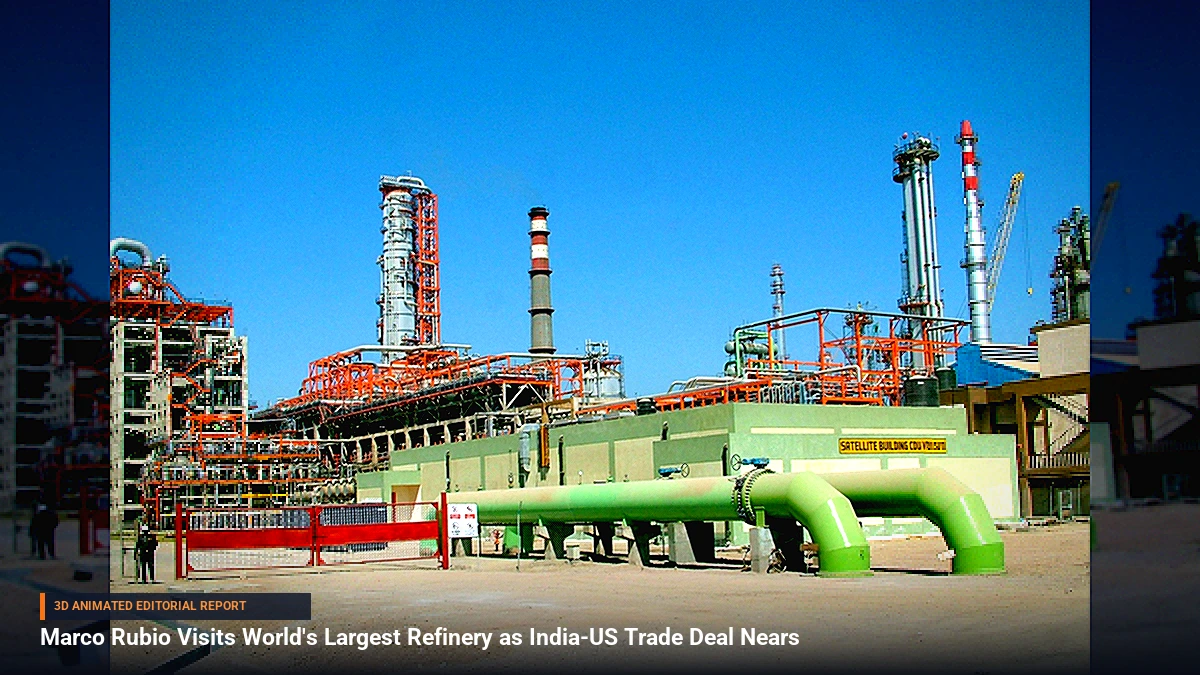
In a high-stakes diplomatic and economic mission, high-ranking US officials led by Marco Rubio have toured the sprawling Reliance Industries oil refinery in India, recognized globally as the largest refining facility of its kind. The targeted visit to the Jamnagar refinery complex places a spotlight on the intricate supply chains connecting South Asia to Western geopolitical strategies.
During high-level bilateral engagements, Rubio met with India's External Affairs Minister, S. Jaishankar. The discussions spanned critical sectors including defense cooperation, energy security alignment, and the finalization of an impending India-US trade agreement. Officials signaled that the comprehensive trade accord is now entering its concluding phases, potentially unlocking preferential tariff rates and deepening economic integration between the two democracies.
Background & Key Context
The strategic alignment between New Delhi and Washington has taken on renewed urgency against a volatile backdrop of international conflicts, notably the ongoing war involving Iran and tightened oversight of Russian energy markets. Reliance Industries occupies a pivotal position in this matrix. As a major processor of global crude, the conglomerate's operational decisions directly influence Washington's twin objectives: enforcing secondary sanctions compliance on Russian energy buyers while simultaneously preventing global oil price shocks.
Historically, India has maintained strategic autonomy in its energy procurement, balancing traditional ties with Moscow alongside burgeoning security partnerships with Western allies. The current diplomatic outreach reflects a concerted effort by Washington to harmonize these commercial realities with broader containment and market-stabilization strategies.
Key Takeaways
- Strategic Facility Tour: Marco Rubio inspected Reliance's massive refinery complex, emphasizing the private sector's role in global energy governance.
- Trade Deal Momentum: Bilateral talks between Rubio and S. Jaishankar confirmed that a comprehensive India-US trade agreement is approaching finalization within a matter of weeks.
- Energy & Sanctions Nexus: The Jamnagar facility serves as a focal point for balancing Russian energy flows and containing global price volatility amidst West Asian hostilities.
- Defense and Counterterrorism: Discussions also addressed broader geopolitical cooperation, with Indian leadership expressing appreciation for ongoing counterterrorism collaboration.
Impact, Analysis & Global/National Reactions
Market analysts note that the visit signals a pragmatic shift in US foreign economic policy. Rather than demanding absolute decoupling from sanctioned energy sources, Washington is increasingly engaging directly with key industrial hubs to ensure global market liquidity.
"The proximity of this trade deal and the focus on refining capacities indicate a mature, transactional partnership," economic analysts observed. By engaging directly with corporate giants like Reliance, the United States aims to secure cooperative mechanisms that protect global consumers from inflationary spikes while tightening the screws on illicit financial flows linked to regional conflicts.
What's Next: Looking Ahead
Stakeholders are now turning their attention to the final text of the upcoming India-US trade deal, expected to be unveiled in the coming weeks. Policymakers on both sides will need to iron out specific tariff structures and regulatory frameworks to ensure the pact delivers promised economic advantages. Meanwhile, energy markets will closely monitor how Reliance balances feedstock inputs under the watchful eye of international regulators, setting the tone for future energy diplomacy throughout the Indo-Pacific region.


Be the first to comment
Start a useful conversation around this story.