
What Happened: The Core Developments
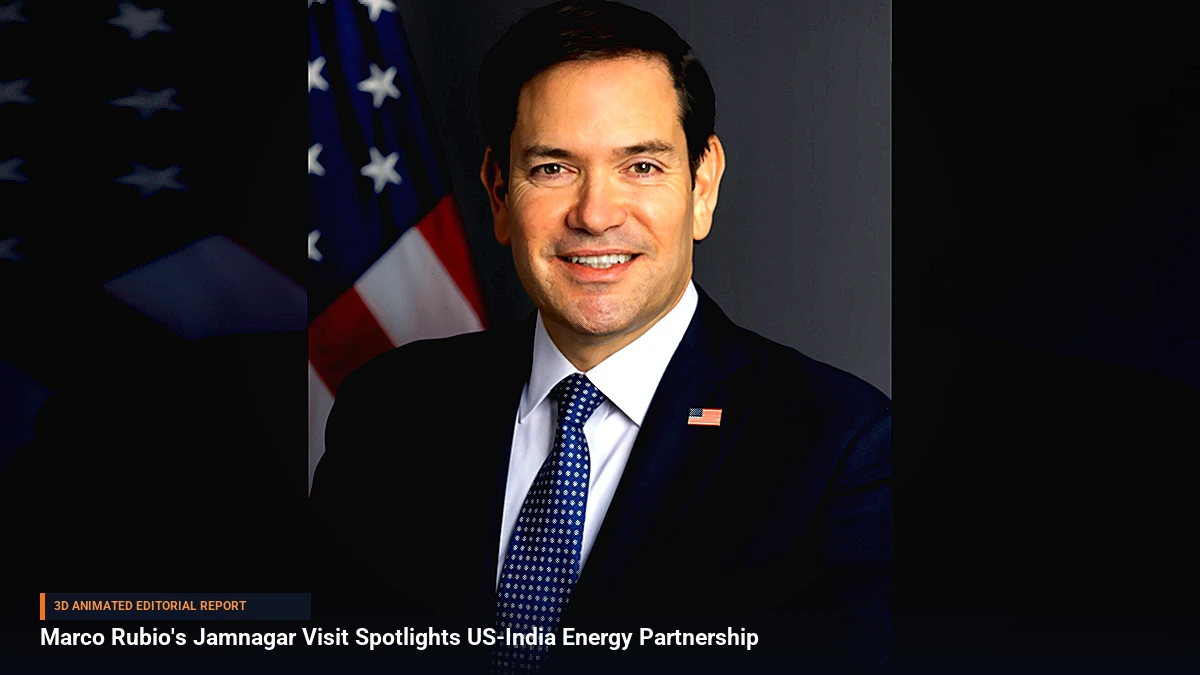
US Secretary of State Marco Rubio concluded a high-stakes diplomatic and economic tour of India, marked by key strategic engagements in Mumbai and Gujarat. During his visit, Rubio toured Reliance Industries' sprawling Jamnagar refinery complex, where he met with the Ambani leadership to discuss expanded partnerships in energy security, digital infrastructure, and giga-factories [19309].
The discussions underscored a mutual desire to fortify supply chains and enhance bilateral commerce. In parallel, Indian External Affairs Minister S Jaishankar hosted high-level talks, emphasizing a strict zero-tolerance approach toward terrorism while laying out a comprehensive roadmap encompassing trade, investments, advanced technology, and energy cooperation [18792].
Background & Key Context
The visit unfolds against a complex geopolitical backdrop characterized by evolving global energy markets and shifting US sanctions policy. With Washington navigating adjustments in global crude flows—including temporary adjustments regarding Russian energy supplies—India's massive refining capacity has emerged as a critical pivot point for international energy stability [19262].
At the same time, the diplomatic mission faced scrutiny from various international observers concerning domestic political demonstrations in India. Lawmakers in Western capitals had previously urged dialogue over local administrative issues, setting the stage for direct pushback from visiting US officials regarding foreign commentary on domestic affairs [19160].
Key Takeaways
- Refining Powerhouse: Marco Rubio formally designated India as a 'refining superpower,' signaling Washington's readiness to see New Delhi process increased volumes of Venezuelan oil [19262].
- Energy & Tech Partnerships: Discussions at the Jamnagar complex focused heavily on deepening public-private cooperation in traditional energy, digital infrastructure, and green technology [19309].
- Counter-Terrorism Alignment: External Affairs Minister S Jaishankar reiterated India's firm stance on zero tolerance for terrorism during bilateral discussions in Mumbai [18792].
- Dismissal of External Criticism: Addressing queries regarding domestic protests against election commission policies, Rubio brushed off the concerns as internal matters and famously labeled the term 'UN experts' as an oxymoron [19098, 19160].
Impact, Analysis & Global/National Reactions
Rubio's explicit endorsement of India's processing capabilities highlights a pragmatic shift in US foreign policy, prioritizing pragmatic economic and energy alliances over rigid geopolitical dogmas. By aligning US energy interests with Indian refining might, Washington aims to stabilize global oil markets while integrating supply chains away from adversarial jurisdictions.
Simultaneously, Rubio’s sharp dismissal of United Nations expert commentary regarding domestic Indian politics sent a strong signal of diplomatic non-interference from the US perspective. By characterizing local political friction strictly as internal domestic affairs, Washington has signaled a preference for bilateral pragmatism over multilateral policing [19098]. Market analysts note that these developments provide a predictable framework for major conglomerates like Reliance and other industrial leaders to plan multi-billion-dollar investments in clean energy and tech sectors.
What's Next: Looking Ahead
Bilateral working groups are expected to translate the Jamnagar and Mumbai discussions into concrete regulatory frameworks and volume targets for Venezuelan crude processing in the coming quarters. Stakeholders will closely monitor upcoming trade delegations and energy ministerial meetings to gauge how quickly these strategic blueprints turn into commercial reality.

Be the first to comment
Start a useful conversation around this story.