
What Happened: The Core Developments
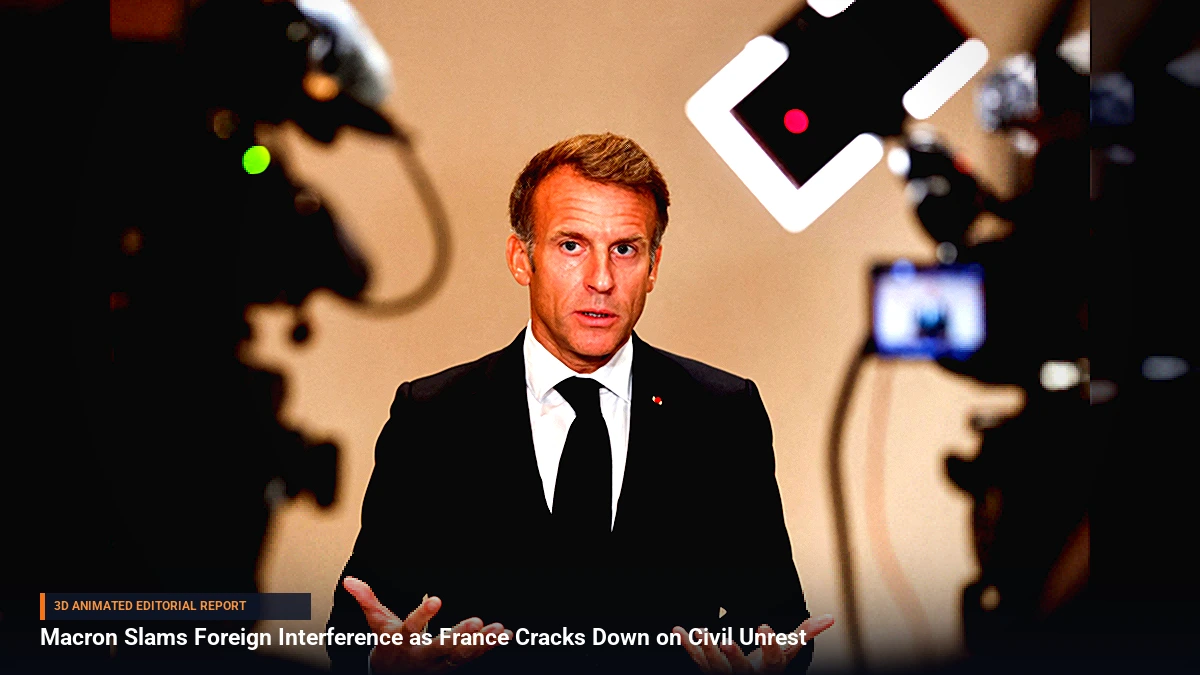
French President Emmanuel Macron has issued a stern warning that domestic protesters will not be permitted to inflict chaos upon the nation, drawing a firm line as civil unrest continues to ripple through various French cities. Amid escalating tensions on the streets, Macron turned his attention outward, launching a blistering critique against international figures who have inserted themselves into the national discourse.
The French leader specifically targeted foreign politicians and commentators who have attempted to weaponize France's internal security challenges for their own political gain. Rather than viewing the demonstrations through a domestic socioeconomic or political lens, international opportunists have sought to frame the unrest as a direct consequence of European migration policies.
Background & Key Context
The current wave of unrest in France has reignited long-standing debates regarding public security, governance, and social integration. Historically, France has experienced periodic flare-ups of civil disobedience tied to economic grievances, labor reforms, or policing methods. However, the recent demonstrations have quickly transcended domestic borders, transforming into a flashpoint for international ideological warfare.
Prominent foreign figures, notably US political leaders including Donald Trump and various conservative commentators, have aggressively seized upon the French riots. These figures have publicly attributed the widespread unrest directly to immigration, pointing to France as a cautionary tale for border control policies. Independent fact-checkers and political analysts have noted that these claims often lack empirical backing, serving instead as talking points for foreign political campaigns.
Key Takeaways
- Hardline Stance: President Emmanuel Macron explicitly stated that protesters will be met with state authority and will not be allowed to cause chaos.
- Foreign Exploitation Condemned: Macron criticized international leaders for attempting to exploit domestic French disorder to advance their own political agendas.
- Immigration Narrative Pushed Abroad: Figures like Donald Trump and allied political groups have blamed the French riots on immigration, drawing swift pushback from Paris.
- Sovereignty Pushback: The French administration is fiercely guarding its domestic narrative, dismissing external commentary as uninformed and opportunistic.
Impact, Analysis & Global/National Reactions
The intersection of domestic rioting and international posturing has created a unique diplomatic friction. Analysts note that by publicly rebuking foreign leaders, Macron is attempting to insulate French internal politics from external manipulation while simultaneously asserting strong leadership at home.
Observers point out that framing domestic unrest through an external ideological lens distorts the genuine grievances driving local protesters. Conversely, international actors utilize these moments to galvanize their own domestic bases by stoking fears regarding global migration trends. This dynamic complicates efforts by French authorities to de-escalate tensions locally, as national issues are rapidly amplified into global culture war talking points.
What's Next: Looking Ahead
As the French government navigates this delicate balancing act, security forces remain on high alert to suppress further outbreaks of violence. The administration's dual strategy—maintaining strict public order on the streets while forcefully pushing back against foreign rhetoric—will set the tone for domestic governance in the coming months.
International observers will be closely watching whether foreign political figures continue to leverage French internal affairs, or if diplomatic channels will pressure external actors to respect national sovereignty. Meanwhile, domestic stakeholders in France await concrete policy responses from Macron's government to address the root causes of the unrest.

Be the first to comment
Start a useful conversation around this story.