
What Happened: The Core Developments
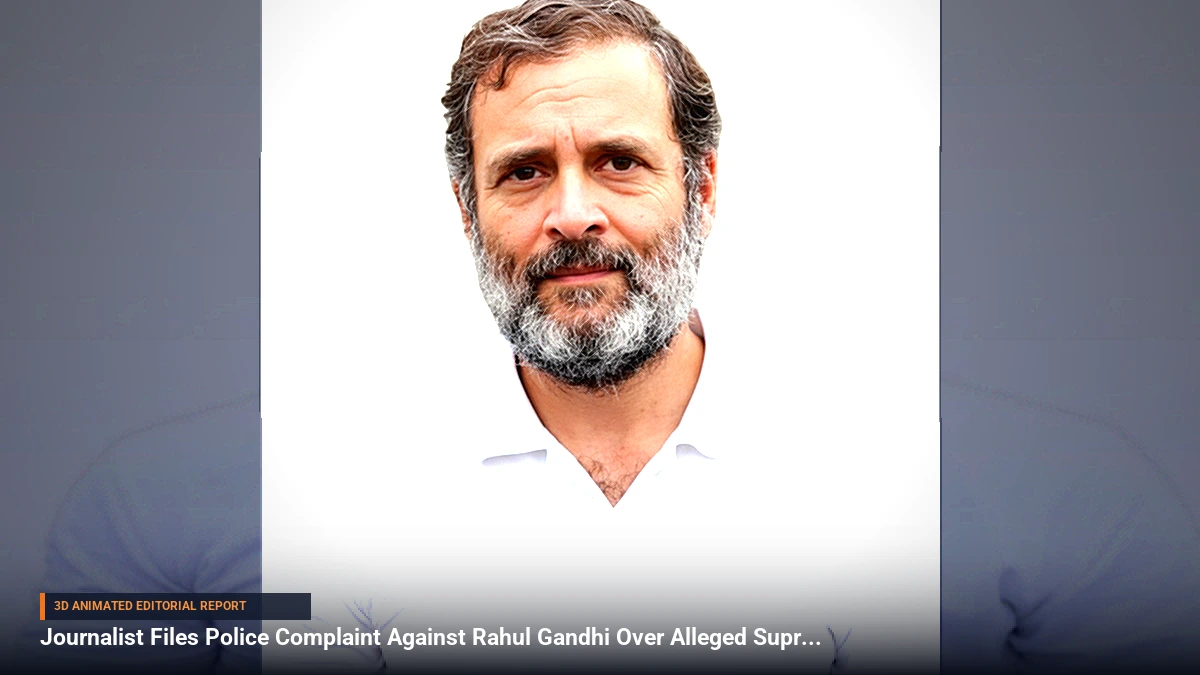
A formal legal and institutional confrontation has unfolded following an incident involving senior political figures and members of the press. A female journalist has officially lodged a police complaint against Congress leader Rahul Gandhi and several others, alleging that she was physically pushed, manhandled, and injured during a public demonstration.
The altercation reportedly took place within the precincts of the Supreme Court during a high-tension protest march. According to the allegations brought forward by the complainant, the physical misconduct occurred amidst chaotic scenes as security personnel, political workers, and media representatives clashed in close quarters. Following the incident, the matter quickly escalated beyond a routine media-political friction point into a formal legal battle, with the complainant seeking police action and judicial intervention.
Background & Key Context
Public demonstrations near high-security zones such as the Supreme Court frequently attract massive media attention, creating volatile environments for both reporters and political figures. Marches and rallies involving opposition leaders often draw intense crowds, leading to bottlenecks where security protocols can break down.
In this instance, the friction between political security details and media personnel covering the event resulted in claims of aggressive physical conduct. Over the following days, the allegations gained substantial momentum, transitioning from initial social media uproar and press association statements into actionable legal steps, including the filing of a formal police complaint and a direct plea submitted to the country's highest judicial authority for urgent review.
Key Takeaways
- Formal Allegations Filed: A female journalist has officially registered a police complaint accusing Rahul Gandhi and others of manhandling and pushing her.
- Incident Location: The alleged altercation occurred on the premises of the Supreme Court during a public protest march.
- Judicial Escalation: The Supreme Court has formally agreed to hear a related plea concerning the incident, bringing judicial oversight to the dispute.
- Safety and Press Freedom: The case has reignited critical discussions regarding the safety protocols governing media professionals covering intense political demonstrations.
Impact, Analysis & Global/National Reactions
The developments have triggered significant political friction and public debate regarding the safety of journalists on assignment. Media bodies and press freedom advocates closely monitor situations involving alleged physical interference by political actors or their security entourages.
While legal experts note that filing a police complaint initiates standard procedural reviews, the involvement of the Supreme Court elevates the political gravity of the case. Observers point out that such incidents place immense pressure on political parties to ensure their security details maintain professional decorum around working press members, especially during high-stress public demonstrations.
What's Next: Looking Ahead
As the legal process moves forward, all eyes are on the judiciary's handling of the petition. The Supreme Court's scheduled hearings will determine whether formal directives or judicial orders will be issued concerning the registration of a First Information Report (FIR) and subsequent police investigations.
Simultaneously, law enforcement agencies are expected to review the formal police complaint, examine available video evidence from the Supreme Court premises, and determine the appropriate investigative steps. The unfolding legal proceedings will likely remain a focal point for media watchdogs, legal analysts, and political observers alike.


Be the first to comment
Start a useful conversation around this story.