
What Happened: The Core Developments
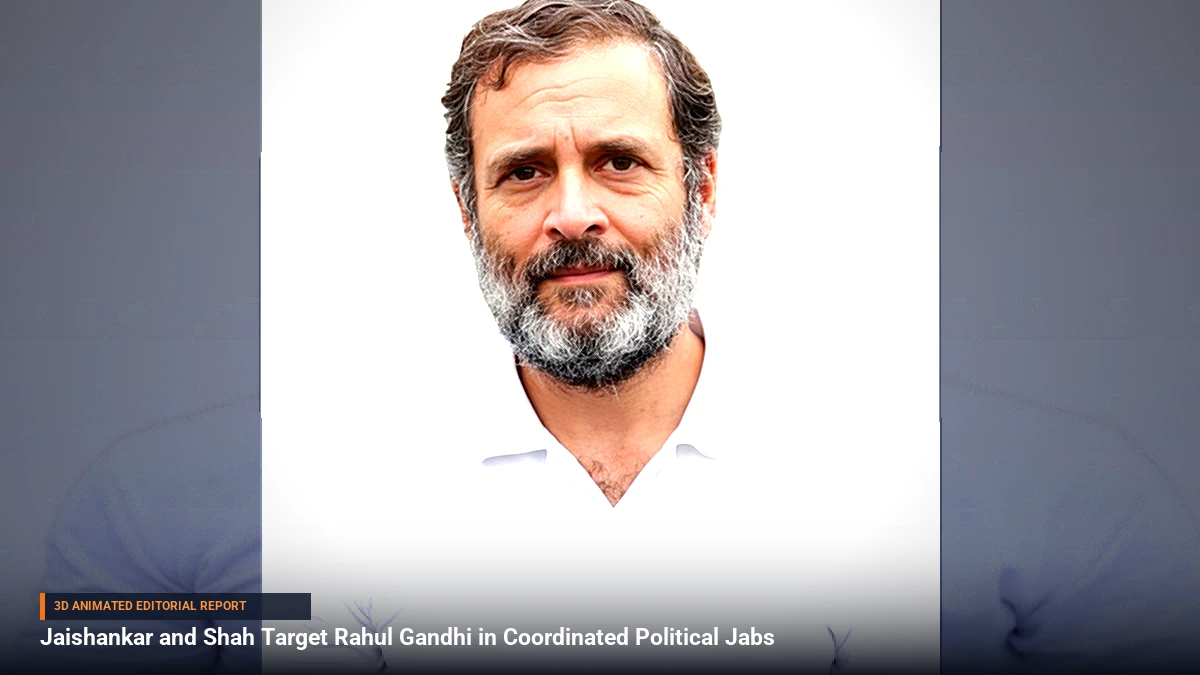
The political landscape in India has witnessed a fresh surge of verbal sparring as senior cabinet ministers train their sights on opposition leader Rahul Gandhi. External Affairs Minister S. Jaishankar publicly invoked former Prime Minister Indira Gandhi in response to a remark made by Gandhi directed at US official Marco Rubio. Simultaneously, Union Home Minister Amit Shah launched a scathing critique during a public gathering, predicting that the Indian National Congress will not return to political power for the next 30 years.
Shah's remarks went beyond routine electoral forecasting, directly accusing Gandhi and his political associates of attempting to shield illegal infiltrators. According to the Home Minister, these actions are allegedly being masked under the rhetoric of 'vote chori' (vote theft) allegations. The dual-pronged statements from two of the ruling administration's most influential figures highlight a concerted effort to counter opposition narratives on both domestic policy and international optics.
Background & Key Context
The latest confrontations arrive amid a tense geopolitical backdrop and ongoing domestic friction over electoral integrity and immigration policies. The ruling dispensation frequently utilizes public forums to highlight what it frames as the opposition's disconnect with national security and demographic realities. Meanwhile, foreign policy interactions—such as engagements involving US figures like Marco Rubio—frequently spill over into domestic political discourse, allowing the ruling party to draw historical comparisons or question the opposition's diplomatic maturity.
Key Takeaways
- High-Level Rebuttal: External Affairs Minister S. Jaishankar invoked Indira Gandhi to counter a specific remark made by Rahul Gandhi targeting Marco Rubio.
- Bold Electoral Prediction: Union Home Minister Amit Shah asserted that the Congress party faces a lengthy exile from power, estimating a 30-year span before they could theoretically govern again.
- Security Allegations: Shah accused Gandhi and allied leaders of prioritizing the protection of illegal infiltrators under the guise of challenging electoral discrepancies.
- Narrative Strategy: The synchronized responses from key ministers underscore the government's dual focus on discrediting opposition domestic claims and defending its international posture.
Impact, Analysis & Global/National Reactions
Political analysts view these targeted remarks as part of an ongoing strategy to keep the opposition on the defensive as regional and national electoral cycles evolve. By framing the opposition's allegations of electoral irregularities as a protective cover for illegal immigration, the ruling party aims to consolidate its core nationalist base. Conversely, invoking historical figures like Indira Gandhi adds a layer of irony and precedent to diplomatic disagreements, signaling that opposition rhetoric carries real weight in how India projects its foreign policy posture.
Institutional and political responses remain sharply polarized. While government loyalists have rallied behind Jaishankar and Shah's assertions of strong governance and national security prioritization, opposition representatives maintain that these criticisms are designed to deflect attention from pressing economic and institutional challenges.
What's Next: Looking Ahead
As political parties prepare for upcoming electoral battles across various states, the rhetoric surrounding immigration, electoral transparency, and foreign relations is expected to intensify. Observers will closely monitor how the opposition responds to these protracted attacks and whether these verbal exchanges translate into shifts in voter alignment or legislative strategies in the near future.


Be the first to comment
Start a useful conversation around this story.