
What Happened: The Core Developments
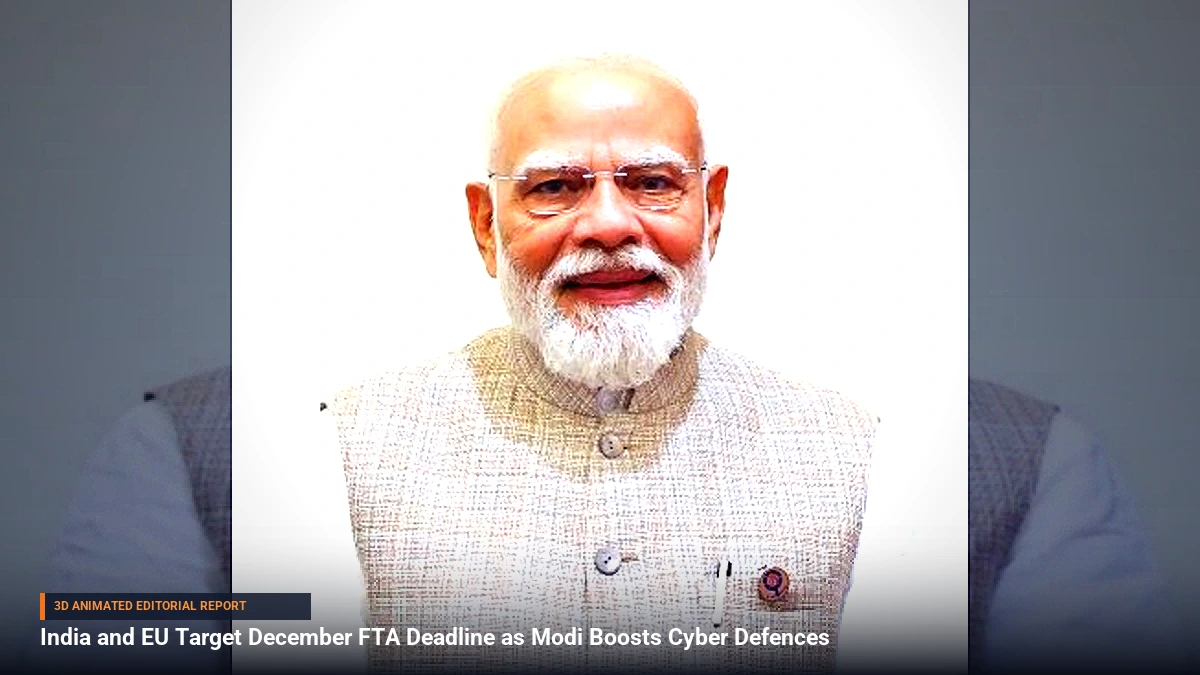
India's diplomatic and economic apparatus is operating on dual high-priority fronts, simultaneously expanding international market access and reinforcing national digital security. High-level trade negotiations between New Delhi and Brussels have entered a decisive phase, with both sides aiming to close an ambitious Free Trade Agreement (FTA) ahead of a strict December deadline. This diplomatic push coincides with Prime Minister Narendra Modi's scheduled official visit to Brussels.
In parallel, Commerce and Industry Minister Piyush Goyal recently concluded a high-stakes two-day diplomatic and economic tour of Germany. Discussions in Berlin centered on expanding bilateral trade, deepening investment channels, and fostering advanced technology partnerships. German industrial stakeholders have increasingly looked at India not merely as a vast consumer market, but as a critical strategic partner for long-term growth and supply chain diversification.
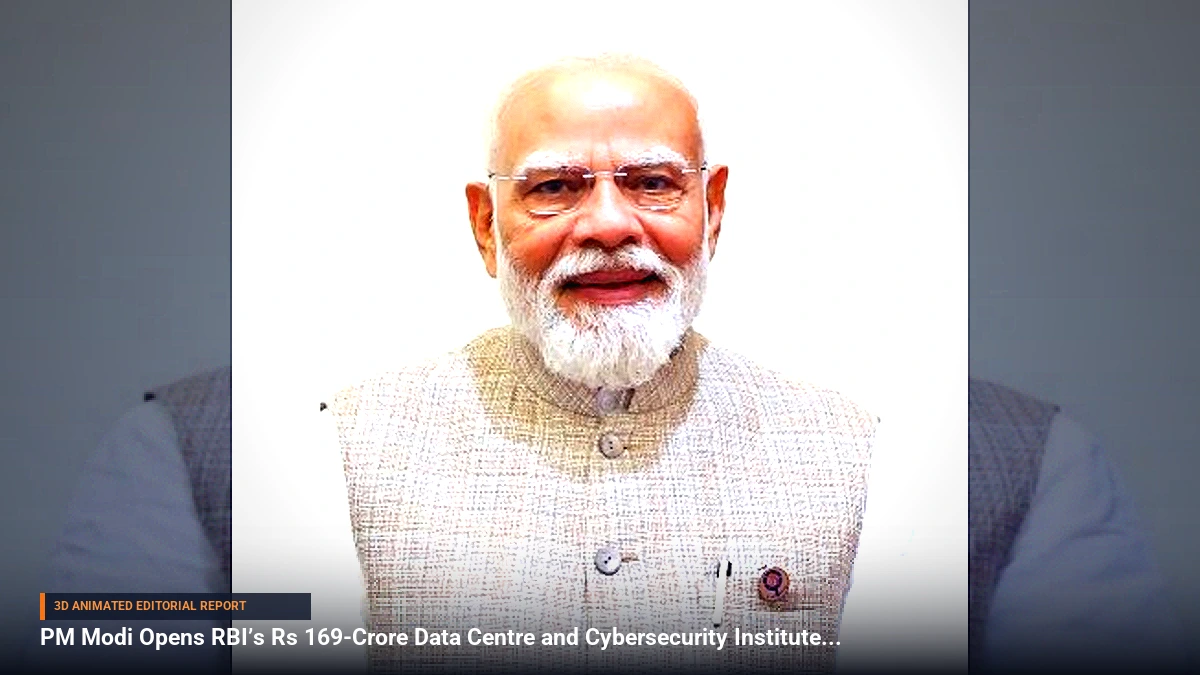
Domestically, Prime Minister Modi underscored the gravity of modern security threats during the inauguration of the Reserve Bank of India’s (RBI) new ₹169-crore data centre and cybersecurity training institute in Odisha. Highlighting the evolving nature of global conflict, Modi warned that contemporary wars are increasingly fought by targeting national economies, directly flagging the growing menace of cyber terrorists.
Background & Key Context
The push for an India-EU FTA represents a revival of comprehensive economic dialogue between two of the world's largest democratic markets. Previous iterations of trade talks faced headwinds over market access, labor standards, and environmental stipulations. However, shifting geopolitical alignments and a shared desire to secure resilient, diversified supply chains have injected fresh momentum into the negotiations.
On the domestic front, the establishment of the RBI's specialized data facility and cybersecurity academy reflects India's aggressive posture toward safeguarding its rapidly digitizing financial architecture. As UPI transactions, digital banking, and cloud-based governance scale to unprecedented levels, critical financial infrastructure requires institutional fortresses capable of repelling sophisticated state-sponsored and non-state cyber incursions.
Key Takeaways
- December FTA Target: India and the EU are racing to finalize a comprehensive Free Trade Agreement ahead of a December deadline coinciding with PM Modi's Brussels visit.
- European Engagement: Commerce Minister Piyush Goyal's recent tour of Germany solidified robust commitments from European firms aiming to scale operations in India over the next three to five years.
- Critical Infrastructure Investment: PM Modi inaugurated a ₹169-crore RBI data centre and cybersecurity training institute in Odisha to fortify the nation's financial backbone.
- Evolving Threat Matrix: The Prime Minister publicly warned that modern conflict extends beyond physical borders, with economies and digital networks serving as primary battlegrounds against cyber terrorism.
Impact, Analysis & Global/National Reactions
The convergence of international trade diplomacy and domestic cybersecurity investments illustrates a holistic approach to national resilience. Trade analysts note that a successful India-EU trade pact could unlock billions of dollars in mutual commerce, easing tariffs and harmonizing regulatory standards across manufacturing, green technology, and digital services.
German business leaders have expressed immense optimism regarding the trajectory of Indo-European commercial ties. During his Berlin engagements, Minister Goyal highlighted that international corporations are actively planning to double or triple their operational footprints in India over the coming half-decade, driven by regulatory reforms and a predictable macroeconomic environment.
Simultaneously, financial technology experts have praised the RBI's new cybersecurity institute in Odisha as a vital proactive measure. With financial institutions globally facing relentless automated assaults, centralized training and robust data redundancy are viewed as non-negotiable prerequisites for maintaining systemic trust.
What's Next: Looking Ahead
All eyes are now fixed on the negotiating tables in New Delhi and Brussels as trade representatives hammer out the final text of the FTA ahead of the December milestone. Successful resolution of outstanding technical hurdles will pave the way for formal signing ceremonies during Prime Minister Modi's upcoming European tour.
Meanwhile, the newly operational RBI data centre and cybersecurity academy in Odisha will begin rolling out advanced threat-mitigation protocols and specialized training modules for financial sector personnel. As global economic competition increasingly mirrors technological capability, India's dual strategy of open-market integration and fortified digital sovereignty will serve as a definitive blueprint for emerging economies.





Be the first to comment
Start a useful conversation around this story.