
What Happened: The Core Developments
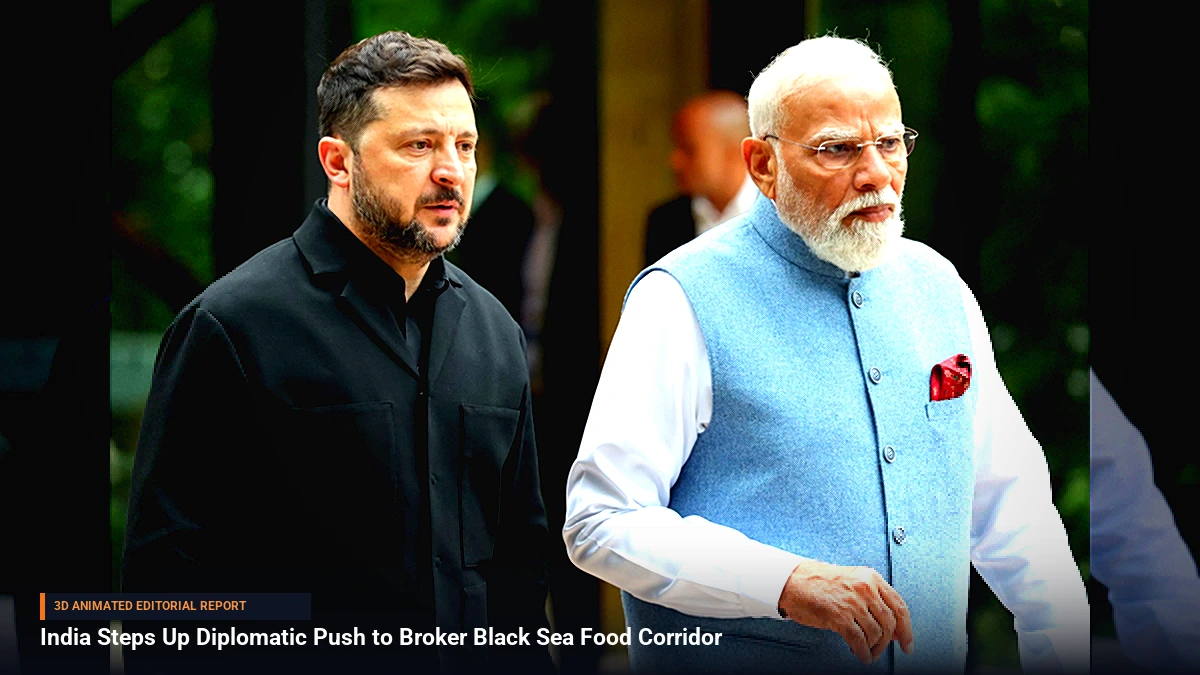
New Delhi has stepped into a high-stakes diplomatic role, actively attempting to broker a vital Black Sea food corridor to facilitate agricultural exports from Ukraine. Following high-level discussions between Indian leadership and Ukrainian President Volodymyr Zelenskyy, reports indicate that India is exploring frameworks to mediate shipping routes that could safely bypass ongoing hostilities in the region.
The initiative follows a flurry of diplomatic engagements, including strategic calls involving Prime Minister Narendra Modi, Ukrainian officials, and Russian counterparts. However, establishing a functional maritime corridor presents severe logistical challenges. Major obstacles threatening the success of this diplomatic push include maritime security guarantees, naval mine threats, and the complexities of securing full cooperation from Moscow.
Background & Key Context
The Black Sea has served as a primary geopolitical choke point since the escalation of the Russia-Ukraine conflict, severely disrupting global grain supplies and stoking food inflation across developing nations. Previous iterations of grain corridors faced fragile agreements, frequent suspensions, and continuous military friction.
India has maintained a strategically independent stance throughout the conflict, refusing to join Western-led sanctions against Russia while simultaneously emphasizing the importance of sovereignty, territorial integrity, and peaceful dialogue. This delicate balancing act has positioned New Delhi as one of the few global capitals trusted—or at least engaged—by both sides of the divide, making it uniquely suited to attempt back-channel agricultural diplomacy.
Key Takeaways
- Strategic Mediation: India is actively attempting to establish a secure Black Sea food corridor to ease global food security pressures.
- Unique Diplomatic Position: New Delhi leverages its maintained diplomatic and economic ties with both Moscow and Kyiv to act as a credible intermediary.
- Severe Logistical Hurdles: Key obstacles involve ensuring shipping security, neutralizing naval hazards, and gaining explicit cooperation from Russia.
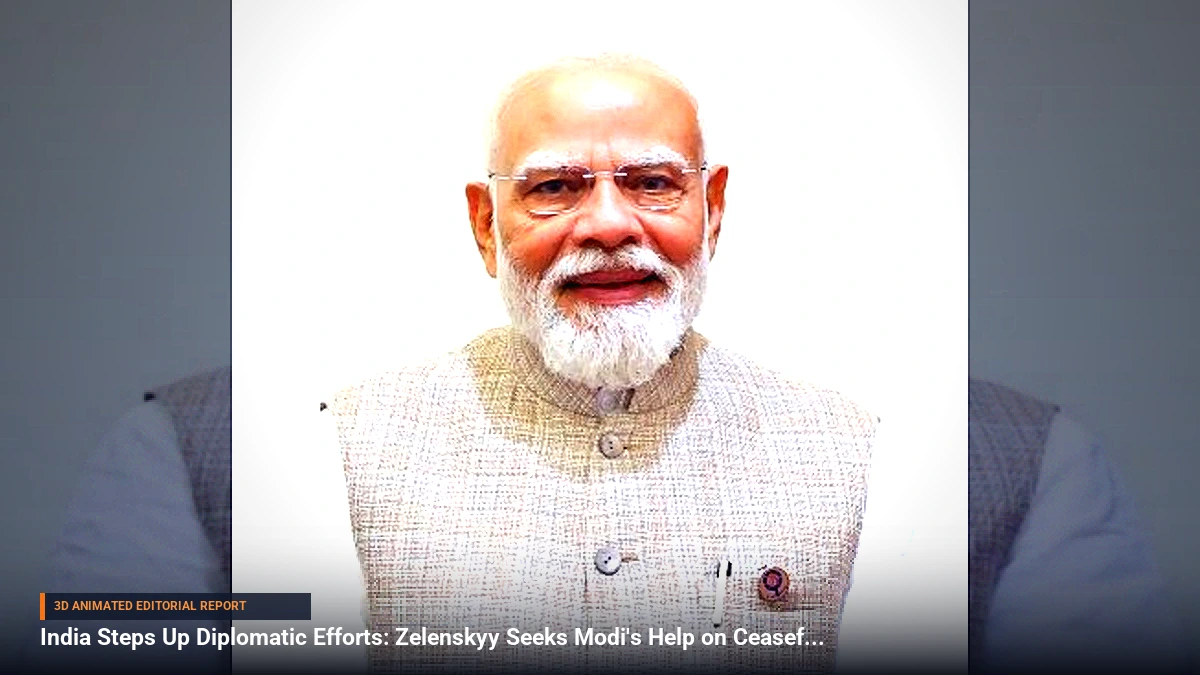
- High-Level Dialogue: The mediation push follows direct communications between Prime Minister Modi and President Zelenskyy, alongside diplomatic talks with Russian officials.
- Global Implications: A successful corridor would stabilize international agricultural markets and provide relief to import-dependent economies.
Impact, Analysis & Global/National Reactions
International analysts view India's mediation attempt as a calculated test of its rising middle-power diplomacy. By focusing strictly on humanitarian and economic lifelines like food security rather than direct security arrangements, New Delhi minimizes its risk profile while maximizing its international prestige as a global South champion.
Ukrainian leadership has expressed openness to India's involvement, highlighting New Delhi's potential to influence broader diplomatic channels. Meanwhile, Western capitals are closely watching whether India's economic leverage with Russia—particularly regarding energy trade—can be successfully translated into concessions on maritime navigation and trade safety.
What's Next: Looking Ahead
As diplomatic channels remain open ahead of upcoming international peace forums, the immediate focus will be on hammering out technical guarantees for commercial vessels operating in contested waters. Observers will be monitoring whether bilateral talks yield concrete parameters for safe passage, or if the deep-seated security mistrust between Moscow and Kyiv will stall New Delhi's ambitious humanitarian corridor before it leaves the drawing board.
Be the first to comment
Start a useful conversation around this story.