
What Happened: The Core Developments
Tensions reached a boiling point in the Indian capital as thousands of citizens and key opposition leaders gathered at Ramlila Maidan for a high-stakes protest rally. The primary objective of the demonstration was to demand the immediate resignation of Chief Election Commissioner Gyanesh Kumar, amid intense allegations of electoral malpractice and institutional bias.
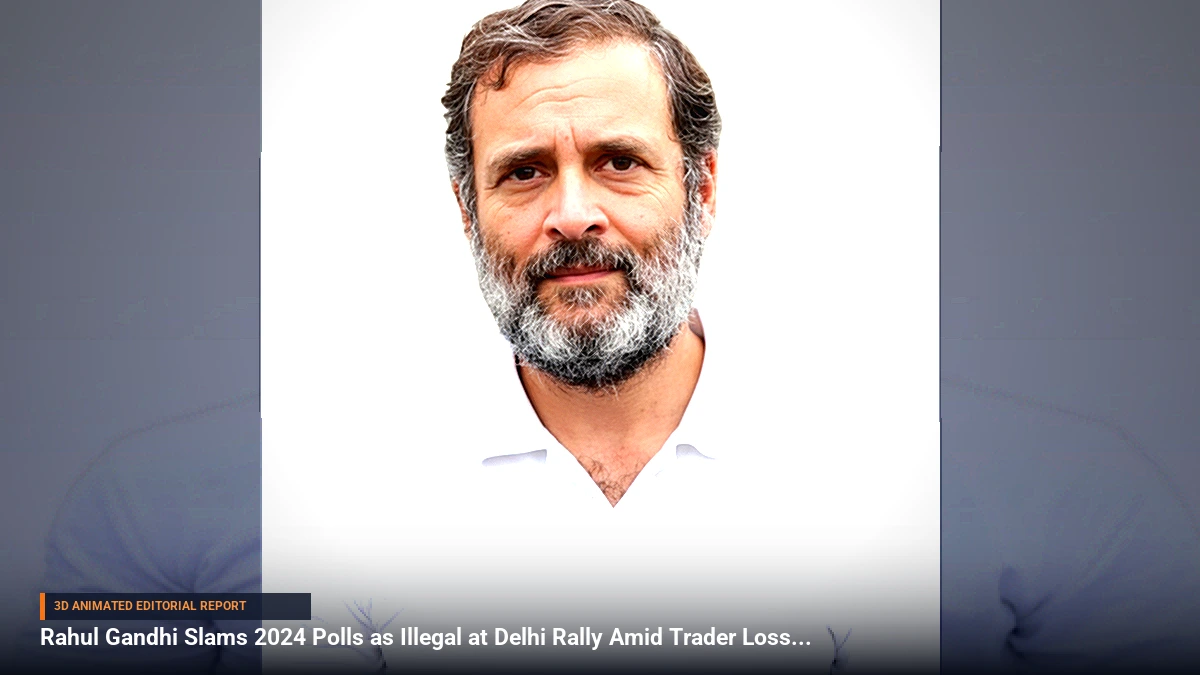
Prominent opposition figures, including senior Congress leader Rahul Gandhi, took center stage to address the massive crowds. Speakers heavily criticized the handling of recent democratic processes, labeling the electoral framework under current oversight as compromised. To maintain public order during the high-tension event, authorities deployed a massive security apparatus consisting of 3,000 security personnel, 450 closed-circuit television (CCTV) cameras, and surveillance drones monitoring the perimeter.
Concurrently, the ruling Bharatiya Janata Party (BJP) launched a coordinated counter-march. The ruling party's demonstration was designed to challenge the opposition's narrative head-on, framing the protests as an affront to constitutional bodies and an attempt to manufacture political instability.
Background & Key Context
The friction between India's opposition parties and the election administration has been brewing over successive electoral cycles. The INDIA bloc—a coalition of diverse regional and national opposition parties—has increasingly focused its political strategy on questioning the administrative autonomy and technical transparency of India's election machinery.
Historically, venues like Ramlila Maidan have served as epicenters for major anti-establishment and reform movements in Indian politics. The latest mobilization builds upon months of mounting rhetoric concerning voter roll transparency, electronic voting machine (EVM) security, and procedural fairness. The opposition's choice to directly target the head of the Election Commission marks an escalation from policy critiques to personalized demands for institutional accountability and leadership overhauls.
Key Takeaways
- Mass Mobilization: Thousands of protesters gathered at New Delhi's Ramlila Maidan under the banner of the opposition INDIA bloc.
- Core Demand: Demonstrators explicitly demanded the resignation of India's election chief, Gyanesh Kumar, citing alleged electoral irregularities.
- High-Security Environment: Authorities enforced strict crowd-control measures, utilizing 3,000 security personnel, 450 CCTV cameras, and aerial drone surveillance.
- Ruling Party Pushback: The BJP responded with a targeted counter-march to discredit the opposition's narrative and defend state institutions.
- Escalating Rhetoric: Senior leaders like Rahul Gandhi publicly challenged the legitimacy of recent electoral outcomes, signaling a protracted political conflict.
Impact, Analysis & Global/National Reactions
The showdown at Ramlila Maidan underscores a deepening polarization over the integrity of India's core democratic institutions. Analysts note that when political actors openly contest the legitimacy of administrative referees like the Election Commission, public trust in foundational governance structures faces severe strain.
While the opposition views these street mobilizations as a vital defense of democratic norms against perceived executive overreach, the ruling BJP contends that such protests amount to a deliberate undermining of constitutional authorities for partisan gain. Political commentators suggest this friction sets a confrontational tone for upcoming legislative battles, forcing voters and institutional stakeholders to navigate a deeply fractured political landscape.
What's Next: Looking Ahead
As the political dust settles in New Delhi, both camps are preparing for prolonged fallout. The opposition coalition is expected to take its grievances to further legal and public forums, intensifying pressure on electoral authorities ahead of upcoming regional polls. Meanwhile, the ruling coalition will likely leverage its counter-narrative strategy to portray the opposition's tactics as disruptive and unconstitutional, setting the stage for an increasingly bitter electoral climate across the country.

Be the first to comment
Start a useful conversation around this story.