
What Happened: The Core Developments
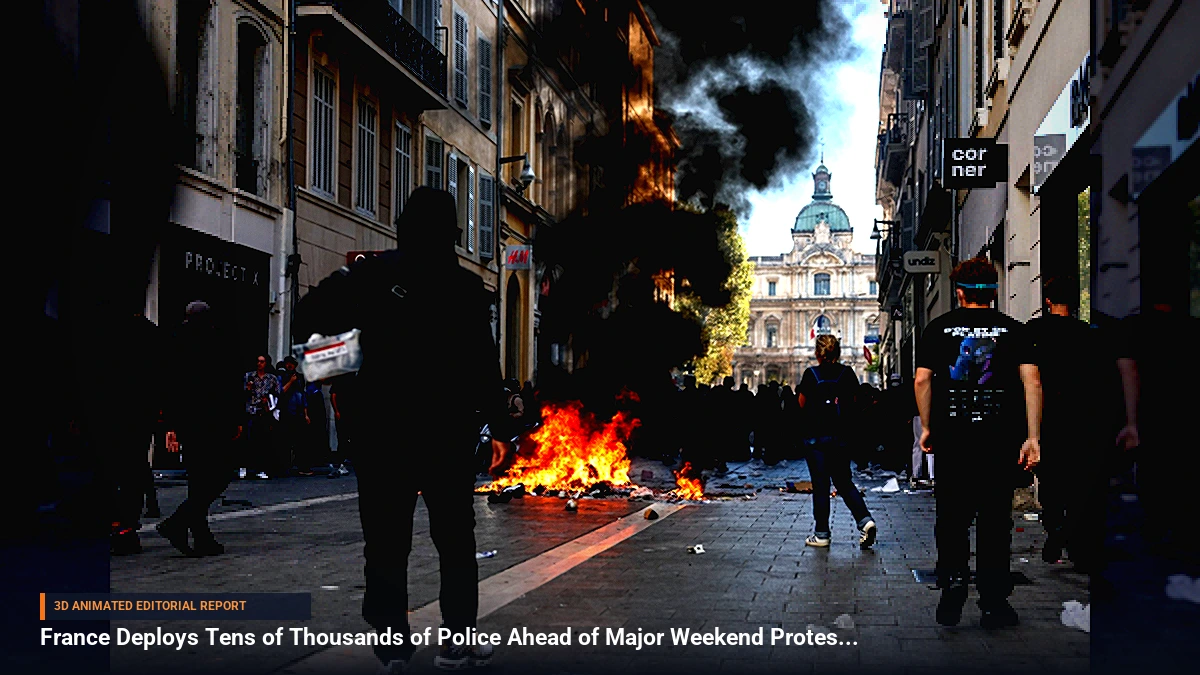
France has mobilized a massive nationwide security operation, placing tens of thousands of law enforcement officers on high alert ahead of an anticipated wave of weekend demonstrations. The sweeping deployment comes as the French government implements aggressive measures to curtail public unrest, including targeted bans on specific gatherings and the extension of local curfews across several key urban centers.
President Emmanuel Macron’s administration has taken an uncompromising stance on the civil friction, directly pointing the finger at hard-left political factions for fueling the ongoing instability. While authorities attempt to lock down cities to prevent property damage and clashes, the heavy police presence has ignited fierce debates over the balance between maintaining public order and preserving constitutional rights to assembly.
Background & Key Context
The current wave of mobilization follows weeks of escalating friction between the state and various civil groups, labor organizations, and student movements. Protests that initially began over specific economic and social grievances have progressively broadened into a wider challenge against executive authority.
French authorities have increasingly relied on emergency powers, judicial restrictions, and administrative bans to limit the scope of demonstrations. However, these tactics have frequently faced pushback in local courts, where civil liberties advocates have occasionally successfully challenged blanket bans, leading to tense standoffs in public squares.
Key Takeaways
- Massive Deployment: Tens of thousands of police officers have been deployed nationwide to secure key areas and deter violence.
- Administrative Crackdown: Local authorities have implemented strict bans on specific gatherings and extended curfews in multiple cities.
- Political Friction: President Emmanuel Macron has publicly blamed hard-left factions for orchestrating and aggravating the unrest.
- Civil Liberties Clash: Tensions remain high between state security demands and the defense of the constitutional right to protest.
Impact, Analysis & Global/National Reactions
The escalation in security measures underscores a deepening crisis of governance in France, where social discontent frequently spills over into large-scale confrontations. Analysts note that while the state's robust security apparatus is designed to protect urban infrastructure and restore calm, it risks further alienating demonstrators and deepening societal polarization.
Human rights organizations and opposition politicians have raised alarms over the systematic restriction of public assemblies. Critics argue that utilizing broad curfews and preventative bans infringes upon fundamental democratic principles. Conversely, government defenders emphasize that extraordinary measures are vital to protect citizens and businesses from recurring property destruction and violent clashes.
What's Next: Looking Ahead
As the weekend unfolds, all eyes will be on how law enforcement manages crowds and whether protesters defy official bans. Upcoming dialogues between President Macron’s administration and student groups could provide a crucial test of whether the government can de-escalate tensions through political engagement or if the current cycle of confrontation will persist into the winter months. Market analysts and international observers are closely monitoring the situation for potential economic disruptions and broader European political fallout.


Be the first to comment
Start a useful conversation around this story.