
What Happened: The Core Developments
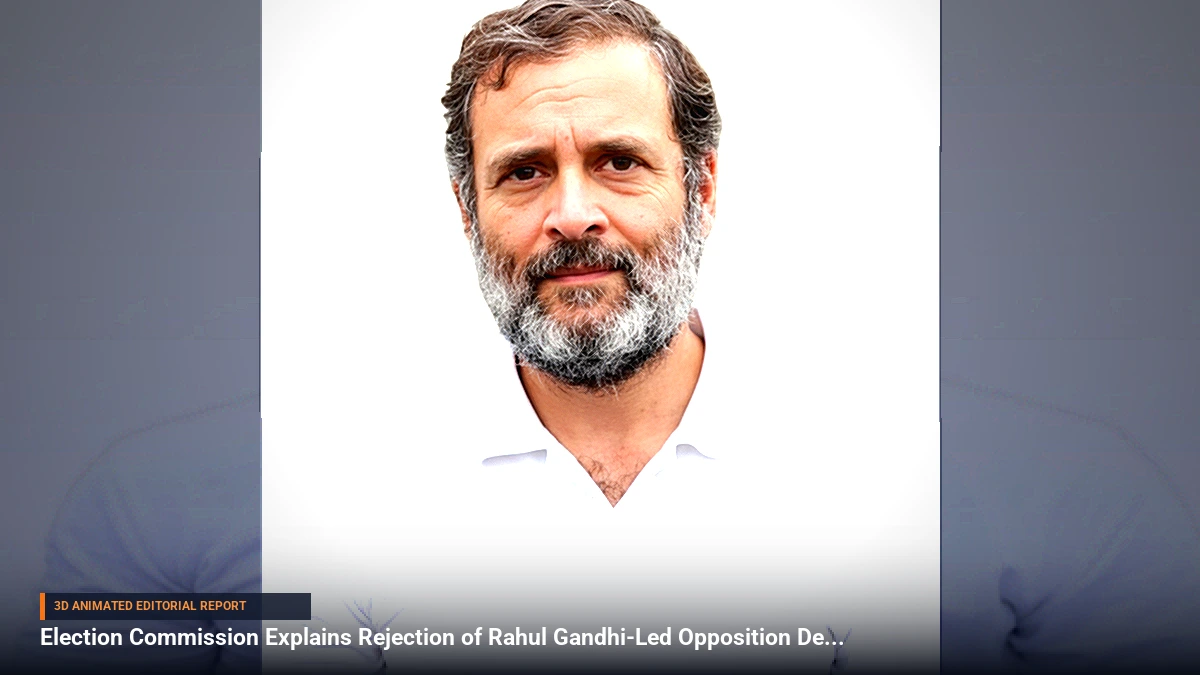
Recent institutional friction came to light when the Election Commission of India detailed the circumstances surrounding a rejected meeting proposal from opposition leadership. According to the poll panel, authorities received formal communication via the Delhi Police indicating that a high-level delegation of Members of Parliament, spearheaded by Lok Sabha Leader of the Opposition Rahul Gandhi, intended to visit the commission. The primary objective of the proposed visit was to submit a formal memorandum concerning ongoing electoral or political grievances.
However, the poll body ultimately declined the appointment request, labeling the approach and the surrounding coordination as "unusual" under standard administrative frameworks. This refusal has sparked considerable discourse regarding the communication channels between India's premier electoral oversight body and major political parties, particularly when dealing with high-profile parliamentary delegations.
Background & Key Context
Interactions between the Election Commission and political entities in India typically follow rigorous, established channels. Historically, political parties submit representations, memoranda, and complaints through designated party representatives or formal appointment requests coordinated directly with the commission's secretariat.
When prominent figures—such as the Leader of the Opposition in the Lok Sabha—seek an audience, expectations regarding scheduling, agenda finalization, and protocol become exceptionally pronounced. The involvement of law enforcement agencies like the Delhi Police to relay meeting intents adds another layer of procedural complexity, moving away from direct secretariat-to-party communication.
Key Takeaways
- Delegation Lead: The proposed delegation was planned to be led by Lok Sabha Opposition Leader Rahul Gandhi.
- Intermediary Communication: The Election Commission stated that information regarding the planned visit was conveyed through the Delhi Police.
- Core Objective: The delegation intended to present a formal memorandum to the constitutional body.
- Poll Body Stance: The commission characterized the handling and nature of the proposed meeting approach as unusual, leading to its rejection.
- Institutional Protocol: The event underscores the strict adherence to administrative and communication norms expected by India's election oversight authorities.
Impact, Analysis & Global/National Reactions
This procedural deadlock highlights the delicate balance between opposition parties demanding immediate accountability from constitutional authorities and the institutional necessity for structured, orderly engagements. Political analysts note that direct access to the Election Commission is a critical cornerstone of a healthy democracy, ensuring that grievances from the political spectrum are heard and addressed transparently.
Conversely, the poll body must safeguard its operational autonomy and maintain consistent protocols to prevent ad-hoc or media-driven delegations from disrupting its regulatory calendar. Stakeholders from various political factions continue to debate whether the rejection points to a breakdown in communication or a necessary enforcement of bureaucratic decorum.
What's Next: Looking Ahead
As political tensions persist, attention shifts toward how opposition parties will recalibrate their strategy to present their grievances to the poll panel. Whether through formal written submissions adhering strictly to administrative guidelines or through revised appointment requests, the dialogue between the Election Commission and opposition leadership remains a vital focal point of India's political landscape.



Be the first to comment
Start a useful conversation around this story.