
The political and civil liberties landscape in India's capital has faced intense scrutiny following widespread security lockdowns, sweeping detentions of civil society members, and the strategic shutdown of critical public transportation networks. As demonstrations against the Chief Election Commissioner (CEC) escalated in New Delhi, authorities implemented aggressive crowd-control measures that severely restricted civilian mobility and sparked urgent legal interventions.
Legal scholars, human rights organizations, and affected commuters have raised profound questions regarding the constitutional balance between maintaining public order and upholding the fundamental right to peaceful assembly and free movement.
What Happened: The Core Developments
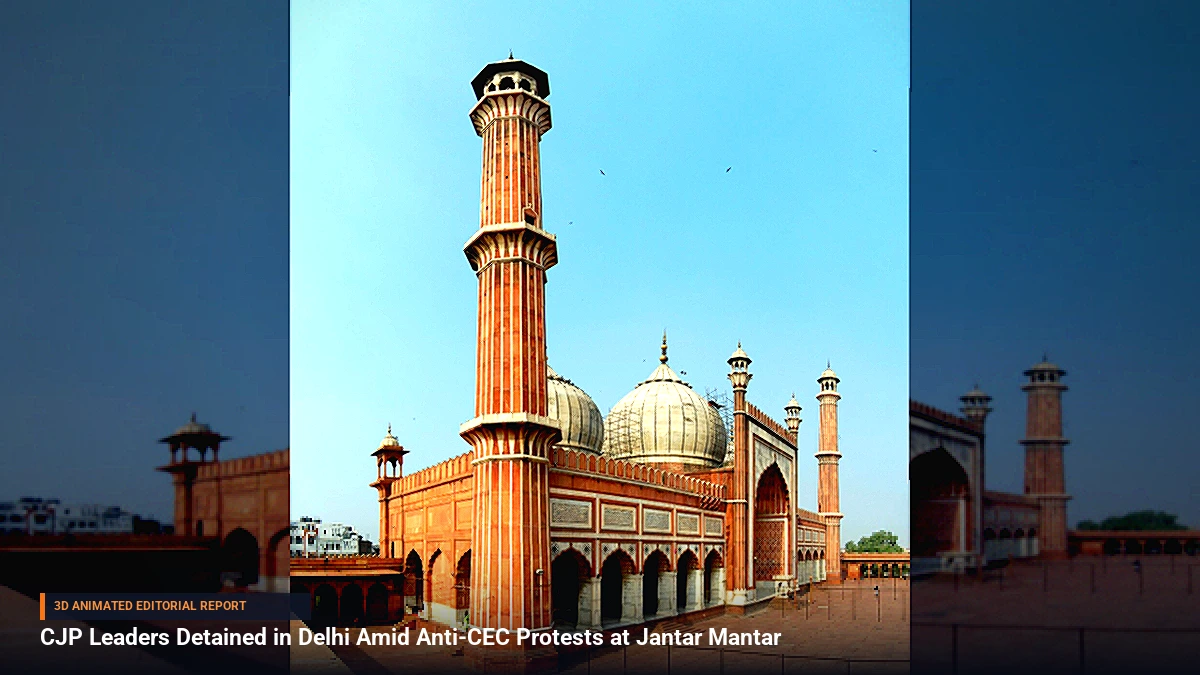
Recent demonstrations in New Delhi transformed parts of the city into heavily policed zones. Authorities implemented a security grid characterized by heavy lockdowns, road barricades, and the restriction of public access to key landmark areas such as Jantar Mantar. Amid these high-tension demonstrations, several prominent activists—including Saurav Das and Ashutosh Ranka, alongside multiple members of Citizens for Justice and Peace (CJP)—were taken into police custody.
Parallel to the ground-level detentions, the administrative decision to shutter strategic Delhi Metro stations near protest epicenters effectively paralyzed transit options for thousands of daily commuters. In response to these sweeping disruptions, legal petitions were swiftly filed. The Supreme Court of India announced that it is scheduled to hear critical pleas challenging the legality and proportionality of closing metro stations to curb public demonstrations.
Background & Key Context
The tension between public demonstrators and state security machinery in New Delhi carries deep historical precedent. Jantar Mantar has long served as the traditional epicentre for civic dissent, trade union protests, and human rights advocacy. However, balancing security imperatives with democratic expression has been a recurring legal battleground.
In landmark precedents, including a 2018 ruling, the Supreme Court rejected blanket bans on protests at Jantar Mantar, emphasizing that peaceful assemblies are a vital component of a healthy democracy. Despite such judicial observations, recent administrative responses to anti-CEC sentiments have relied heavily on preventative detentions and infrastructural blockades, mirroring tactics previously scrutinized by civil liberties watchdogs.
Key Takeaways
- Supreme Court Intervention: The apex court has listed petitions challenging the blanket closure of Delhi Metro stations during recent demonstrations.
- High-Profile Detentions: Civil rights activists, including Saurav Das and Ashutosh Ranka of the CJP, were detained by Delhi Police during protests at Jantar Mantar.
- Security Lockdowns: Thousands of precautionary detentions and severe traffic restrictions were reported across the capital region.
- Transit Disruption: The shutting down of metro stations crippled urban mobility, drawing ire from daily commuters and civil society groups.
- Constitutional Debate: The events have reignited national discourse on the limits of administrative police powers versus citizens' right to peaceful protest and free movement.
Impact, Analysis & Global/National Reactions
The events in New Delhi have triggered swift reactions from legal experts, domestic opposition leaders, and international human rights organizations. Critics argue that the pre-emptive closure of transit networks and mass detentions amount to an disproportionate infringement on democratic freedoms.
"Preventative detentions on this scale undermine the very foundation of democratic accountability," noted a prominent civil rights analyst monitoring the developments. Meanwhile, international media outlets and global human rights bodies have flagged the heavy-handed policing tactics, drawing attention to how administrative instruments are increasingly utilized to stifle political dissent. Conversely, law enforcement authorities defended the stringent measures, citing severe security concerns, intelligence inputs regarding potential public disorder, and the necessity to protect vital national infrastructure.
What's Next: Looking Ahead
All eyes are now turned toward the Supreme Court, where the upcoming hearings on the metro station closures will set a vital precedent for administrative accountability during civil unrest. Legal analysts anticipate that the court will examine whether shutting down mass transit systems constitutes a disproportionate restriction on the freedom of movement under Article 19 of the Constitution.
Furthermore, civil society networks are preparing to challenge the legality of the mass detentions at Jantar Mantar, seeking clearer judicial guidelines on how authorities must handle public dissent without resorting to blanket urban shutdowns. The outcomes of these upcoming judicial reviews will profoundly shape the future of protest rights and urban governance in India.

Be the first to comment
Start a useful conversation around this story.