
What Happened: The Core Developments
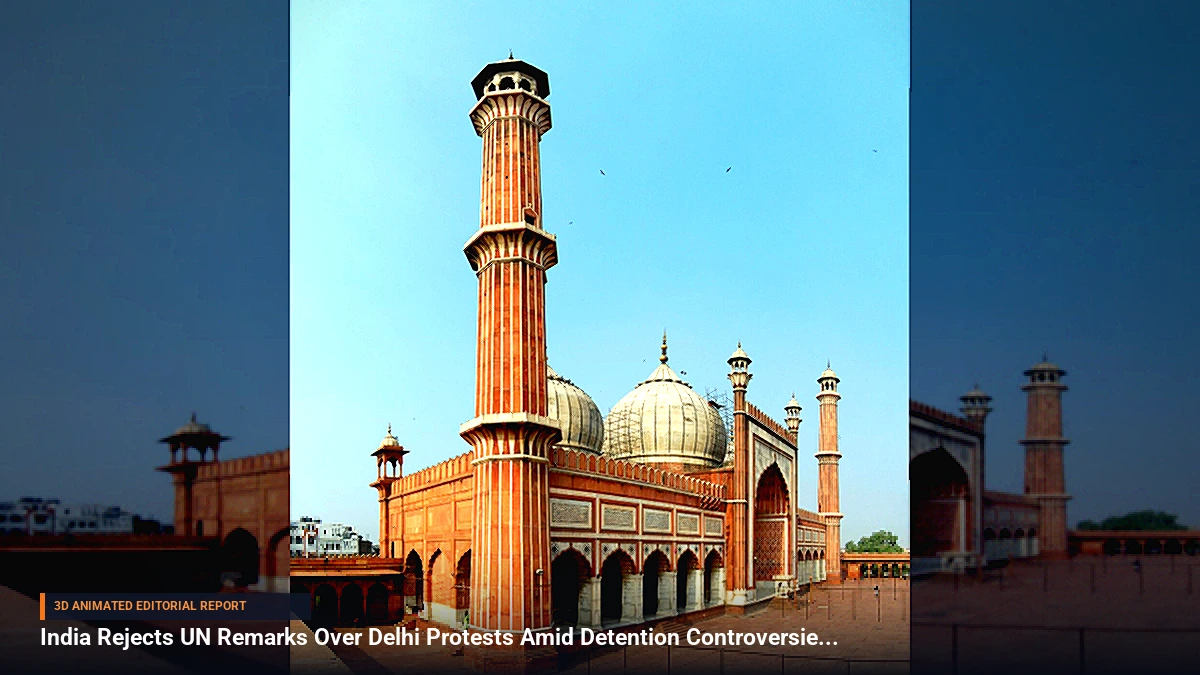
The national capital witnessed intense security operations following a major protest mobilization that resulted in the mass detention of approximately 3,000 demonstrators, political figures, and civic organizers. Law enforcement agencies executed wide-ranging crackdowns across key transit points and protest venues, preventing crowds from converging on central demonstration zones.
While the vast majority of those taken into custody—including prominent opposition leaders and four former Chief Ministers—have since been released, a distinct subset of detainees remains behind bars. Among those continuing to face detention are prominent digital commentators and independent voices, including CJP founder Abhijeet Dipke and prominent YouTuber Dhruv Rathee, alongside two other individuals. Reports indicated that figures like Dipke, along with leaders Ashutosh Ranka and Saurav Das, were intercepted and detained directly from aircraft upon landing at Delhi airports.
Background & Key Context
The demonstrations were organized to voice opposition against specific central policies, drawing thousands of participants who attempted to stage sit-ins and march toward iconic public squares such as Jantar Mantar and Connaught Place. The state response was swift and heavy-handed, utilizing preventive detentions to neutralize large-scale assembly.
Historically, mass political detentions in Delhi often end with sweeping, unconditional releases after temporary holding periods to diffuse immediate civil unrest. However, the selective retention of independent content creators and online media figures marks a notable shift in how state apparatuses handle modern socio-political dissent, blending traditional crowd control with targeted scrutiny of digital influencers.
Key Takeaways
- Mass Detention & Release: Approximately 3,000 protesters and leaders were initially detained during the high-intensity police crackdown in Delhi.
- High-Profile Figures Involved: Four former Chief Ministers and several top-tier political figures were among those temporarily held by authorities.
- Targeted Interceptions: Organizers such as CJP founder Abhijeet Dipke, Ashutosh Ranka, and Saurav Das were detained directly upon arrival at the airport.
- Selective Custody: While political leaders and most protesters have been freed, digital commentators Abhijeet Dipke, Dhruv Rathee, and two others remain in detention.
- Escalating Tensions: The differential treatment of political elites versus digital commentators has intensified scrutiny on free speech and state enforcement tactics.
Impact, Analysis & Global/National Reactions
The selective release protocol has triggered widespread discussions regarding civil liberties, freedom of expression, and the evolving role of digital media in contemporary activism. Legal experts and civil society watchdogs have pointed out that retaining independent digital commentators long after political allies and mainstream politicians are freed sends a chilling message to independent content creators.
Opposition networks have condemned the ongoing detentions, planning coordinated pushbacks including upcoming opposition marches and formal memorandums to higher judicial authorities. Political analysts suggest that targeting digital figures reflects growing institutional anxiety over the mobilizing power of independent online platforms, which bypass traditional media gatekeepers.
What's Next: Looking Ahead
Legal teams representing the remaining detainees are expected to file immediate habeas corpus petitions and bail applications in local courts to secure their release. Meanwhile, political coalitions have announced plans to escalate their protests through coordinated demonstrations and legal challenges submitted to the highest judicial benches, ensuring that the fallout from the Delhi crackdown will remain a dominant political flashpoint in the weeks to come.
Be the first to comment
Start a useful conversation around this story.