
What Happened: The Core Developments
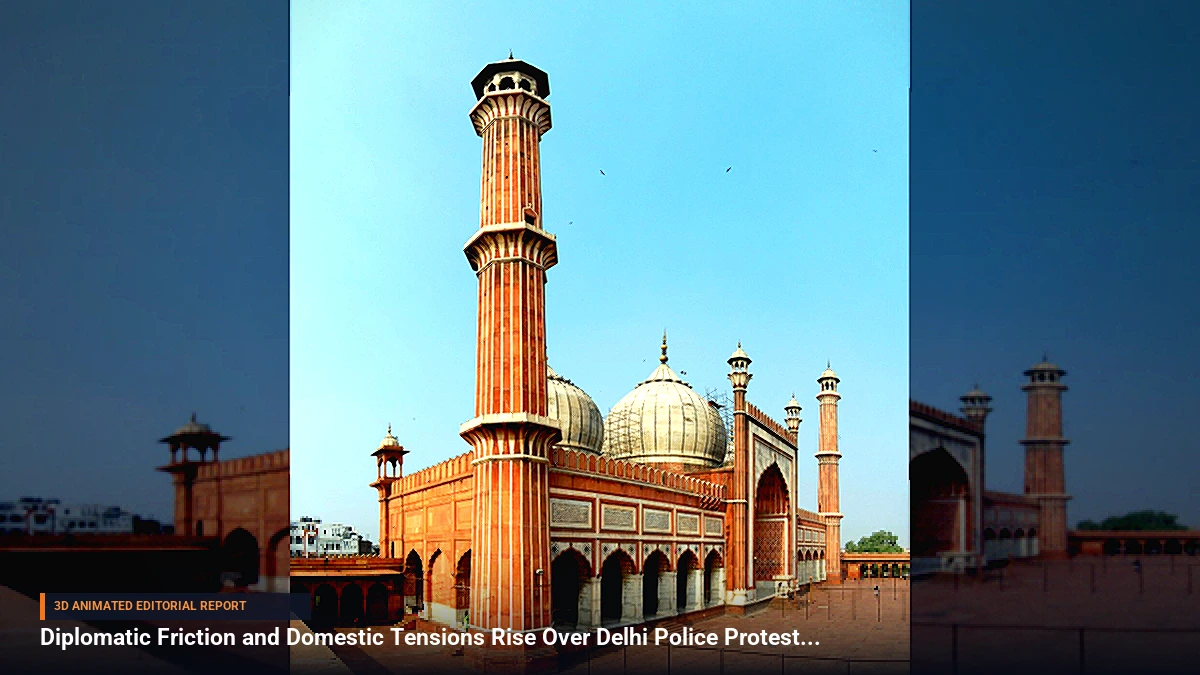
Tensions have escalated significantly in New Delhi following a series of contentious police actions against demonstrators associated with the Citizens for Justice and Peace (CJP) group. Delhi Police initiated a sweeping crackdown, detaining numerous participants—including women and key organizational leaders—late into the evening near key transit and public hubs. The forceful dispersal drew immediate domestic and international scrutiny, as the state moved aggressively to quell demonstrations that authorities claimed posed security risks.
In response to the actions, the CJP leadership announced that the "fight has just begun," confirming plans for expanded nationwide protests. Rejecting assertions that they had agreed to halt demonstrations, representatives clarified that any release bonds signed by detained members solely pertained to maintaining the peace, preserving their constitutional right to peacefully assemble.
Background & Key Context
The street demonstrations emerged amidst a pressurized political backdrop involving electoral integrity disputes, constitutional debates, and heightened scrutiny over civil liberties. The CJP protests, which targeted administrative and election commission policies, quickly became a focal point for broader anti-establishment sentiment.
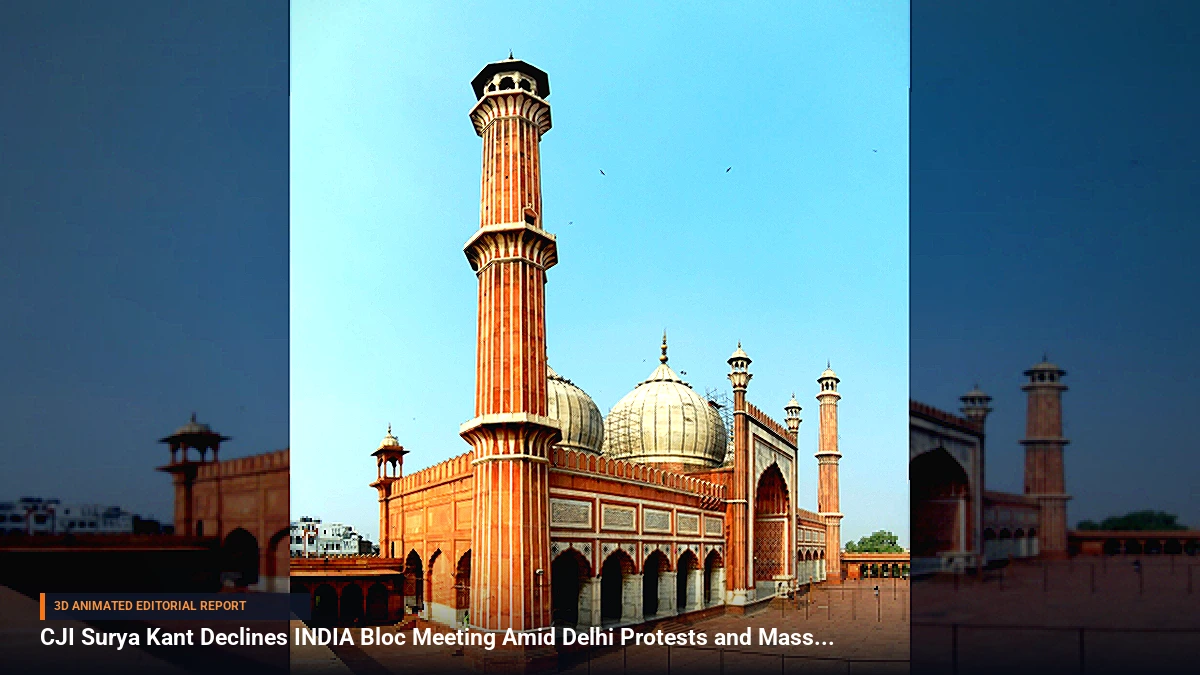
Concurrently, domestic political maneuvering reached the highest tiers of governance. Opposition factions within the INDIA bloc, spearheaded by Leader of the Opposition Rahul Gandhi, attempted to engage directly with the judiciary. However, Chief Justice of India Surya Kant formally declined a meeting request from the opposition coalition, signaling a strict boundary regarding judicial intervention in ongoing executive and electoral controversies.
Key Takeaways
- UN Concern: The United Nations Human Rights Office (OHCHR) publicly expressed deep concern over the mass detentions executed by Delhi Police.
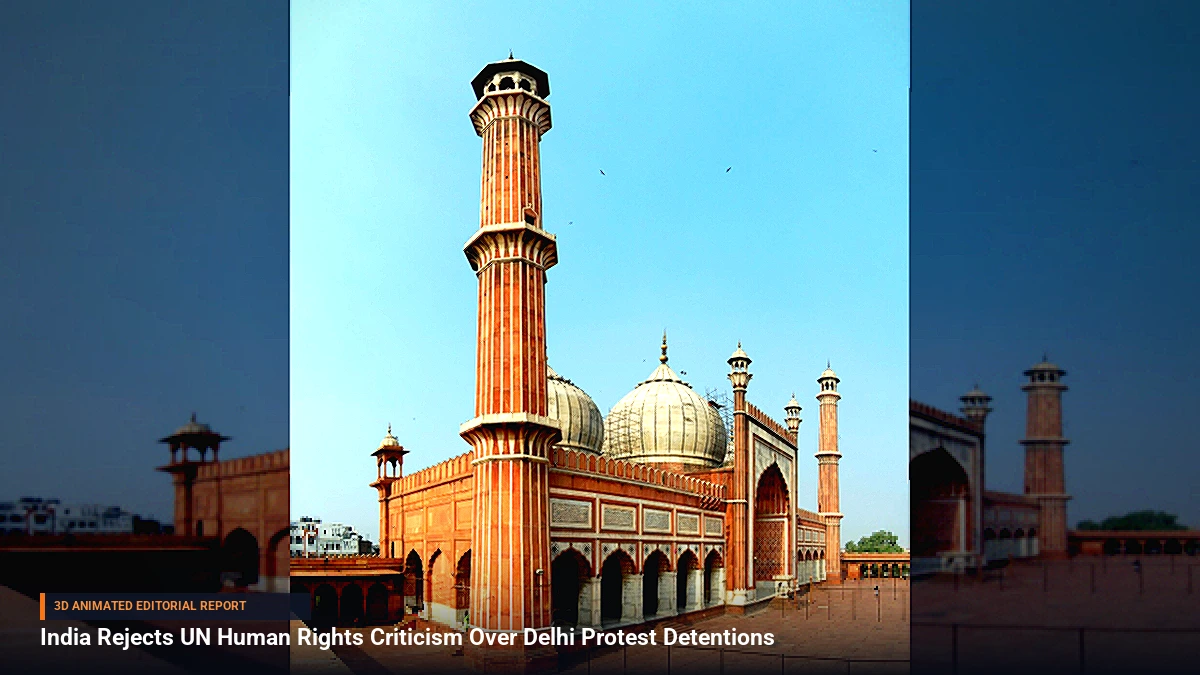
- India's Rebuke: New Delhi firmly rejected the UN commentary, labeling it unwarranted interference and criticizing the body's focus.
- Judicial Stance: CJI Surya Kant officially declined a high-profile meeting requested by INDIA bloc leaders.
- Protest Backlash: The CJP group vowed to scale up demonstrations nationwide, emphasizing that their constitutional rights remain intact.
- State Actions: Authorities defended the measures, citing pre-emptive actions against alleged plots to incite public disorder.
Impact, Analysis & Global/National Reactions
The incident has triggered a fierce diplomatic spat between the Indian government and international human rights monitors. New Delhi posted a strongly worded rebuttal via official diplomatic channels, asserting that the OHCHR’s remarks were entirely misplaced and suggesting the international body should instead direct its attention toward large-scale civil unrest occurring elsewhere globally.
Domestically, the refusal of the Chief Justice to meet with opposition leaders has added fuel to an already volatile political firestorm. Opposition figures argue that the executive branch is overstepping foundational democratic norms, pointing to the sundown detentions of women protesters at Rajiv Chowk as a direct contravention of established Supreme Court safeguards and protocols.
What's Next: Looking Ahead
As the CJP prepares to organize synchronized nationwide protests, civil society organizations are monitoring the state's posture toward public assembly. The political opposition is expected to continue its campaign strategy, pivoting toward direct confrontation with both executive policies and institutional responses. Legal challenges regarding the validity of the detentions and the conditions attached to the release of prominent activists are anticipated to reach lower courts in the coming days, testing the resilience of constitutional protections in the capital.
Be the first to comment
Start a useful conversation around this story.