
What Happened: The Core Developments
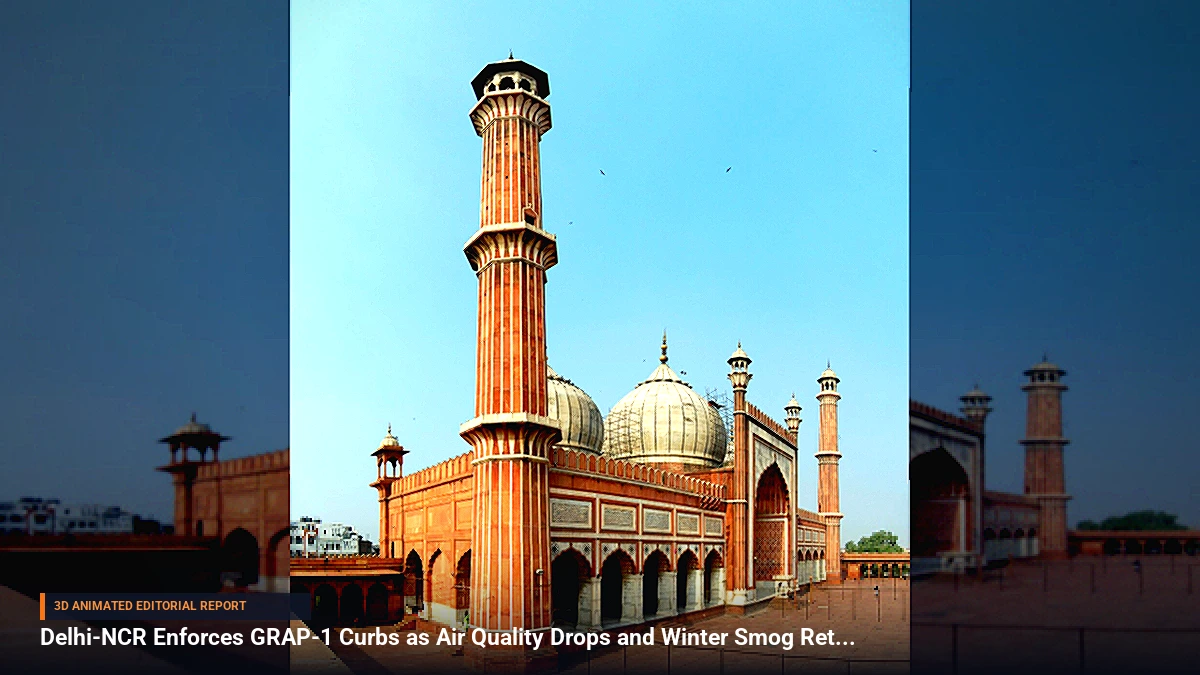
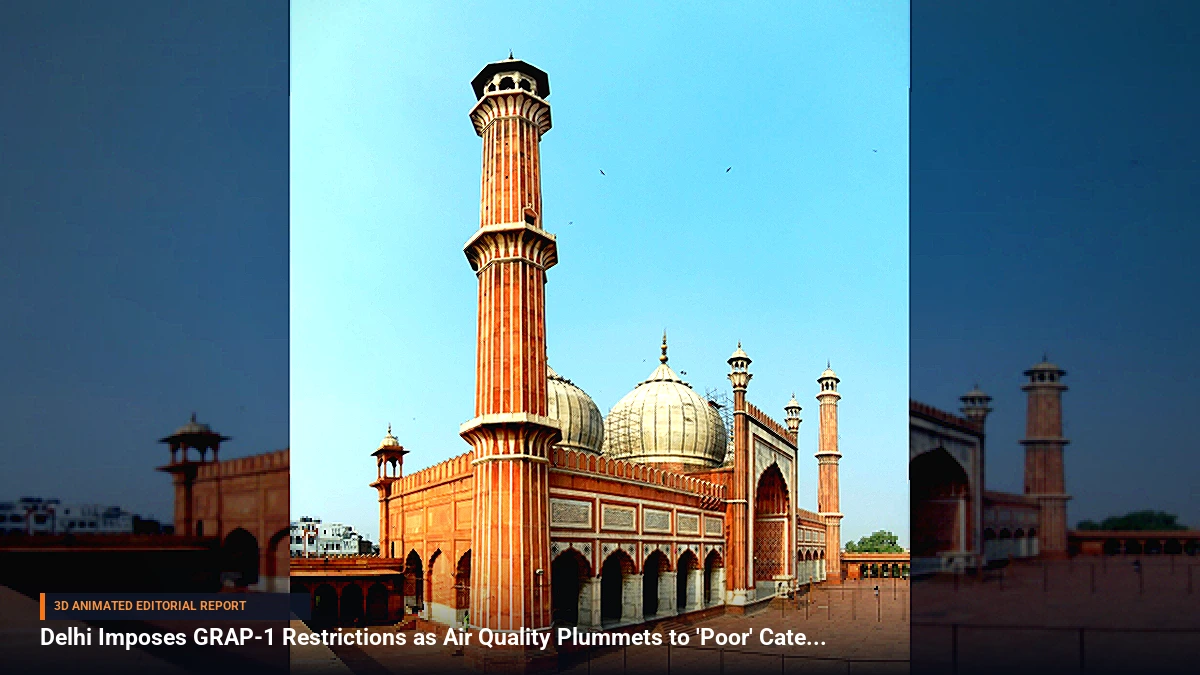
The air quality index (AQI) across the National Capital Region (NCR) experienced a sharp decline, shifting into the 'poor' category and triggering the immediate enforcement of anti-pollution protocols under the Graded Response Action Plan Phase 1 (GRAP-1). Alongside the worsening atmospheric conditions, the region recorded its coldest night of the month so far, with temperatures dropping to 17.1 degrees Celsius.
Concurrently, satellite data and meteorological assessments indicate that the share of regional farm fires contributing to Delhi's ambient PM2.5 levels has climbed to a season high. Experts warn that unfavorable wind patterns and dipping temperatures are likely to intensify pollutant entrapment in the lower atmosphere over the coming days.
Background & Key Context
The annual deterioration of air quality in northern India during the post-monsoon period is a persistent environmental challenge driven by a combination of regional topography, meteorological shifts, and human activity. Every autumn, a drop in ambient temperatures and a reversal in wind direction coincide with the harvesting cycle in neighboring agricultural states. Farmers clear paddy stubble using controlled fires, releasing vast amounts of smoke and particulate matter into the atmosphere.
As cold air traps these pollutants near the ground—a meteorological phenomenon known as thermal inversion—the National Capital Region routinely transforms into a basin of toxic smog. In response to this predictable seasonal crisis, regulatory bodies established the Graded Response Action Plan (GRAP), a tiered emergency framework designed to progressively restrict emissions and anthropogenic dust as air quality thresholds are breached.
Key Takeaways
- GRAP-1 Activation: Authorities have initiated Stage 1 pollution response measures across Delhi-NCR following the drop in air quality to the 'poor' bracket.
- Rising Stubble Burning: The contribution of agricultural residue burning to Delhi's PM2.5 load has hit a new seasonal high, with projections indicating further escalation.
- Chilly Nights: Delhi recorded its lowest minimum temperature of the month at 17.1 degrees Celsius, aiding the formation of morning surface-level smog.
- Toxic Mornings: Early morning commuters across the metropolitan area are encountering severely reduced visibility and elevated pollutant concentrations.
- Preventive Mandates: GRAP-1 enforces strict dust mitigation at construction sites, bans open waste burning, and increases monitoring of industrial emissions and vehicular pollution.
Impact, Analysis & Global/National Reactions
The premature return of toxic air has renewed debates over the efficacy of long-term agricultural transition programs and inter-state coordination in northern India. Environmental analysts point out that despite multi-year investments in alternative crop residue management machinery, socio-economic pressures continue to drive farmers toward stubble burning.
Public health experts have raised concerns regarding the cumulative respiratory and cardiovascular risks posed to vulnerable populations, particularly children, the elderly, and outdoor laborers. Civic agencies and municipal corporations have been instructed to ramp up mechanical road sweeping and water sprinkling to suppress fugitive dust, though critics argue that such reactive measures remain insufficient against large-scale regional transport of pollutants.
What's Next: Looking Ahead
Environmental regulators and meteorological departments will closely monitor wind velocity and direction over the next week to determine whether further escalation to GRAP Phase 2 or higher tiers is warranted. Stakeholders are bracing for a challenging winter season, with policy implementation focusing heavily on strict enforcement of construction norms, deployment of anti-smog guns, and localized traffic management to curb vehicular congestion during peak hours.



Be the first to comment
Start a useful conversation around this story.