
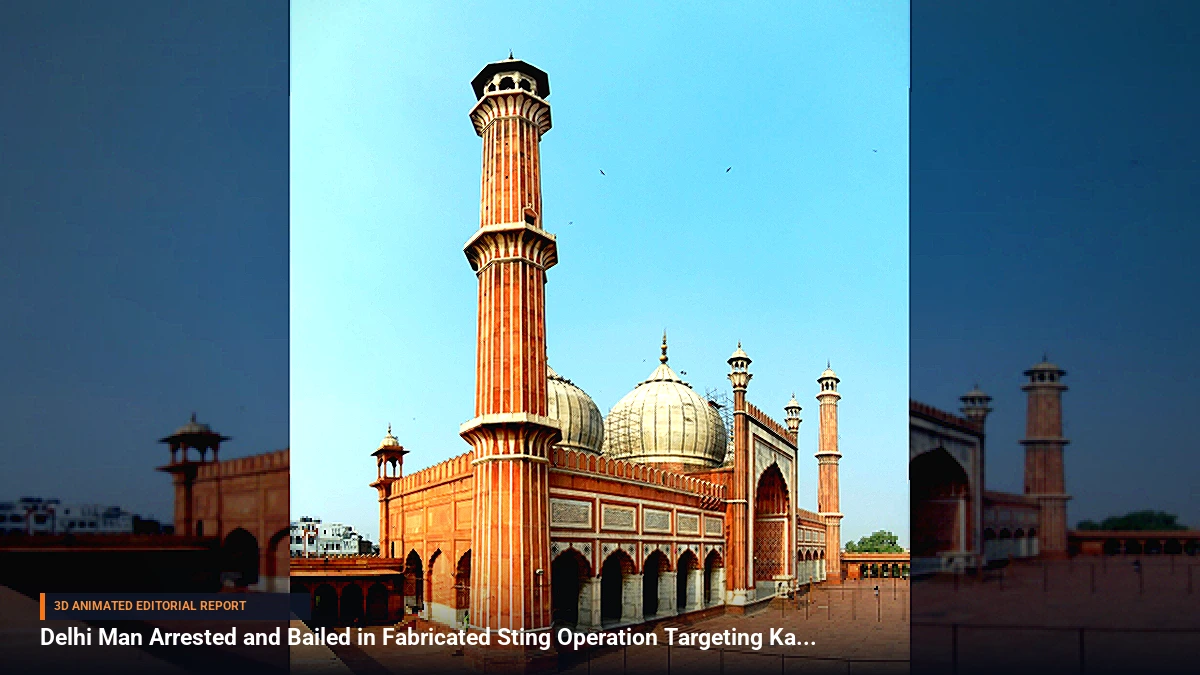
What Happened: The Core Developments
Law enforcement authorities have taken decisive action in an unfolding political scandal involving an alleged sting operation video aimed at Karnataka Chief Minister Siddaramaiah. A Delhi-based individual was taken into custody in connection with the circulating footage, only to be subsequently released on bail as investigations continue. The operation, which has dominated regional and national headlines, has prompted swift pushback from the state leadership and triggered an intense scramble to uncover the masterminds behind the production.
Chief Minister Siddaramaiah forcefully denounced the digital material, categorizing it as entirely concocted. He asserted that the primary objective of the footage was to execute an extortion attempt, black-mail his administration, and deliberately sabotage his public standing. Insisting on a comprehensive and impartial inquiry, the Chief Minister urged law enforcement to leave no stone unturned in unmasking every participant involved in the conspiracy.
Background & Key Context
Sting operations and politically motivated leaks have frequently played a disruptive role in Indian regional politics, but this episode stands out due to the immediate fractures it exposed within both opposition ranks and the ruling party. As investigative agencies began tracing the digital footprints of the video, Karnataka's political landscape transformed into a theater of mutual recriminations.
Adding fuel to the fire, prominent political figures were quick to point fingers. Janata Dal (Secular) leader H.D. Kumaraswamy alleged that senior Congress figures, specifically pointing to D.K. Shivakumar and Priyank Kharge, were actively plotting to frame him within the complex web of the sting operation. Simultaneously, internal dissent broke into the open when Yathindra Siddaramaiah, the Chief Minister’s son and a political figure in his own right, publicly voiced suspicions that internal factions within the Congress party itself may have had a hand in orchestrating the operation against his father. Escalating the matter further, Siddaramaiah explicitly named Kripa Alva and Power TV owner Rakesh Shetty, dragging media and civil actors directly into the widening controversy.
Key Takeaways
- Arrest and Bail: A Delhi-based man was arrested by authorities regarding the contested sting video targeting Karnataka's Chief Minister, but secured a release on bail shortly after.
- Official Denial: CM Siddaramaiah dismissed the footage as entirely fabricated, labeling it a malicious blackmail attempt designed to smear his political reputation.
- Cross-Party Counter-Claims: H.D. Kumaraswamy alleged a conspiracy by D.K. Shivakumar and Priyank Kharge to manipulate the situation for political leverage.
- Internal Party Strife: Yathindra Siddaramaiah openly suggested that elements within the Congress party might be internal saboteurs behind the operation.
- Named Figures: The Chief Minister formally brought individuals into the public spotlight, including Kripa Alva and Power TV owner Rakesh Shetty.
- Call for Investigation: State leadership continues to demand an unvarnished, transparent probe to decode the digital trail and hold the orchestrators accountable.
Impact, Analysis & Global/National Reactions
The ripple effects of the alleged sting operation extend far beyond local state politics, shining a harsh light on the weaponization of digital media in contemporary democratic contests. Analysts note that the incident underscores the vulnerability of high-profile political figures to targeted disinformation campaigns, manufactured audio-visual leaks, and coordinated smear tactics.
By dragging key cabinet members, opposition veterans, and media proprietors into the fray, the controversy has paralyzed constructive legislative focus, shifting the political axis toward internal survival and damage control. Observers emphasize that when ruling party members begin publicly accusing their own colleagues of clandestine plots, it signals deep institutional friction that can severely erode voter trust. Civil society watchdogs have called for stricter regulatory frameworks governing political intelligence and digital verification to prevent unverified content from destabilizing democratic governance.
What's Next: Looking Ahead
As the legal proceedings unfold, all eyes remain fixed on the investigative agencies handling the case. The immediate priority for cybercrime units will be to perform forensic examinations of the digital devices seized from the arrested Delhi resident and trace the financial and communication trails leading to the creation and distribution of the video.
Political stakeholders will be watching closely to see whether formal charges are expanded to include other named individuals, such as Rakesh Shetty and Kripa Alva. Furthermore, the internal rift within the ruling party requires careful political management to prevent further defections or public spats ahead of upcoming legislative sessions. Ultimately, the long-term fallout of this episode will depend on the credibility and transparency of the final police report, which must definitively separate political posturing from verified criminal culpability.


Be the first to comment
Start a useful conversation around this story.