

What Happened: The Core Developments
New Delhi witnessed severe civil disruption as authorities deployed a stringent security lockdown across the capital to thwart planned demonstrations targeting the election commission. Law enforcement agencies moved swiftly to preemptively neutralize the mobilization, resulting in the detention of thousands of individuals.
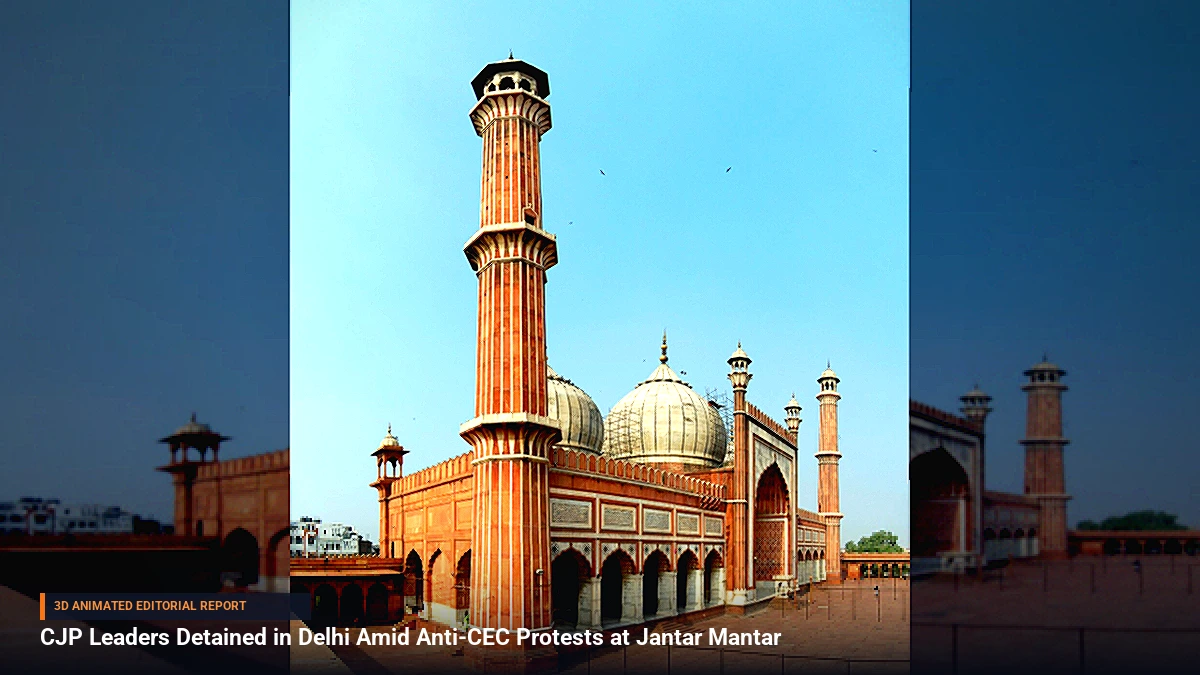
Despite the intense security presence and sweeping containment measures, civil rights groups and activist coalitions successfully organized a demonstration at Jantar Mantar. Prominent figures, including activists Saurav Das and Ashutosh Ranka, were reportedly taken into police custody during the mobilization. Members of the coalition, colloquially linked to the freed 'cockroach' group, used the platform to signal their defiance against the sweeping state measures, vowing to press forward with their campaign.
Background & Key Context
The friction between civil society organizations and authorities in New Delhi reflects deep-seated anxieties over democratic norms, electoral integrity, and free speech. Jantar Mantar has long served as the symbolic epicenter of public dissent and political protests in the Indian capital. However, recent administrative shifts—including the de-notification of Jantar Mantar as a designated protest zone and the introduction of alternative, highly regulated venues—have severely restricted traditional avenues for public grievance.
Tensions peaked following widespread public scrutiny over election administration and institutional independence. Opposition parties and advocacy networks, such as Citizens for Justice and Peace (CJP), have repeatedly raised alarms regarding shrinking civic spaces, accusing the administration of utilizing heavy-handed policing tactics to suppress legitimate political expression.
Key Takeaways
- Massive Security Lockdown: Indian authorities deployed thousands of security personnel, effectively locking down key areas of New Delhi to prevent large-scale gatherings.
- Thousands Detained: Police operations resulted in the widespread detention of protesters, activists, and civic leaders across the capital.
- Jantar Mantar Demonstration: Despite state restrictions, activists assembled at the historic protest site, with notable figures like Saurav Das and Ashutosh Ranka reportedly detained.
- Defiant Resistance: Leaders of the mobilizing groups asserted that state crackdowns would not silence their movement, promising sustained opposition.
- Shrinking Civic Space: The confrontation underscores a broader ongoing struggle over the regulation of dissent and the designated spaces permitted for public demonstrations in India.
Impact, Analysis & Global/National Reactions
The aggressive suppression of the demonstration has triggered sharp rebukes from opposition leaders and civil rights organizations. Critics argue that the heavy police mobilization reflects deep institutional insecurity and an escalating intolerance toward peaceful political dissent. Human rights advocates emphasize that preemptively detaining thousands of citizens under the guise of maintaining public order erodes foundational democratic liberties.
Conversely, supporters of the security measures maintain that stringent crowd-control protocols are necessary to prevent potential civil unrest and ensure public safety in a densely populated metropolitan hub. Government defenders argue that unauthorized assemblies disrupt essential public services and threaten municipal order, necessitating firm intervention by law enforcement.
What's Next: Looking Ahead
As civil liberties organizations prepare legal challenges against the mass detentions and the de-notification of historical protest venues, political friction is expected to intensify. Observers will closely monitor upcoming judicial reviews regarding the legality of the capital's emergency lockdown measures and the broader implications for freedom of assembly in India ahead of future electoral cycles.
Be the first to comment
Start a useful conversation around this story.