
What Happened: The Core Developments
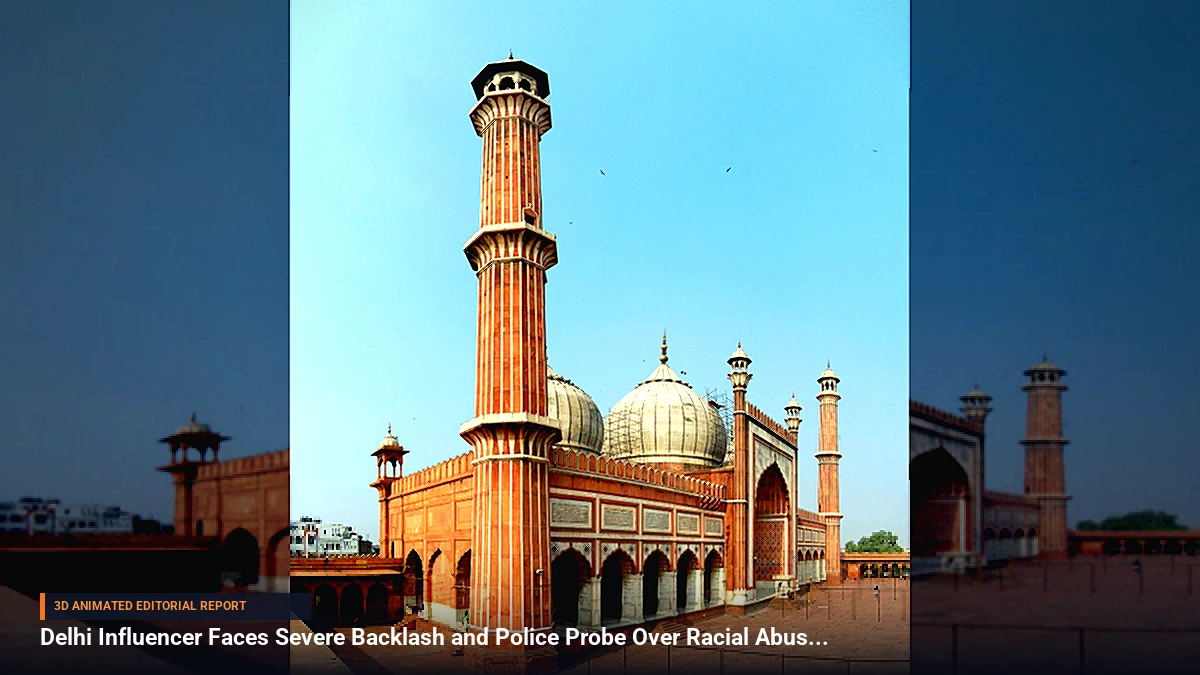
A social media landscape built on engagement and shock value has once again crossed ethical and legal boundaries. A video featuring Delhi-based content creator Amir Shokeen surfaced online, capturing him directing explicitly racially derogatory remarks toward a young man hailing from Tripura. The footage swiftly circulated across multiple social media platforms, triggering widespread condemnation, particularly among communities from India's Northeast.
In response to the viral backlash, the Delhi Police's Intelligence Fusion and Strategic Operations (IFSO) unit officially launched a comprehensive probe into the incident. Authorities are reviewing the digital footprint of the video, assessing potential violations under relevant legal statutes dealing with hate speech, public mischief, and promotion of enmity between different communities.
Faced with mounting public pressure and imminent law enforcement action, Shokeen released a public apology. In his defense, the influencer claimed that the controversial video was entirely "scripted" and intended merely as a "joke." He further argued that he has produced thousands of digital videos previously without intentionally hurting any community.
Background & Key Context
This latest incident is not an isolated occurrence but rather part of a deeply entrenched pattern of discrimination faced by citizens from India’s northeastern states when living, studying, or working in mainland urban centers like Delhi, Bengaluru, and Mumbai. For years, activists and civil society organizations have raised alarms over casual racism, stereotyping, and outright xenophobia directed at individuals from the Northeast.
The rise of hyper-localized, algorithm-driven social media content has further exacerbated this trend. In an aggressive pursuit of views, followers, and monetization, unregulated content creators frequently resort to provocative skits, micro-aggressions, and humiliating interactions under the guise of street pranks or edgy comedy. This dynamic places vulnerable individuals—often students and migrants—in deeply compromising and humiliating positions for digital entertainment.
Key Takeaways
- High-Level Condemnation: Union Minister Kiren Rijiju publicly denounced the creator, labeling his actions "evil" and vowing strict punitive measures.
- Law Enforcement Intervention: The Delhi Police IFSO cyber unit stepped in to investigate the viral content and determine legal culpability.
- The Defense of "Scripted" Comedy: The accused influencer issued an apology, attempting to justify the derogatory content as a scripted joke rather than malicious intent.
- Systemic Issue Highlighted: The controversy re-ignited national debates regarding the persistent normalization of racial bias against individuals from India's Northeast.
- Content Creator Accountability: The incident serves as a stark reminder of the urgent need for ethical boundaries and platform accountability in digital media production.
Impact, Analysis & Global/National Reactions
The gravity of the incident escalated rapidly when high-ranking government officials intervened. Union Minister Kiren Rijiju, a prominent voice representing northeastern interests in national governance, pulled no punches in his public reaction. Rijiju condemned Shokeen's behavior unequivocally, stating that such individuals are "evil" and promising that the perpetrator would face a "hard lesson" to deter similar behavior across digital platforms.
Civil rights advocates and digital safety experts point out that the excuse of a "scripted joke" holds little weight in the face of demonstrable hate speech and public humiliation. Analysts argue that framing racial degradation as entertainment normalizes bigotry, creating a hostile social environment both online and offline. Stakeholders across media networks emphasize that platforms and creators must be held to higher standards of social responsibility, moving beyond reactive apologies to proactive compliance with anti-hate laws.
What's Next: Looking Ahead
As the IFSO unit of the Delhi Police continues its formal investigation, formal charges under applicable criminal provisions could soon follow, depending on the findings of the digital forensics team. Legal experts suggest that this case could potentially set a crucial legal precedent regarding the accountability of digital creators who mask hate speech and harassment behind the shield of scripted comedy or performance art.
Simultaneously, advocacy groups are urging social media giants to enforce stricter content moderation filters regarding regional and racial bias in India. The outcome of this probe will likely influence future regulatory frameworks governing digital creators and influencer conduct across the country.
Be the first to comment
Start a useful conversation around this story.