
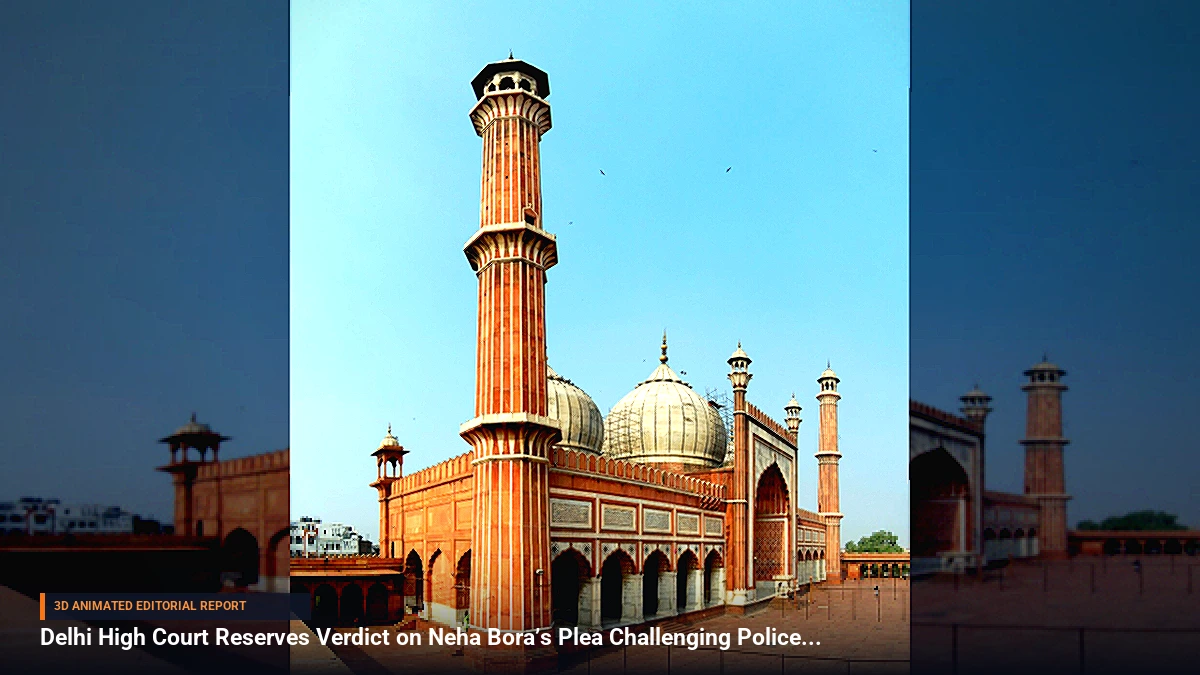
What Happened: The Core Developments
The Delhi High Court has officially reserved its judgment on a petition filed by Neha Bora, who is challenging a preventive 'peace' bond notice issued by law enforcement agencies in the national capital. The legal challenge brings to light critical questions regarding police powers, administrative overreach, and the boundaries of state-mandated preventive measures.
During the hearings, legal arguments centered on the procedural validity and underlying rationale of issuing peace bonds to citizens engaging in public advocacy and demonstrations. Bora’s legal counsel emphasized that the notice infringes upon fundamental civil liberties and misuses statutory preventive provisions designed for maintaining public order.
Background & Key Context
Preventive detention and peace bond notices, often rooted in colonial-era legal frameworks, have long been a subject of intense debate in India's legal landscape. Law enforcement agencies frequently utilize these provisions as a mechanism to preemptively manage potential law-and-order disruptions during periods of heightened political tension or public protests.
In this specific case, the controversy gained traction amidst public demonstrations, including anti-CEC protests and civic campaigns. Bora's legal challenge calls into question the arbitrary application of such administrative instruments against activists and citizens expressing dissent against established authorities.
Key Takeaways
- Verdict Reserved: The Delhi High Court has concluded hearing arguments and has kept its final order reserved on Neha Bora’s petition.
- Core Challenge: The petition directly targets the legality and procedural propriety of the 'peace' bond notice issued by Delhi Police.
- Flag Hoisting Stance: Bora contended before the court that citizens do not require prior permission or state authorization to hoist the national flag.
- Democratic Rights: The defense strongly argued that advocating for or seeking a regime change is a legitimate, constitutionally protected aspect of a functioning democracy.
- Broader Implications: The upcoming ruling is expected to set a significant precedent regarding the limits of police powers and the protection of free speech in India.
Impact, Analysis & Global/National Reactions
The case has ignited nationwide discussions among legal experts, human rights organizations, and civil society groups regarding the shrinking space for dissent and the routine employment of preventive legal mechanisms. Constitutional analysts point out that using sections intended for preventing breaches of peace against routine political expression poses a direct threat to democratic norms.
"There is nothing fundamentally wrong with seeking regime change in a robust democracy," legal representatives argued during the court sessions, framing the state's intervention as an overzealous attempt to curb lawful political discourse. Civil rights advocates have continuously urged the judiciary to establish stricter guidelines to curb the discretionary and potentially unconstitutional use of peace bonds by law enforcement.
What's Next: Looking Ahead
All eyes are now turned toward the Delhi High Court as stakeholders await the pronouncement of the final verdict. The forthcoming judgment is anticipated to clarify the constitutional thresholds for issuing preventive notices and provide clearer legal safeguards for activists and citizens exercising their fundamental rights to free expression and peaceful assembly in the capital.



Be the first to comment
Start a useful conversation around this story.