
What Happened: The Core Developments
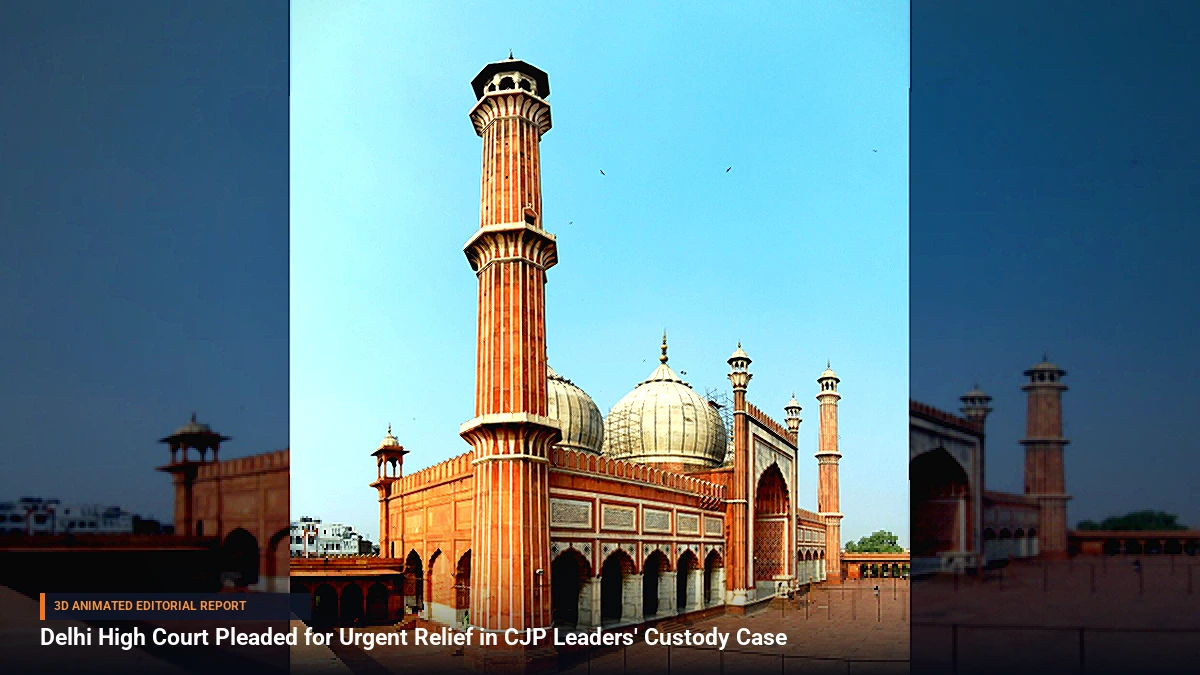
Legal representatives for the Citizens for Justice and Peace (CJP) have approached the Delhi High Court, filing an application for an urgent hearing to challenge the ongoing detention of CJP co-conveners Saurav Das and Ashutosh Ranka. This legal maneuver follows a lower court's decision to prolong the judicial custody of both activists, keeping them behind bars despite ongoing defenses mounted by their legal counsel.
The central grievance revolves around the legality of the remand orders issued by local judicial authorities, which civil liberties advocates argue fail to meet standard procedural safeguards. The CJP leadership maintains that the continuous extension of custody violates fundamental principles of personal liberty, prompting the push for a swift intervention from the High Court.
Background & Key Context
The arrests and subsequent custody extensions of Saurav Das and Ashutosh Ranka have drawn national attention, shining a sharp spotlight on the functioning of Special Executive Magistrates within the Indian legal framework. Unlike traditional judicial magistrates who operate strictly under the judiciary, Special Executive Magistrates often exercise preventive detention and executive policing powers derived from administrative statutes.
Critics and legal experts have increasingly questioned the breadth of discretion vested in these quasi-judicial officers. The ongoing case has catalyzed wider discussions surrounding the constitutional validity of preventive actions taken without robust judicial oversight, reviving long-standing debates about state overreach and the protection of dissenting voices in civil society.
Key Takeaways
- Urgent Plea Filed: CJP has formally moved the Delhi High Court to contest the extended judicial custody of Saurav Das and Ashutosh Ranka.
- Custody Extended: A lower Delhi court previously ordered an extension of the co-conveners' remand, keeping them confined.
- Magisterial Powers Under Scrutiny: The case has triggered intense public and legal debate regarding the authority and operational transparency of Special Executive Magistrates.
- Civil Liberties Concerns: Human rights advocates argue that repeated remand extensions without substantive criminal charges undermine constitutional guarantees of personal freedom.
Impact, Analysis & Global/National Reactions
The developments in Delhi have resonated far beyond the courtroom, drawing sharp commentary from civil rights organizations, legal scholars, and public intellectuals. Human rights defenders have characterized the detention as part of an alarming trend where administrative mechanisms are utilized to stifle civic engagement and dissent.
Legal analysts note that the High Court proceedings could establish a crucial precedent concerning the limits of executive magisterial powers. If the High Court intervenes, it could rein in the arbitrary use of preventive custody provisions. Conversely, a dismissal might embolden authorities to utilize similar administrative detentions more frequently against activists and organizers.
What's Next: Looking Ahead
All eyes are now turned toward the Delhi High Court as it decides whether to grant an out-of-turn, urgent hearing for the petition. The outcome of this preliminary plea will determine how swiftly the bench reviews the substantive arguments surrounding the legality of Das and Ranka's detention.
Stakeholders and legal observers await detailed observations from the High Court regarding the exercise of powers by Special Executive Magistrates. As civil society groups mobilize support, the upcoming hearings promise to be a critical test of judicial checks and balances against executive actions in the capital.




Be the first to comment
Start a useful conversation around this story.